
 E-Paper



We have the addiction medicine, but seem to lack the will
This article is authored by Dr Navin Saxena, chairman, Rusan Pharma.

 Prefer HTon Google


In 1981, I was a young research chemist, and my management at a major pharmaceutical company based in Mumbai handed me a problem India had no answer to: Synthesising buprenorphine, a medicine for severe pain, here for the first time. In 1994, after clinical trials we conducted at Rusan Pharma, it was approved for treating drug addiction in India.
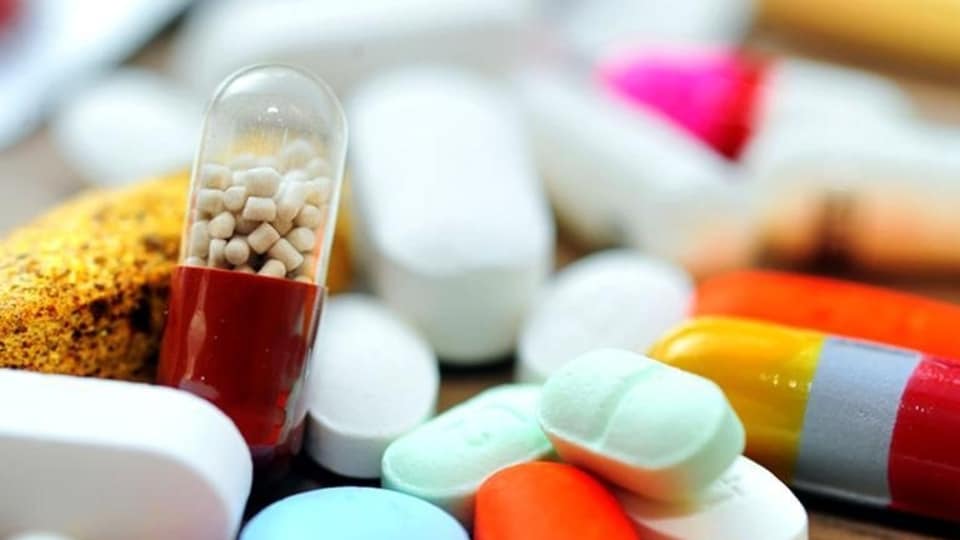
Buprenorphine lets someone who is a victim of addiction stop abusing various forms of illicit drugs. Prevention of drug dependence in injecting drug users will also curbs the spread of HIV and hepatitis C, and will give people a chance towards a normal, drug-free life. It took us years to bring this quality medicine on a commercial scale needed to meet the growing cases of addiction across India. I believed that once the medicine existed, patients would find it. Four decades on, I see that was only half the task.
The rest depended on how India saw addiction. Rather looking at the patients as victims of addiction, they were perceived as criminals. For too long, it was a moral failing or a police matter, rarely seen as a mental health issue. The problem grew into an epidemic while treatment waited. We should have started much earlier.
Picture a 24-year-old on heroin for the past five years and has sold his mother's gold and his motorcycle to keep going. Last month, he decided to stop. The nearest clinic for treatment of addiction is two hours away by bus. Within two weeks, he is back to abusing drugs and falling prey to the vicious circle of addiction.
His family pays first, in debt and violence at home. Then society pays, through courts, prisons and hospitals. Shared needles spread HIV and hepatitis C; among people who inject drugs, HIV rose from 6.26 to 9.03 percent between 2016 and 2021. Addiction also raises the risk of TB and makes the disease harder to treat.
Patients like him are not rare. The last national survey found about 77 lakh Indians need clinical help for opioids. Another 5.7 crore drink at harmful or dependent levels of alcohol, and only one in 38 alcohol-dependent people reports any treatment. That is roughly six crore people, before counting the 26.7 crore adults who use tobacco.
The Nasha Mukt Bharat Abhiyaan has spread awareness to over 29 crore people, and may have given the young man struggling with addiction, the courage to seek help. What it could not provide him was a nearby clinic and high-quality, effective medication available. About 54,000 people were on opioid substitution therapy in 2023-24, under one percent of those who need it. Global agencies want 40 in every 100 people who inject drugs on such treatment. India reaches only about 6%.
Someone like this young 24-year old boy does not need another survey or lecture. He needs a doctor in his district, trained at any one of the premiere institutes of India with quality and efficacious medicine with psycological interventions, a slow, supervised taper and a job to return to.
The Centre's three-year plan to triple de-addiction centres to 1,751 by 2029 is a good start. A problem this large needs serious public funding, with government hospitals and private partners delivering treatment together. India has done this before, lifting TB treatment coverage from 53 to over 92% in under a decade. Addiction deserves the same political and social will.
Buprenorphine - the medicine I worked on in 1981 is made in India today, so are the treatments for alcohol and tobacco dependence. Too few patients receive it to make a difference, and the young man is not one of them. We require support from the government; it should scale-up and support wholistic addiction treatment with the same kind of urgency it gave during the Covid era.
(The views expressed are personal)
This article is authored by Dr Navin Saxena, chairman, Rusan Pharma.


