
 E-Paper



Why everyone is suddenly talking about parasocial bonds
First coined in 1956, the term is now everywhere, powered by creator culture, obsessive fandoms and even a dictionary upgrade.

 Prefer HTon Google


The word ‘Parasocial’ captures a distinctly modern kind of connection: when you feel close to someone you’ve never actually met. The term was coined in 1956 by sociologists Donald Horton and R. Richard Wohl to describe the pseudo-relationships television viewers developed with on-screen personalities.
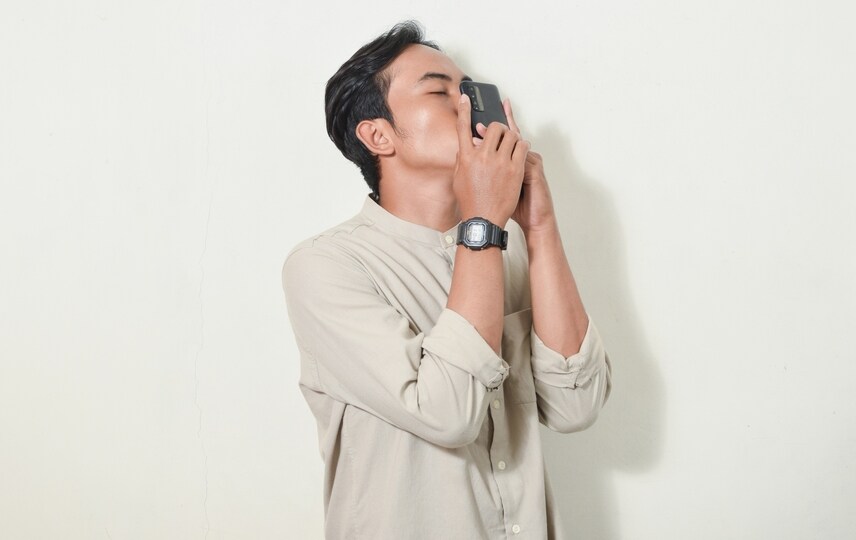
Over the past decade, the phenomenon has shifted from academic study into everyday life as influencers, streamers and AI companions create steady and intimate channels of contact. The Cambridge Dictionary declared “parasocial” as its Word of the Year, noting that lookups and public conversation about one-sided emotional bonds surged across news and social platforms.
That surge began with a spike in interest earlier this year, when popular YouTuber IShowSpeed publicly blocked a fan who had described themselves as his “number one parasocial,” an incident that reignited debate about fan boundaries and online intimacy.
High-profile moments like Taylor Swift and Travis Kelce’s 2025 engagement show how millions emotionally invest in celebrity milestones from afar online and in news cycles.
Parasocial ties can be benign, like fans finding meaning in songs, podcasts or characters, but they can also distort expectations of reciprocity and privacy when attachment becomes intense. The trend now stretches beyond celebrities to AI chatbots and virtual influencers, complicating how people form trust and seek care online.
The linguistic moment is part of a wider cultural shift: Cambridge’s 2025 updates also added slang and internet-born terms such as “skibidi,” “delulu”, and “tradwife,” reflecting how social platforms reshape both language and relationships.
Parasocial relationships are not new, but their scale and intimacy are changing. As public life migrates into social media feeds, the old boundary between spectator and friend is fraying, inviting fresh questions about relationships when they run one way.


