


ICC Champions Trophy: On seam-friendly pitches, speed check for the spinners
Spinners have a restricted role in English conditions where the ICC Champions Trophy 2017 is being played, but even their small contributions can have an impact. That means his job is to not just restrict, but take wickets too.

 Prefer HTon Google


It comes as no surprise fast bowlers are enjoying success in the ICC Champions Trophy 2017, taking most of the wickets. For a pacer, bowling in helpful English conditions means spells without tiring while he can exploit the lateral movement and bounce.
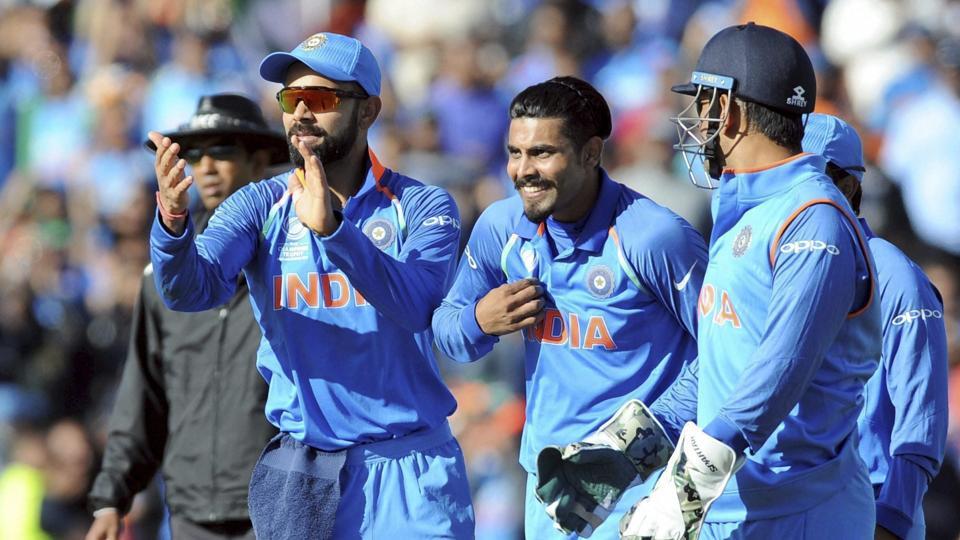
Spinners have a restricted role in these conditions, but even their small contributions can have an impact. That means his job is to not just restrict, but take wickets too.
Follow | India vs Sri Lanka : ICC Champions Trophy 2017 - MATCH BLOG
The First Glimpse
The first six games in the ICC Champions Trophy have set the trend. The tournament opener between Bangladesh and England saw spinners fail to deliver on both fronts.
England off-spinner Moeen Ali went for five runs an over without taking a wicket, and Bangladesh cruised in the middle overs to reach 305. But Bangladesh left-arm spinner Shakib Al Hasan too conceded 7.75 runs an over, and England won easily.
When spinners struck
Sri Lanka leg-spinner Seekkuge Prasanna returned 1/72 in 10 overs as South Africa made 299. However, SA leg-spinner Imran Tahir used his variations brilliantly to deal telling blows, picking 4/27 in eight overs.
Read | ICC Champions Trophy: India’s semis chances and Group B’s interesting scenario
India’s Ravindra Jadeja played his part, taking two important wickets in the middle overs for the big win over Pakistan, whose left-arm spinner Imad Wasim got hit.
Aussie leggie Adam Zampa broke Bangladesh’s momentum with two crucial wickets in the middle overs, to trigger a collapse and let the pacers take charge.
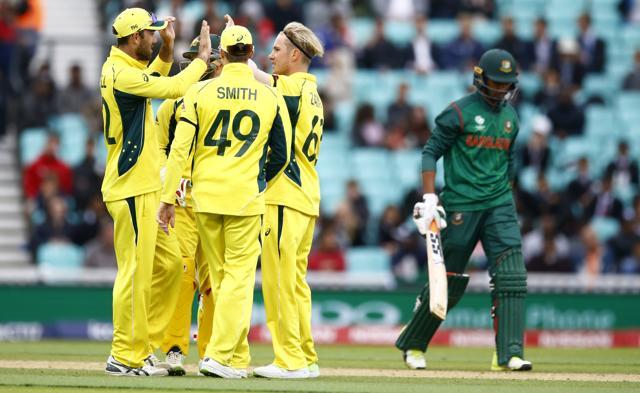
On Tuesday, England leg-spinner Adil Rashid’s two wickets hurt New Zealand’s chances in a tough chase. Kiwi left-arm Mitchell Santner struggled on the other hand.
Exploiting the bounce
Unlike in Twenty20 cricket, where going for under six runs an over is regarded as success for a bowler, the 50-over format demands a lot more. To be successful in conditions where the ball breaks far less, a spinner will have to exploit the bounce. While varying the pace is the mantra for good batting surfaces, changing the trajectory is crucial to keep the batsmen guessing.
Read | Pakistan shock South Africa, keep ICC Champions Trophy semis hopes alive
South Africa left-arm spinner Keshav Maharaj showed how to be effective in the English summer. Before the Champions Trophy, SA played England in a ODI series, which the hosts won 2-1.
In the third and the final game, Maharaj foxed Jonny Bairstow with a flighted delivery, and the batsman, resurrecting England after a batting collapse, was out for 51. The moment Bairstow stepped out, Maharaj reduced the speed and got the ball to dip. It didn’t turn, but bounced after pitching, deceiving Bairstow to have him stumped. He also had Jake Ball and Steven Finn caught.
Maharaj’s speed variations worked wonders. In the second ODI, he was hit for 72 and England scored 330 to win. He bowled between 88-92 kph in the second game, but brought it down to 75-80 kph in the last game to great effect.
Jadeja thrives on dip
Of late, England pitches have got better and batsmen have found it easy to hit through the line. But Maharaj found a way to pick wickets while staying economical.
In the Champions Trophy, while spinners such as Jadeja and Tahir have not found it easy to drastically reduce the speed of their deliveries, even minimal dip has helped. Against Pakistan, Jadeja was hit for six by Shoaib Malik off a 99 kph delivery.
Soon after, Mohammed Hafeez mistimed a sweep off Jadeja to be caught at deep square leg, and the delivery was clocked at 94 kph.
Jadeja slowing down the delivery helped the ball jump on a middle-stump line. English pitches have helped bowlers get bounce from the good length spot. Pakistan opener Azhar Ali too fell the same way off Jadeja, turning the game India’s way.
However, Santner and Shakib have found the going tough. The Kiwi tweaker, despite a high-arm action, has focused more on bowling flatter. It automatically increases the speed, and Santner often pitched it fuller. Joe Root stepped out every time he added yards to his delivery, lofting him for boundaries. Shakib too was given the same treatment.
Slow and steady
But when Santner bowled slower, the ball jumped on Root and the England batsman had to defend. Santner didn’t seem to get the clue though.
It’s vital a spinner’s economy rate stays under four an over, or at best five. India’s 2013 Champions Trophy win was made possible due to Jadeja and R Ashwin going for less than four runs per over. Even if bowlers go for five an over -- batsmen used to T20 cricket have more shots for a delivery -- if a spinner concedes 25-30 runs less, the total could be pegged below 300.
In 2013, Jadeja and Ashwin shared 20 wickets in five games, and their spells ensured rival batsmen were kept in check.
With spinners operating in the middle overs, it’s imperative they provide breakthroughs. If they do, the opposition will struggle to maintain the run-rate. But if they leak runs, a 300-plus score is inevitable, even if a team has top pacers to bowl in the death overs.


