E-Paper



4 members of B’desh-based terror outfit held in Bhopal
JMB has been linked to several terror attacks in Bangladesh and India. In 2019, the government of India banned the outfit.


Four members of banned terror organisation Jamaat-e-Mujahideen-Bangladesh (JMB) were arrested from two locations in Bhopal on Sunday, the state’s anti-terrorist squad (ATS) said in a statement.
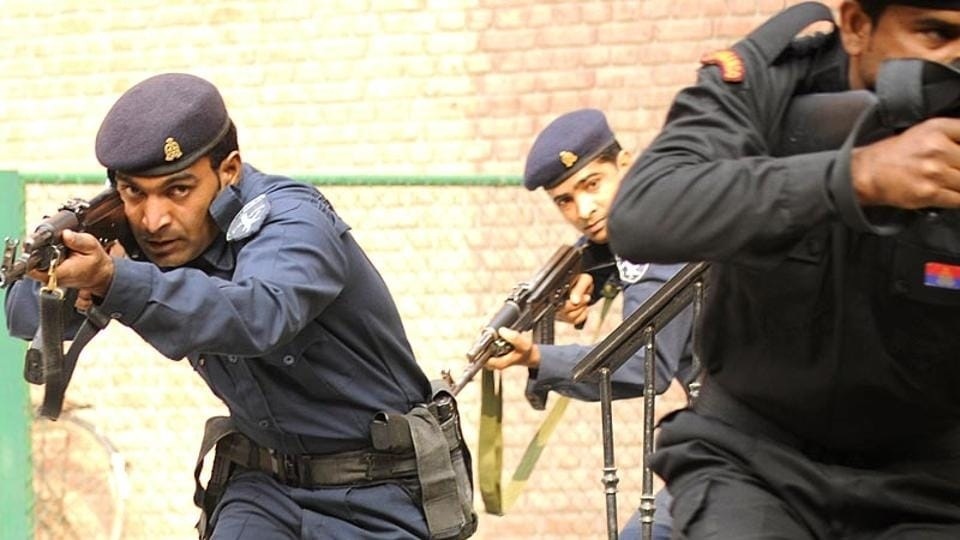
According to the communique, an ATS team carried out raids in Aishbagh and Karond areas in the early hours of Sunday based on a tip-off and made the arrests. The accused were arrested from rented accomodations in both localities.
“The accused, Fazhar Ali, 32, Mohammad Aqueel, 24, Zaduruddin Pathan, 24 and Fazhar Zainul Abdeen, 32, all are residents of Bangladesh. [They] were involved in jihadi activities for which they were preparing a remote-base (sleeper cell) through which, they wanted to do serious anti-national incidents in the future,” read the statement.
A large quantity of jihadi literature, electronic equipment and incriminating documents have been found from the above accused, due to which, it has been known that the accused are active members of Jamaat-e-Mujahideen-Bangladesh (JMB) at the initial stage,” it added.
The accused are being interrogated, said ATS deputy IGP Dr Ashish. Two people, including a resident of Vidisha, have also been detained in connection with the case, he added.
MP home minister Narottam Mishra tweeted: “Those arrested in Bhopal were suspected members of proscribed organisation Jamaat-e-Mujahideen Bangladesh. We have recovered large quantity of jihadi literature, electronic devices and documents from them. An investigation has started and any effort to spread terror will be met with strong action.”
“After the ban, efforts are being made by the members of JMB to set up sleeper cells in different areas of India... The above JMB module is part of one such sleeper cell,” said the ATS release.