E-Paper



46% children suffer from long-Covid post infection, says Lancet study
In the 0-3 years age group 40% of children diagnosed with Covid-19 (478 of 1,194 children) experienced symptoms for longer than two months; in the 4-11 age group, this proportion was 38%; and in the 12-14 group, 46%.

 Prefer HTon Google


Up to 46% children who contract Covid-19 can, like adults, suffer from so-called long-Covid for at least two months after the infection, according to the largest study of long-Covid symptoms in children aged 0-14 years published in The Lancet Child & Adolescent Health on Wednesday.
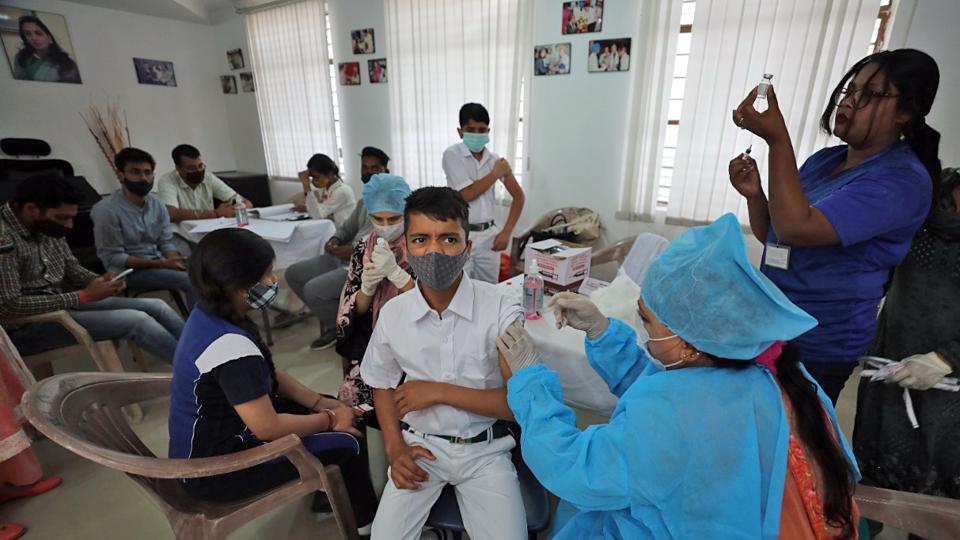
The researchers used national level sampling of children in Denmark and matched Covid positive cases with a control group of children with no prior history of the infection.
In the 0-3 years age group 40% of children diagnosed with Covid-19 (478 of 1,194 children) experienced symptoms for longer than two months; in the 4-11 age group, this proportion was 38%; and in the 12-14 group, 46%.
“The overall aim of our study was to determine the prevalence of long-lasting symptoms in children and infants, alongside quality of life, and absence from school or day care. Further research into the long-term consequences of the pandemic on all children will be important going forwards,” said Selina Kikkenborg Berg, professor, Copenhagen University Hospital, Denmark, in a statement.
The surveys asked participants about the 23 most common symptoms of long-Covid in children, and used the World Health Organization definition of long-Covid as symptoms lasting more than two months. The most commonly reported symptoms among children 0-3 years old were mood swings, rashes, and stomach aches. Among 4-11 years old the most commonly reported symptoms were mood swings, trouble remembering or concentrating, and rashes, and among 12-14 years old, fatigue, mood swings, and trouble remembering or concentrating were the most common symptoms.
According to researchers, most previous studies of long Covid in young people have focussed on adolescents, with infants and toddlers seldom represented.
However, experts still maintain that the disease in children largely is mild.
“Although the study found that symptoms of any kind were slightly more frequent in children who had been infected with SARS-CoV-2…the overall impact on children of having had Covid-19 is probably small, and likely much less than the impact of the indirect effects of the pandemic. For most children with non-specific symptoms following Covid-19, the symptoms are more likely to be caused by something other than Covid-19 and if they are related to Covid-19, they are likely to pass with time,” commented Maren Rytter, University of Copenhagen, Denmark, who is not involved in the study.
Dr JS Bhasin, director and head, department of paediatrics, BLK Hospital, Delhi,admitted that while some children took longer to recover. in general, infections among them have been mild.
“We did see children with long Covid, particularly in previous waves, but these were children who were sick enough to require hospitalisation and took longer to recover. Most had lingering respiratory issues and general malaise. Overall, however, children have been getting milder disease, especially in Omicron wave.”