E-Paper



As Covid cases surge, Assam imposes stricter curbs in urban areas
The chief secreatary said the fresh guidelines will be applicable in urban and neighbouring areas in 5 km radius from the periphery of the municipal corporations, municipal boards and revenue towns and will come into effect from 5am on May 13


A day after deciding against a complete lockdown in the state, Assam government on Wednesday imposed stricter restrictions in urban areas to control the spread of the Covid-19 pandemic.
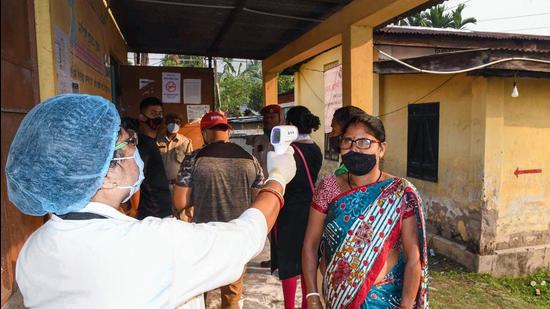
“The measures have been taken in view of significant surge in positivity rate of Covid-19 cases in urban and adjacent areas in the past few days,” chief secretary Jishnu Barua said.
He added that the fresh guidelines will be applicable in urban and neighbouring areas in 5 km radius from the periphery of the municipal corporations, municipal boards and revenue towns and will come into effect from 5am on May 13.
In these areas, all offices will remain closed for 15 days and shops, markets and business establishments will have to down shutters at 1pm on all days. Weekly markets will have to remain shut for 15 days.
Organisations and offices rendering essential services and emergency works and their employees have been exempted from the restrictions.
Also Read | Assam’s new Cabinet decides against total lockdown to tackle Covid-19
Educational institutions will remain closed for the next 15 days. All vehicles other than government ones will be allowed to ply between 5am and 2pm by following an odd-even formula to be decided to by district authorities. However, this restriction shall not apply to private vehicles used for medical emergencies.
There will be a complete ban on movement of all individuals from 2pm to 5am the next day.
Home delivery of food and essential e-commerce goods will be allowed by following all Covid-19 protocols. Restaurants and eateries will have to shut down at 1pm. But hotels and resorts will continue serving in-house guests through room service.
Marriages, religious functions and funeral or last rites will have to be conducted with a maximum of 10 persons. All religious places will be closed for 15 days. All public transport will be allowed to ply with 30% passenger capacity.
“We urge all citizens to take these guidelines seriously and follow them. We won’t hold back on using strict measures with those flouting the restrictions. Besides provisions of disaster management Act and relevant IPC sections, we could even book these people for attempt to murder,” said director general of Assam police Bhaskar Jyoti Mahanta.
On Tuesday, Assam recorded 6,258 new positive cases and 85 deaths --the highest ever figures for both categories in the state. The positivity rate was 9.13% and the number of active patients stood at 39,264. The districts that have recorded a significant surge in Covid-19 cases are Kamrup-Metropolitan (14,403), Dibrugarh (3,866), Kamrup-Rural (3,648) and Nagaon (2,237).