
 E-Paper



Brahmaputra boatmen ferrying people, goods see Bogibeel as loss of livelihood
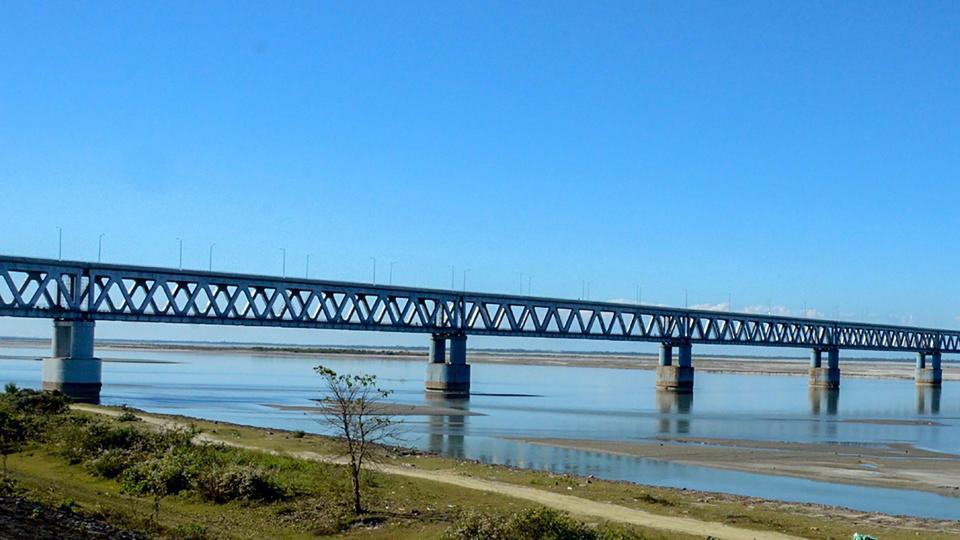
The rail-cum-road Bogibeel Bridge will be inaugurated by Prime Minister Narendra Modi, facilitating quicker movement of vehicles and easy access for the people of Dhemaji to major hospitals, education institutes and the Dibrugarh airport.

 Prefer HTon Google


A group of boatmen making their living by ferrying people and goods across the Brahmaputra in Bogibeel see Bogibeel Bridge, India’s longest railroad bridge, as a loss of livelihood.
Over 40 boats operate from the north and south banks of the Brahmaputra river, ferrying not just people but also two-wheelers and cars. Of these, two are operated by the state government, while the rest are privately owned.
Each boat requires three people to operate.
Come December 25, the rail-cum-road bridge will be inaugurated by Prime Minister Narendra Modi, facilitating quicker movement of vehicles and easy access for the people of Dhemaji to major hospitals, education institutes and the Dibrugarh airport. (Follow live updates here)
The boatmen, those running food stalls and the vehicle operators carrying people to and from the ferry ghats fear that from then on they will have to look for an alternative source of livelihood.
“In a joint family of 12 members, I and my brother operate one boat from Bogibeel ghat. After paying ₹75,000 rent for the boat per annum and spending on the salaries of the boatmen, we earn around ₹30,000 per month,” a private ferry operator at Bogibeel ghat said. It takes 45 minutes to two hours to cross the river on the boats. But once the bridge is open, it will take just 10 minutes, saving not just time, but also money.
Also read: All you need to know about Bogibeel, India’s largest rail-cum-road bridge
While the government-operated boats charge ₹18 per person, ₹800 for small cars and ₹1,000 for SUVs, the privately-operated boats charge way more for ferrying people and vehicles between Bogibeel ghat and Kareng Ghat in Dhemaji district, an official of the state Inland Water Transport Department said.
According to the official, some of the boats will be shifted to other ghats. But the private boat operators fear that they won’t be able to get a similar opportunity and even if they do, it won’t be financially viable.
Asked if some proposals have been made for the affected people, he said, “I haven’t heard of announcement regarding any compensation yet, but the affected people have taken up the issue with political leaders.” “After this bridge becomes operational, the ferry service from this ghat will stop and we have to look for an alternative mode of earning. Luckily, we have some agricultural land. But everyone is not so lucky,” said another boat operator.
The bridge, with two-line railway track on the lower deck and a three-lane road on the top deck, will provide the much-needed connectivity between Dibrugarh in Assam to Pasighat in Arunachal Pradesh. It will also reduce Delhi to Dibrugarh train travel time by about three hours to 34 hours as against 37 hours presently.
It is part of infrastructure projects planned by India to improve logistics along the border in Arunachal Pradesh. This includes the construction of a trans-Arunachal highway on the north bank of the Brahmaputra, and new road and rail links over the mighty river and its major tributaries such as the Dibang, Lohit, Subansiri and Kameng.


