
 E-Paper



Centre bans sale of cows for slaughter at animal markets, restricts cattle trade
Cattle can be sold only to a person who has documents to prove he is an “agriculturist”, the rule says. “Young” and “unfit animals” cannot be sold.


The government has banned the sale of cows and buffaloes for slaughter through animal markets, rules that will hurt millions of poor farmers and squeeze supplies to the country’s meat industry.
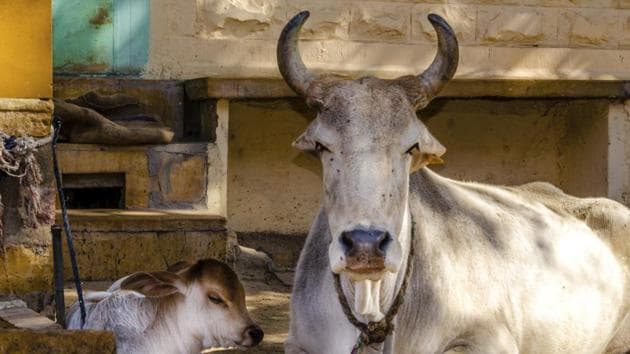
The new rules do not amount to a blanket ban on cattle trade or their slaughter, and license breeding remains legal. But the move will crimp supplies to the country’s Rs 1-lakh crore meat and allied industries that source about 90% of their requirements from animal markets.
The worst hit, however, will be the mostly Muslim meat and leather traders who face mounting violence by increasingly assertive cow vigilante groups. Farmers will also be hit because they will be deprived of a traditional source of income from selling non-milch and ageing cattle.
Read: Centre’s notification banning cow sale for slaughter a fascist move: Kerala
The central regulation for cattle business notified this week allows only farmland owners to trade at animal markets. The notification covers bulls, bullocks, cows, buffaloes, steers, heifers and calves, as well as the camel trade.
To be implemented in the next three months, the move introduces lots of paperwork for cow traders who are mostly poor and illiterate. For instance, before the trade, both seller and buyer will have to produce identity and farmland ownership documents.
After buying a cow, a trader must make five copies of proof of sale and submit them at the local revenue office, the local veterinary doctor in the district of the purchaser, animal market committee, apart from one each for seller and buyer.
“Take an undertaking that the animals are bought for agriculture purposes and not for slaughter,” reads a directive to committees overseeing animal markets in the rule notified under the Prevention of Cruelty to Animals (PCA) Act of 1960 that gives the Centre powers over animal welfare.
The new rules were approved by former environment minister Anil Madhav Dave before his death last week, ministry sources told HT. The ministry drafted the rules on Supreme Court directions aimed at improving condition of animals in these markets.
Considered holy by many Hindus, cows are a sensitive political topic and have gained in importance since Prime Minister Narendra Modi stormed to power in 2014 as several BJP-ruled states enacted strict laws to punish cow slaughter.
But many say the expanding protection for bovines is a proxy war against Dalits and Muslims – as exemplified by the lynching of dairy farmer Pehlu Khan in Rajasthan in April or the flogging of Dalit men in Gujarat’s Una last year. Slaughter of milch cows is banned in all states except in Kerala and in parts of north-east India.
The annual meat business in India is estimated to be around Rs one lakh crore with exports worth Rs 26,303 crore in 2016-17. Uttar Pradesh is the market leader followed by Andhra Pradesh, West Bengal and Telangana. Most states in India hold weekly animal markets and many states operate them near borders to attract traders from neighbouring states.
The meat industry worries it will come to a “standstill”.
“We are shocked,” SN Sabbarwal director general of All India Meat Exporters Association told Hindustan Times. “Only a few slaughter houses get animals from breeders.”
Regulating cattle trade is a state subject but animal welfare is overseen by the Centre. So the environment ministry notified the rules under the animal welfare law but gave district administrations the power to enforce them.
The environment ministry’s eight-page rule also bans setting of animal markets within 50 km of an international border and 25 km of a state border. Taking animal outside the state will require special approval of the state government nominee.
The rule also prescribes about 30 norms for animal welfare in markets, including water, fans, bedding, ramps, non-slippery flooring, veterinary facility and separate enclosure for sick animals. The rule says “young” and “unfit animals” cannot be sold.
No animal market will now be able to run without approval of district animal market committee to be headed by a magistrate and having two representatives of government-approved animal welfare groups.
The regulation makes it mandatory for veterinary inspector to certify proper loading and unloading of animals to ensure they are not cramped inside trucks. The inspector can mark any animal unfit for sale.


