
 E-Paper



Female cheetah Dhatri, ninth to die at MP's Kuno National Park
The national park said, “Today one of the female cheetah - Dhatri (Tiblisi) was found dead. To determine cause of death, post mortem is being conducted.”

 Prefer HTon Google


Ninth cheetah died at the Kuno National Park in Madhya Pradesh on Wednesday, Principal Chief Conservator of Forests (Wildlife) Aseem Srivastava said. With this, five adult cheetahs and four cubs have died so far
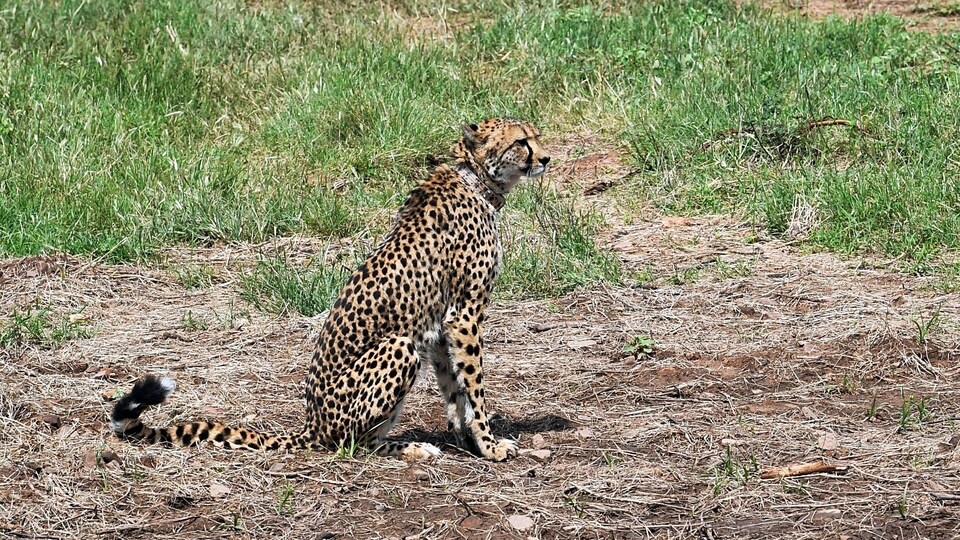
Releasing a press note, the national park said, “Today morning one of the female cheetah - Dhatri (Tiblisi) was found dead. To determine the cause of the death, post mortem is being conducted.”
The recent death was the third this month, leaving the total number of cheetahs now present at the Madhya Pradesh park to 15, including a cub.
As per the press release, out of the 15 cheetahs, seven are male, seven are female and one is a cub. It said 14 of them were kept in bomas at the national park and are “healthy and their health is being regularly monitored by the team comprising of Kuno wildlife veterinarians and the Namibian expert”.
One other female cheetah was still out in open and is being intensively monitored daily by the Namibian expert, Kuno veterinarian and management team and efforts were being made to bring her back to the boma for health examination.
Supreme Court on the issue
The Supreme Court late July, after the death of the eight cheetah, sought the Centre's response on the sequential deaths of cheetahs at the Kuno National Park saying ‘40% of deaths occurring within a year does not reflect a good picture’.
The Central government on Tuesday told the apex court that the death of five adult cheetahs translocated from Africa to India and three cubs occurred due to natural causes and not on account of any “inherent unsuitability” of the Kuno National Park site. Centre also ruled out, at present, the possibility of shifting the 14 surviving cheetahs and a lone cub to an alternate habitat.
Going by the “general scientific awareness” of survival of cheetahs in the wild, the Centre said these carnivores have low survival rate of about 50% in adults even in “non-introduced population”. In the event of being introduced in a habitat, this rate gets “even much lower” which may lead to about 10% survival in cubs, the affidavit said, adding, “Mortalities, though troubling, and in need of redressal and curtailment, are not unduly alarming.”


