
 E-Paper



Chhattisgarh CM Bhupesh Baghel writes to PM Modi, seeks new OBC column in census
In December 2022, Chhattisgarh assembly passed two laws that sought to hike OBC quota to 27% from the present 14% and the SC quota to 13% from 12%

 Prefer HTon Google


RAIPUR: Chhattisgarh chief minister Bhupesh Baghel on Tuesday wrote to Prime Minister Narendra Modi to demand that the Centre conduct the decadal census and that this should have a separate column to collect data about people from the Other Backward Classes (OBCs).
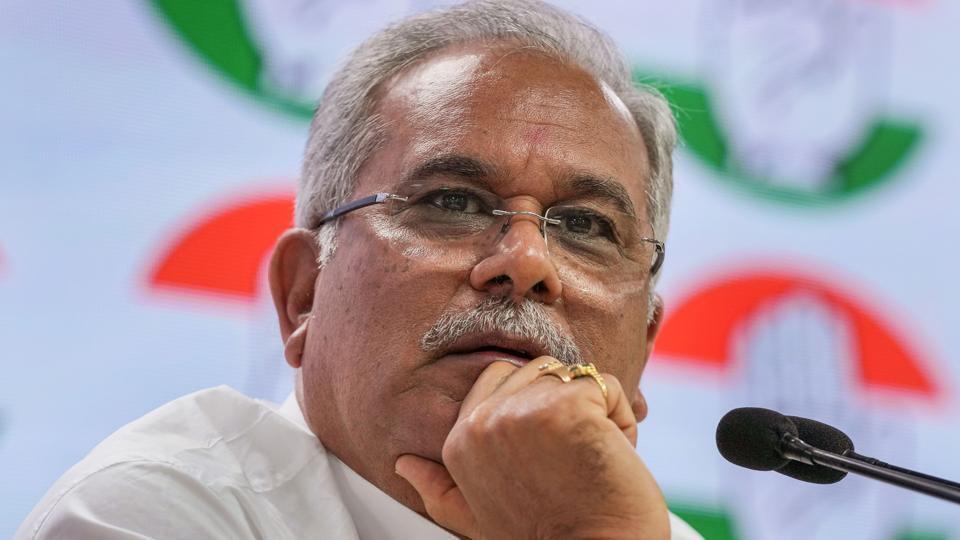
Baghel recalled that he had sought 27% reservation for Chhattisgarh’s OBCs and requested the law on this issue be included in the ninth schedule of the Constitution.
“I am sure you will agree that it is necessary to provide reservation to the large population of OBCs, who have been deprived of socio-political rights for centuries. This decision is necessary to keep up the spirit of equality and social justice provided by the constitution,” the chief minister said in his letter to PM Modi.
Baghel referred to Chhattisgarh Public Service (Scheduled Caste, Scheduled Tribes and Other Backward Classes Reservation) Amendment Act and an amendment bill related to admission in educational institutions that were passed by the assembly during a special session in December last year but were stuck in Raj Bhavan.
The legislation proposed to hike OBC quota to 27% from the present 14% and the SC quota to 13% from 12%, in line with the population of these two communities. It also proposed 4% reservation to the Economically Weaker Section (EWS), taking the total extent of reservation in the state to 76%.
Baghel said that denying constitutional rights to this major part of the population would inevitably upset them.
“It is beyond comprehension that despite all the efforts of the state government, people belonging to other backward classes are not being provided the benefit of 27% reservation,” Baghel said.
-kW0H-U20214218012MgB-250x250%40HT-Web.jpg)


