
 E-Paper



Chhattisgarh releases terms of reference for review of 1200 cases against tribals
The five-point terms of reference all the panel to review cases registered under the Indian Penal Code, National Security Act, Unlawful Activities (Prevention) Act and other Central laws along with the Chhattisgarh Excise Act. However, a senior police official has expressed reservations against the proposed withdrawal.


The judicial review of 1,200 criminal cases against the tribals--registered mostly during BJP government’s 15-year rule-- in Chhattisgarh, moved one step closer with the Bhupesh Baghel government releasing terms of references for the former Supreme Court judge A K Patnaik led committee.
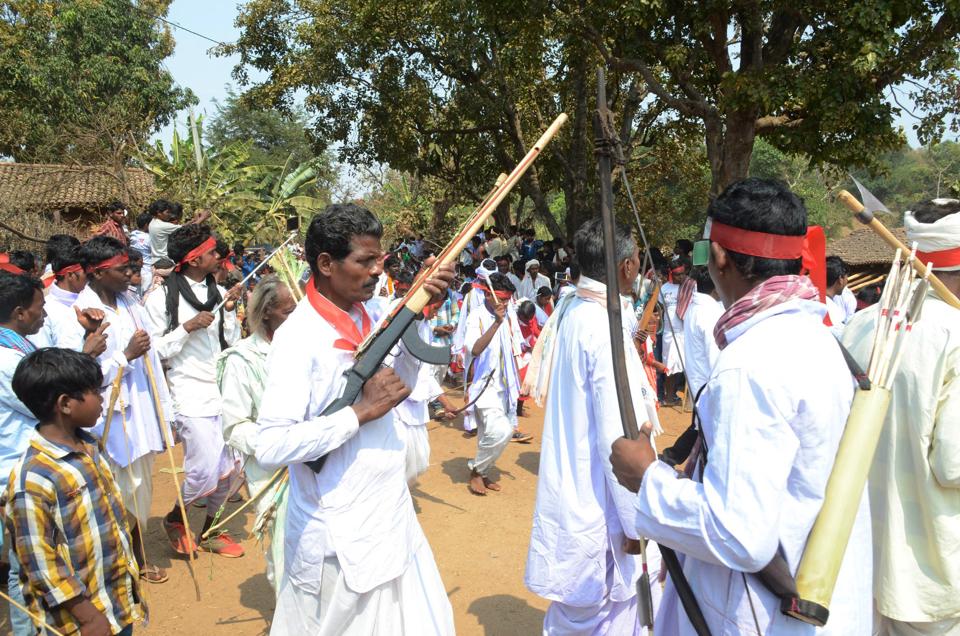
The conviction rate in Maoist infested area was less than one per cent and most of the cases under review were from the eight severely affected districts, said an official. The idea is to withdraw cases where investigation is pending due to lack of sufficient evidence and where chargesheet has not been filed. The committee will also look at the cases with possibility of plea-bargain.
Plea bargain is applicable for crimes punishable with less than seven years sentence and for cases not affecting socio-economic condition of the country. Offences against women and children below 14 years, too, do not qualify for plea bargain.
According to the five-point terms of reference, all cases registered under the Indian Penal Code, National Security Act, Unlawful Activities (Prevention) Act and other Central laws along with the Chhattisgarh Excise Act will be up for review. Committee will decide which of these cases eligible under section 321 of the CrPC can be withdrawn.
Withdrawal of a case under Section 321 is allowed at any point before the verdict but is mostly done before the framing of charges, according to a state government official.
However, a senior Indian Police Service (IPS) officer in Bastar region said the committee should be cautious as withdrawal can send a wrong signal to the rebels and the security forces. “If hardcore rebels are freed, it would have demoralising impact on the morale of security forces,” the officer said on condition of anonymity.
Human rights activist in Bastar Shalini Gera, however, hailed the move. “A historic step by the Chhattisgarh government as ordinary tribals, labelled Naxalites, are languishing in jails without any evidence,” she said and added, “These tribals are forced to sell their jewellery and mortgage land to pay litigation cost.”
Justice Patnaik committee was constituted on March 8 this year has met once so far, its next meeting is scheduled for October, said the official quoted above.
-kW0H-U20214218012MgB-250x250%40HT-Web.jpg)


