
 E-Paper



Coronavirus in India: Historic sights, monumental silence
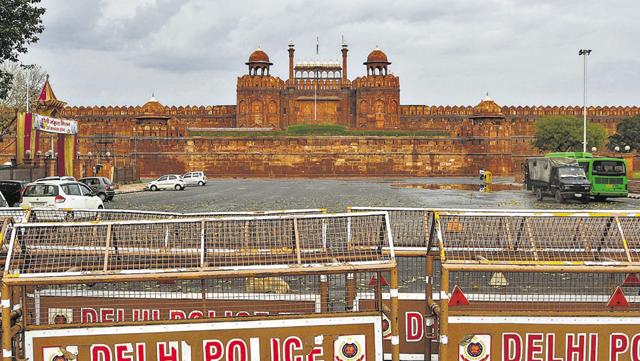
Covid’s shadow hangs over India’s landmarks, replacing the frenetic energy that surrounds them with eerie stillness.


Tourists, both domestic and foreign, were in for a rude shock on March 17 when they were turned away from the Taj Mahal — one the country’s top ten most popular tourist destinations in 2019, according to the ministry of tourism — as the Archeological Survey of India decided to close down all monuments and protected sites in view of the global coronavirus pandemic.
The last time in post Independent India that the Taj Mahal was shut down for visitors was during the 1971 Indo-Pak war.
Built in the 17th century by Mughal emperor Shah Jahan, the Taj is a popular pitstop for visiting international heads of states including most recently, United States President Donald Trump.
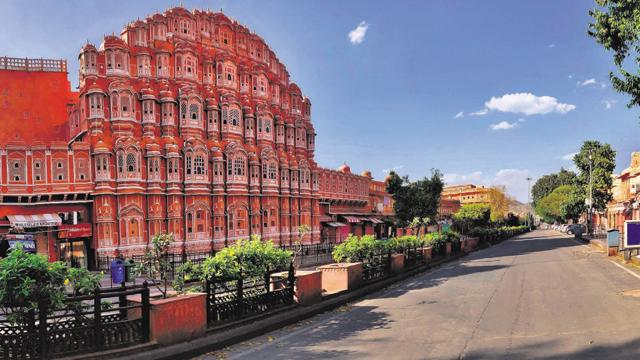
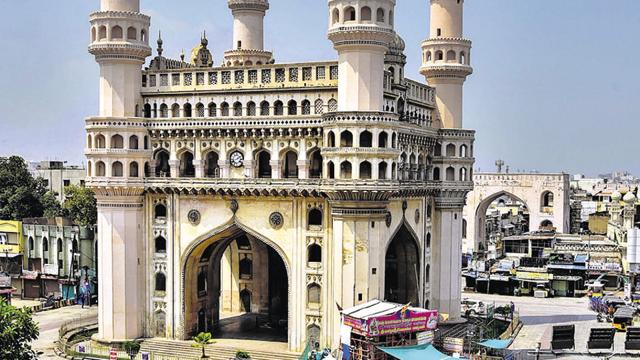

An official from the ASI’s Agra circle said that even the routine repair work on the marble mausoleum was stalled. Such work is essential for the upkeep of several of these monuments. For instance, the dome of the Taj is sometimes caked with fuller’s earth to offset the damage by pollution.
Tourism has come to a grinding halt in the face of the spread of the coronavirus pandemic. In states like Uttar Pradesh, which accounted for 15.4% of all domestic tourists and Maharashtra, which accounted for nearly a quarter of international tourist arrivals in 2018, the spread of disease is high.
“Of all the sectors, tourism was first hit and will take the longest to recover. But we remain hopeful that once the curbs are lifted, domestic tourists will start moving; international tourism might take much longer as air travel will continue to have restrictions,” said director general (tourism) Meenakshi Sharma. Domestic tourists account for a larger share in yearly earnings.
In the last few years, the tourism sector has seen marginal growth in footfall and revenue. In foreign exchange earnings, the tourism sector fetched Rs 14,667 crore in March 2017, Rs 17,222 crores in 2018 and Rs 16,125 crores in 2019.
Now, industry experts estimate that at least 50 million jobs related to tourism directly and indirectly are at stake, and recovery could take months. Pranob Sarkar of the Indian Association of Tour Operators (IATO), an apex body of inbound tour-operators, said that there have been no new bookings since March. “It might take us anywhere from 12 to 24 months to come to normal levels of operation,” said Sarkar. “Even after curbs are lifted for both domestic and international travellers, we do not know how many people will resume travelling,” he added.
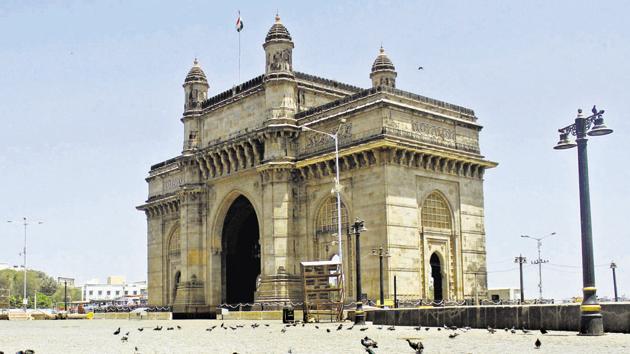
South Mumbai’s bustling tourist hotspots of Colaba causeway and Apollo Bunder — home to the colonial era monument, the Gateway of India — wear a completely deserted look. Even the ferries that leave from the port to destinations like Aurangabad and Alibaug in the mainland, have stopped their rounds.
Dhananjay Sawalkar, joint director, directorate of tourism, Maharashtra said, “The footfall has been low at Ajanta Ellora caves in Aurgangabad since mid-February itself. We had closed the site even before the state government had announced the lockdown.” The Gateway, a favorite spot for photographers and vistors, has been closed down since March 23, when the state announced a complete lockdown.
Suhas Chatkara, co-founder of Mumbai-based tour organiser Routed India said that he had lost around Rs 40 to 50 lakh in cancellations of bookings made in April and May, usually busy months owing to summer holidays in schools and colleges.
Director General of the Archaeological Survey of India said that while no major renovation work was scheduled on centrally-protected sites, routine maintenance work had to be stalled. “Special projects such as the excavation of a recently-discovered Mughal-era tunnel in Red Fort which was carried out early this year, have not been taken up,” Gunjan Kr Srivastava, Delhi ASI Circle Superintending Officer said.
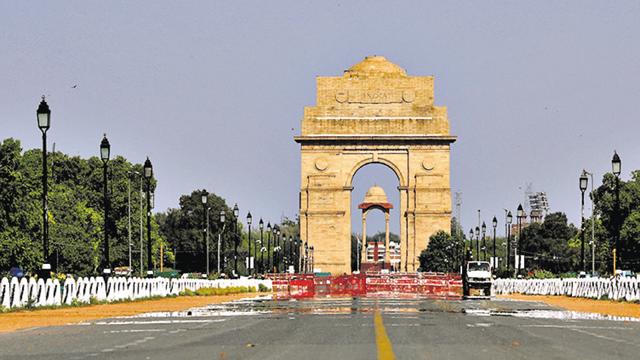
Even the lawns of India Gate popular among tourists and visitors, is being maintained by a skeletal staff of the Central Public Works Department. “The Amar Jawan Jyoti continues to burn every day,” the spokesperson said.
(With inputs from Hemendra Chaturvedi, Mehul Thakkar and Tanushree Venkataraman)


