
 E-Paper



Covid-19: India among countries with low hand-washing culture
According to University of Birmingham researchers, at least 50% of people do not have a habit of automatic hand-washing after using the toilet in China (77%), Japan (70%), South Korea (61%) and the Netherlands (50%).


There is a strong link between high exposure to coronavirus and a culture of hand-washing automatically after using the toilet, and India figures tenth on the list of top ten countries where the culture is the weakest, a new study released on Tuesday suggests.
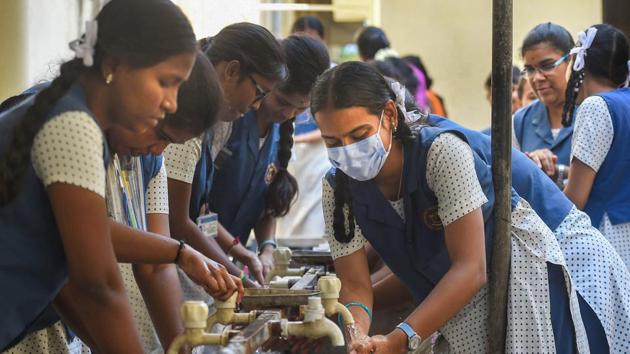
According to University of Birmingham researchers, at least 50% of people do not have a habit of automatic hand-washing after using the toilet in China (77%), Japan (70%), South Korea (61%) and the Netherlands (50%).
These countries are followed by Thailand, Kenya, Italy, Malaysia, Hong Kong and India, the study says, which used data from 63 countries; those with the strongest culture of hand-washing are Saudi Arabia, Bosnia, Algeria, Lebanon and Papua New Guinea.
Published in journal Regulation & Governance, the study is based on data on hand-washing habits released in 2015 by the BVA France Sarl in collaboration with the Worldwide Independent Network of Market Research and GALLUP International.
The study notes that the data with 64,002 respondents predates the outbreak of coronavirus. Current hand-washing habits could be significantly influenced by the international media campaigns, since frequent hand-washing is widely recommended to neutralise the virus, it adds.
Gann Pogrebna, the study’s co-author, says: “Countries where people do not have a habit of washing their hands automatically tend to have a much higher exposure to Covid-19. In the absence of a cure or vaccine, the current outbreak obliges humanity to find ways of reducing the potential risk of infection”.
“It is possible to quickly influence individual hygiene behaviour in the short term, but changing hand-washing culture in a particular country – or globally - is a much more difficult task.”
Alex Kharlamov, also a co-author, adds: “Many factors may have contributed to the spread of COVID-19 around the globe, but hand-washing culture alone appears to be an important factor in explaining why some counties have been hit harder by the outbreak”.
“Time will tell whether the challenges posed by COVID-19 will help to make hand-washing culture around the globe more unified. However, the data – adjusted for cultural differences and differences in economic development between countries - demonstrated a very strong correlation between lack of hand-washing culture and exposure to the virus.”


