E-Paper



Culture ministry to put draft bylaws on hold for 2 Bhubaneswar temples
Last month, the National Monument Authority issued draft bylaws for the Jagannath Temple of Puri, and Ananta Basudeva and Brahmeswar Temples of Bhubaneswar under the provisions of the Ancient Monuments and Archaeological Sites and Remains (Amendment and Validation) Act, 2010.


Amid opposition from Biju Janata Dal and the priests of the Lingaraj temple in Bhubaneswar regarding the draft bylaws issued by the National Monuments Authority, Union culture minister Prahlad Singh Patel on Friday put the bylaws on hold.
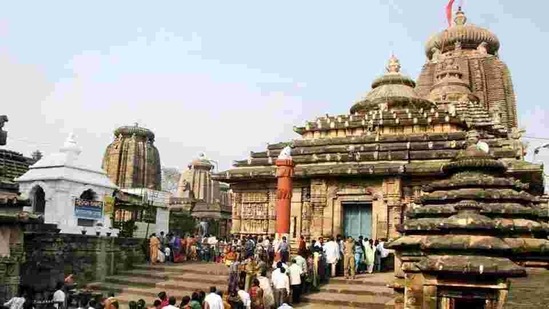
In a letter to Union minister of state for MSME, Pratap Sarangi, Patel wrote that he had asked the officials of the culture ministry to keep the proposal on hold. “The final decision on the same would be taken only after the matter is discussed and deliberated with all the stakeholders,” Patel wrote to Sarangi in reply to the latter's request urging the Centre to rethink the matter.
Last month, the National Monument Authority under the Union culture ministry issued draft bylaws for the Jagannath Temple of Puri, and Ananta Basudeva and Brahmeswar Temples of Bhubaneswar under the provisions of the Ancient Monuments and Archaeological Sites and Remains (Amendment and Validation) Act, 2010. As per the draft bylaws, construction activities are prohibited within the first 100 metre radius of the monument and are regulated within the next 200 metres. Following protests by state government, the NMA had withdrawn the draft bylaw for Jagannath Temple on February 8.
However, the NMA did not withdraw the draft bylaws for the 13th century Ananta Basudeva Temple and Brahmeswar Temple in Bhubaneswar. The draft bylaws for Ananta Basudeva Temple threatened to spoil the Odisha government’s plans of proposed beautification of the Lingaraj Temple as the latter came within the 100 metre radius, thereby ruling out any chances of new construction.
Odisha chief secretary Suresh Mohapatra had written to the Union culture secretary demanding withdrawal of the draft bylaws of Ananta Basudeva Temple citing apprehensions of a widespread agitation leading to disturbance in religious rituals. “The kind of atmosphere in temples is bound to hurt the religious sentiments of lakhs of devotees. It is important to have a peaceful atmosphere for conducting the annual Maha Shivratri festival in which a large number of devotees from all over the state participate,” the chief secretary wrote.
The priests of the 11th century Lingaraj Temple, backed by the BJD, claimed that the draft bylaw for the 13th century Ananta Basudeva Temple would hinder the Shivaratri festival at the Lingaraj temple.
“The draft bylaws of the Ananta Basudeva Temple are an outcome of the difference of opinion between the BJP and the BJD. If the government doesn’t roll back the draft regulations with immediate effect, it may have an impact on the upcoming Shivaratri rituals. The political game over the matter is playing spoilsport in the development of the temple,” said Biranchi Pati, secretary of Brahmana Nijog, one of the most powerful bodies of priests of Lingaraj Temple.
The draft bylaws triggered a fight between BJD and BJP with the Bhubaneswar MP and senior BJP leader Aparajita Sarangi saying the draft bylaws for Ananta Basudeva Temple were good. “Heritage areas must be developed. But the route to such development is not through withdrawal/abeyance of bylaws. Protest against the draft bylaw is politically motivated. As the AMSAR Act, 2010 still prevails, the Odisha government must seek permission from NMA/ASI before implementing projects in the prohibited/ regulated areas,” said Sarangi.