
 E-Paper



Delhi reports ‘isolated’ case of Japanese Encephalitis: What you need to know
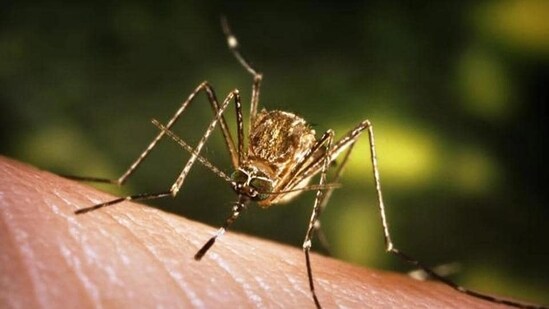
Japanese Encephalitis virus is usually carried by waterfowl and amplified in pigs. Humans get infected when bitten by mosquitoes carrying the virus.


Delhi reported a single case of Japanese Encephalitis, news agency PTI reported citing official sources on Thursday. Public health measures have been implemented following the National Centre for Vector Borne Diseases Control (NCVBDC) guidelines, with no cause for concern, the sources confirmed.
A 72-year-old man from West Delhi was admitted to the All India Institute of Medical Sciences on November 3 due to chest pain. The patient had a medical history of diabetes, coronary artery disease, bilateral lower limb weakness, and bowel and bladder incontinence.
On November 6, after a blood sample was taken, the man tested positive for Japanese Encephalitis. He was discharged from the hospital on November 15.
According to data from the Integrated Disease Surveillance Programme, cited by PTI, 1,548 cases of Japanese Encephalitis were reported across 24 states and union territories in 2024, with Assam accounting for 925 of these cases.
The central government's guidelines recommend two doses of the Japanese Encephalitis vaccine as part of the Universal Immunisation Programme since 2013. Additionally, the adult vaccine has been introduced in high-burden states. "While no outbreaks of Japanese Encephalitis have been reported in Delhi, occasional isolated cases have been seen at tertiary hospitals such as AIIMS, Ram Manohar Lohia, and Safdarjung, mostly in patients from neighbouring states," a source was quoted as saying by PTI.
The PTI report said that despite this isolated case, all public health measures have been taken as per NCVBDC guidelines, and there is no cause for concern.
All you need to know about Japanese Encephalitis
- Japanese Encephalitis, also known as Summer Encephalitis or Arboviral B Encephalitis, is a rare viral illness typically transmitted by mosquitoes. It primarily affects animals, particularly through migrating birds, but can occasionally infect humans. Children are more vulnerable, but the disease is not contagious person-to-person.
- The Japanese Encephalitis virus is usually carried by waterfowl and amplified in pigs. Humans typically become infected when bitten by mosquitoes (Culex species) that carry the virus.
- The infection may cause fever in mild cases, while severe instances can lead to neurological symptoms such as changes in behaviour, confusion, tremors, convulsions, and even coma. In rare cases, it may result in death.
- There is no specific treatment for Japanese Encephalitis, and human-to-human transmission does not occur.
- While many people infected with the virus remain asymptomatic, for every symptomatic case of Japanese Encephalitis, there are 500-1,000 individuals who carry the virus without showing any signs of illness.


