
 E-Paper



‘Faceless assessment system will not displace tax officials’: CBDT chairman
CBDT chairman, through a virtual meeting with income-tax officials on Tuesday, dispelled doubts in the field formation that the faceless assessment will lead to a reduction in the workforce.

 Prefer HTon Google


Central Board of Direct Taxes (CBDT) chairman PC Mody has assured income-tax officials that the faceless assessment scheme will not result into either a large-scale transfer of taxmen or reduction in existing resources of the income-tax department, two officials said.
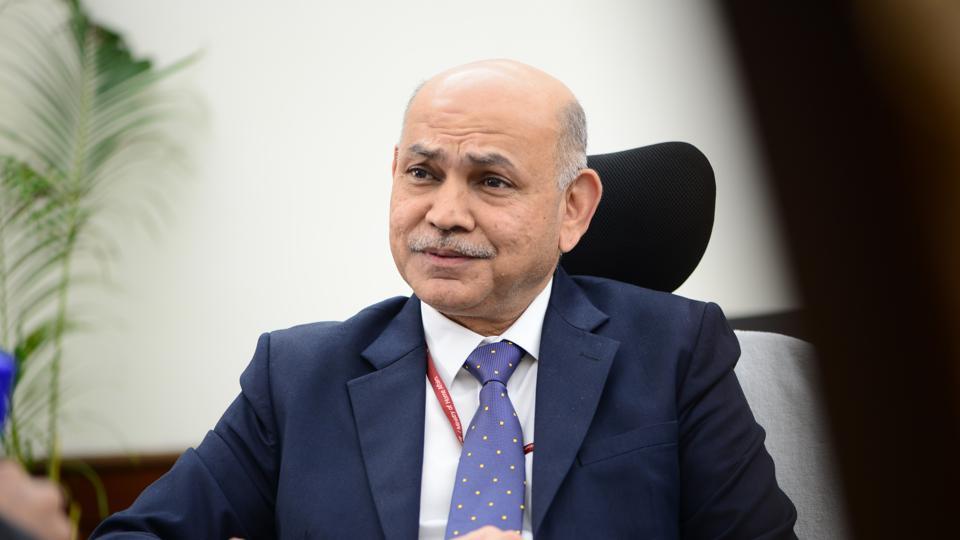
CBDT chairman, through a virtual meeting with income-tax officials on Tuesday, dispelled doubts in the field formation that the faceless assessment will lead to a reduction in the workforce and a large scale of transfers, the officials present in the meeting said requesting anonymity.
Prime Minister Narendra Modi on August 13 announced three key structural tax reforms under the ‘Transparent Taxation - Honouring the Honest’ platform – Faceless Assessment, Faceless Appeal and Taxpayers Charter. While faceless assessment and taxpayers’ charter were formally implemented from Thursday, the faceless appeal will be implemented from September 25.
The technology-driven faceless assessment system aims to end overreach by officials and the charter defines the rights and responsibilities of taxpayers.
Also read: What is ‘faceless’ tax assessment? All you need to know
The faceless tax assessment system was first proposed by the prime minister in 2017 and received a mention in the first budget of finance minister Nirmala Sitharaman on July 5, 2019. The system was subsequently launched on October 7, 2019. The system enables a random selection of tax cases through Artificial Intelligence and machine learning, with reduced discretion from for or no human interface with the income-tax department.
The objective of faceless assessment is to completely eliminate physical contact between the taxpayer and the taxman to make tax administration objective, transparent and corruption-free. The system works under the National Assessment Centre (NeAC) headquartered in Delhi and eight Regional Assessment Centres (ReACs) located in Delhi, Mumbai, Chennai, Kolkata, Ahmedabad, Pune, Bengaluru and Hyderabad.
CBDT chairman and its members on Tuesday explained taxmen about the implementation of the faceless assessment system and constitution of NeAC and ReACs including the reallocation and reorganisation of the manpower, the officials said.
Mody told officials that the faceless assessment is being implemented with existing manpower preferably at the existing locations. “He sought to dispel all kind of misgivings and misapprehensions which may have been reflecting on the minds of the officers and officials of the department with regard to the national launch of the faceless assessment scheme,” one of the officials said.
Mody reiterated that the implementation of the faceless assessment scheme was important to uphold the dignity of the service and, also, to change the narrative of negative public perception into a positive one.
He expressed confidence that given the immense talent pool within the income-tax (I-T) department, the officials would definitely rise to the occasion and make the transition to transparent taxation a reality.
The CBDT also made a presentation on the newly introduced taxpayers’ charter. “The officers were sensitised about the rights of the taxpayers as enshrined in the charter. It was emphasised that the charter be implemented in letter and spirit,” the official said.
Officials said the demand management strategy to be adopted by the I-T department was also discussed in the meeting to identify and clean-up pending demands so that the correct demand, if any, could be made available to the taxpayers.
“As a part of cleaning-up of demand, all pending rectifications and appeal effects were to be attended on priority as this was also one of the key factors of a transparent tax administration,” another official said.


