
 E-Paper



Has GRAP IV been implemented in Delhi amid pollution surge? CAQM shares update
Social media posts claimed that GRAP Stage-4, the highest level of emergency measures, would be activated from 8 am.


Air pollution across Delhi-NCR pushed into another dangerous stretch this week, with several stations logging AQI readings above 600. The spike also left many neighbouring regions, including Noida, Greater Noida, Ghaziabad, Gurugram and Faridabad, inside the “severe” bracket and raised immediate concerns about exposure and health risks for residents.
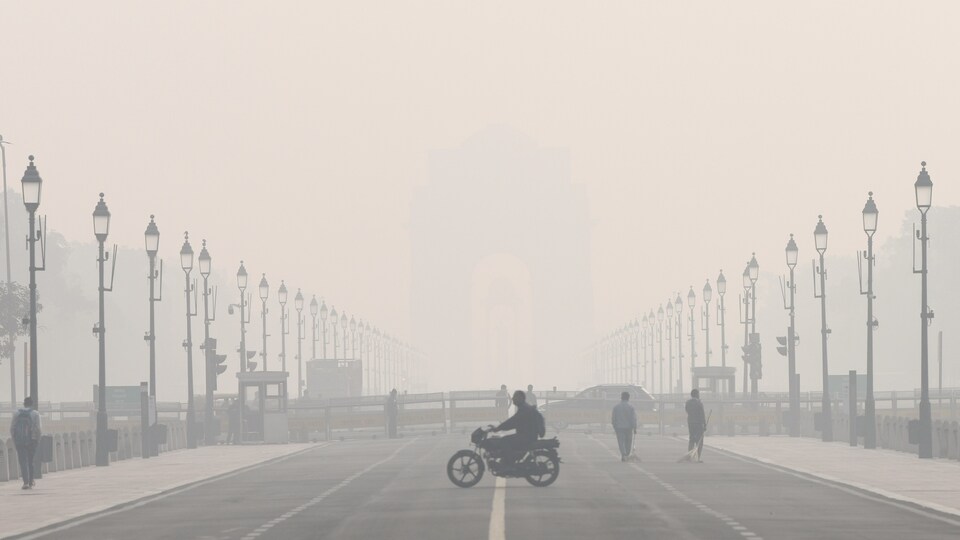
Confusion over GRAP Stage-4
Across social media platforms, several posts claimed that GRAP Stage-4, the highest level of emergency measures, would be implemented from 8 am on Tuesday.
Some also said that entry of heavy vehicles from outside Delhi would be halted.
CAQM provides update
But the Commission for Air Quality Management (CAQM) issued a clarification. In a press update dated 18.11.2025, the body called those Stage-4 reports “misleading” and said they did not reflect the official position.
CAQM said that Stage-III of the Graded Response Action Plan remains the operative level across Delhi. It advised both the public and news platforms to rely only on official CAQM updates and press releases.
How GRAP stages escalate
The GRAP system carries four tiers, each adding restrictions as pollution climbs.
Stage I focuses on early curbs. Stopping open waste burning, removing coal use in small eateries, and deploying local checks on dust and emissions.
Stage II brings in stronger steps: a halt on diesel generator sets except for essential services, higher parking fees, dust-control sprinkling, and tighter movement for BS-IV diesel vehicles.
Also read: Deteriorating air quality: Delhi ‘okay’ with exemptions granted to 11 coal-fired power plants in NCRMeasures currently active under GRAP Stage III
With the air locked in the “Severe” bracket, Stage III restrictions continue across NCR.
This includes:
- A ban on non-essential construction - piling, excavation, demolition
- Prohibition on BS-III and BS-IV diesel vehicles across Delhi-NCR
- Monitoring of mines, stone crushers and diesel-run machinery
- Possible closure of lower classes in schools
- Penalties for repeated violations
What happens in GRAP stage IV?
Stage IV is meant for situations where pollution crosses into emergency categories. Measures include:
- A ban on truck entry into Delhi except for CNG, LNG, BS-VI diesel or essential loads
- Suspension of construction at public and government project sites
- Restrictions on commercial vehicles entering Delhi
- Up to 50% work-from-home directives for offices
- While these steps are not active at present, CAQM noted that all Stage I–III rules remain applicable.
- Residents have been advised to limit outdoor exposure, monitor local AQI updates, and follow official notices, especially as false alerts continue to circulate online. The commission reiterated that any such decision would be communicated directly through official channels.
FAQs
Has GRAP-4 been implemented in Delhi-NCR?
No. CAQM confirmed that only Stage 3 is currently in force.
Why were reports claiming GRAP-4 was activated?
Some outlets circulated incorrect updates, leading to an official clarification.
What pushed the AQI beyond 600 in parts of the NCR?
A mix of stagnant winds, winter conditions, and ongoing emissions drove pollution into the severe zone.


