E-Paper



File pleas on hardship to seek divorce in one year: HC
The petitioner and his wife got married as per Hindu rites and rituals on May 13, 2020, and within a very short span of time, they developed marital discord, leading to serious disputes

 Prefer HTon Google


Couples seeking divorce within a year of their wedding must file a separate application citing “exceptional hardship” or “exceptional depravity” in order to waive the mandatory one-year waiting period under the Hindu Marriage Act, 1955, the Orissa high court has observed, adding that the court retains discretion in such cases to allow the petition.
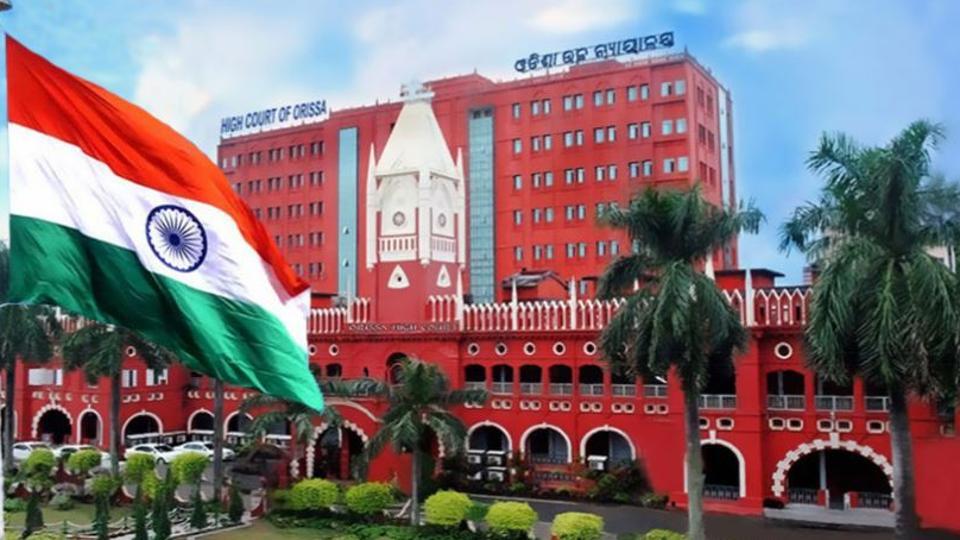
Disposing of a petition filed by a man, who had challenged a family court’s order denying his prayer for divorce from his wife within a year of their wedding, a division bench of the high court held that Section 14 of the Hindu Marriage Act (HMA), which bars presentation of petition for divorce within one year of marriage, starts with a non-obstante clause, meaning it overrides all other provisions of the 1955 law.
“It explicitly prohibits not just the court from entertaining a divorce petition within one year of marriage but also prevents a party from presenting such a petition… the statutory bar is absolute unless a specific application for leave is filed and allowed,” a division bench of justices Bibhu Prasad Routray and Chittaranjan Dash observed in its order dated April 7.
The court further noted that Section 14(1) of the HMA, however, permits a relaxation of this bar in exceptional cases where the “petitioner can demonstrate either exceptional hardship suffered by the petitioner, or exceptional depravity on the part of the other half”.
“The court retains discretion in such cases to allow the petition to be presented within one year, provided the plea is substantiated through a separate application seeking permission to file for divorce prematurely,” it added.
In the present case, the petitioner and his wife got married as per Hindu rites and rituals on May 13, 2020. However, within a very short span of time, the couple developed marital discord, leading to serious disputes and allegations from both sides.
The situation worsened so much that the wife left the matrimonial home on June 24, 2020, just over a month after their marriage. After she did not return allegedly despite repeated requests from the husband and his family, the man filed a petition for divorce before the family court in Bhadrak on July 7.
Despite the statutory bar under Section 14 of the HMA for presentation and entertainment of petition for divorce within one year of marriage, the family court proceeded with the matter and allowed both the parties to adduce evidence and contest the case on merits. After analysing the pleadings, evidence and arguments, the court dismissed the husband’s prayer for grant of divorce as he failed to establish cruelty or desertion on the part of the wife. It also censored the husband for hastily approaching the court to dissolve the marriage without putting genuine endeavours for reconciliation.
The petitioner husband then challenged the order before the high court in 2023.
In its order, the high court bench expressed surprise as to how the family court did not frame any specific issue regarding the maintainability of the petition though Section 14 of the HMA puts a legal bar on the presentation of a divorce petition within one year of marriage. Neither the husband filed a separate application to lift the bar nor the wife raised any objection regarding maintainability of such petition until the final arguments in the case, the order said.
Noting that the couple have been residing separately for nearly five years and proactively contesting the case before the court, the bench said it would be apt to remand the matter back to the family court for fresh adjudication, rather than dismissing it purely on procedural grounds.
The bench condoned the statutory bar but clarified that the bar of one year under Section 14(1) was lifted taking into account the peculiar facts of the present case and “therefore, it should not be taken as a general precedent nor should it be construed as dilution of legislative intent behind the provision”.