
 E-Paper



‘Revenge of 1971’: Hafiz Saeed’s outfit claims credit for Shiekh Hasina’s ouster from Bangladesh
JuD leaders Saifullah Kasuri and UN-designated terrorist Muzammil Hashmi, linked to 26/11 mastermind Hafiz Saeed, made the remarks during recent speeches.

 Prefer HTon Google


The senior operatives of the banned terror group Jamaat-ud-Dawa (JuD), associated with 26/11 Mumbai attacks mastermind Hafiz Saeed, have claimed that their involvement in last year’s large-scale anti-government protests in Bangladesh, which led to the ouster of Prime Minister Sheikh Hasina.
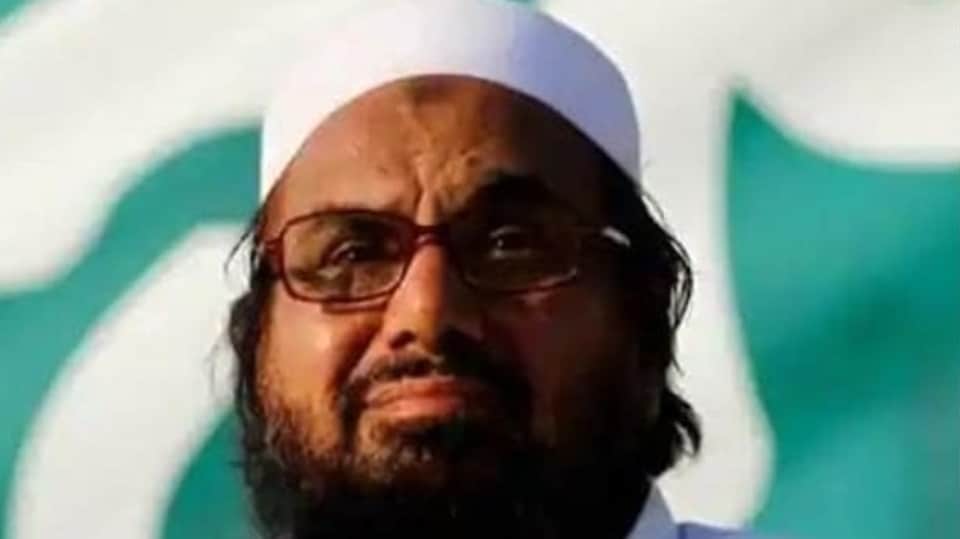
The statements were made by JuD leaders Saifullah Kasuri and Muzammil Hashmi, who is listed as a UN-designated terrorist, during their impassioned speeches earlier this week, according to news agency PTI.
“I was four years old when Pakistan was dismembered in 1971. The then Indian prime minister Indira Gandhi had declared that she’d drowned the two-nation theory in Khaleej (Bay of Bengal). On May 10, l … we have taken the revenge of 1971,” Kasuri said while addressing supporters in Allahabad, located in Rahim Yar Khan, about 400 km from Lahore.
Kasuri’s reference was to the 1971 Liberation War in which Bangladesh (formerly East Pakistan) gained independence following Pakistan’s surrender in Dhaka to the combined forces of Indian soldiers and Bangladeshi freedom fighters.
JuD member ‘cut into pieces’ during Indian strikes on May 7
During his speech, Saifullah Kasuri admitted that one of his associates, Mudassar, was “cut into pieces” in the Indian airstrike on Muridke — the headquarters of JuD and LeT — carried out on May 7.
The strike was part of Operation Sindoor, carried out in retaliation against the April 22 terror attack in Pahalgam, which left 26 people dead.
“I was not allowed to attend his funeral. On the day of his funeral, I cried a lot,” Kasuri said, although he did not specify who had barred him from being present at the burial.
In contrast, high-ranking members of the military, police, and civilian administration of Punjab province reportedly attended the funeral of Mudassar and two other JuD members, with media coverage capturing the event.
Kasuri added, “I was in my constituency meeting with the people when the Pahalgam incident took place. India made me the mastermind of this attack. India made my city, Kasur, popular in the world.”
He further stated, “We are preparing the next generation for jihad...We are not afraid of dying.”
Meanwhile, speaking at an event in Gujranwala, about 80 km from Lahore, Muzammil Hashmi claimed, while addressing Indian leadership, “We defeated you in Bangladesh last year...”
Hasina fled India last year
Hashmi’s remarks referred to the ouster of Sheikh Hasina on August 5, which came after large-scale student-led anti-government protests.
Following her removal, Hasina fled to India, and three days later, Muhammad Yunus assumed charge as the Chief Adviser of the interim government.
Diplomatic relations between Pakistan and Bangladesh reportedly improved after Hasina’s departure.
Reacting to the provocative speeches made by JuD leaders, Pakistan’s former diplomat Hussain Haqqani said, “The rhetoric of Jihadi extremists at their public rallies makes it difficult for the rest of the world to believe official assertions that Pakistan is no longer sponsoring or tolerating them.”
Meanwhile, Mohammad Tajul Islam, chief prosecutor of Bangladesh’s International Crimes Tribunal, recently shared details about the events leading to Hasina’s resignation. In a report published on Wednesday by Prothom Alo, a local media outlet in Bangladesh, he stated that military officials had asked Hasina to step down to prevent further bloodshed. She initially refused and is reported to have said, “You shoot me and bury me here, in Ganabhaban.”
Eventually, she fled Dhaka after being persuaded by her son.
(With PTI inputs)


