
 E-Paper



He worked to pay off his debts, says kin of migrant worker who died due to Covid-19
Since early March, the coronavirus disease has claimed over 100,000 lives in India. But they are not anonymous data points; they represent real lives with hopes, dreams and families. HT profiles some such people, famous and regular.


A few hours before Prafulla Behera succumbed to Covid-19 infection in the quarantine centre of Ganjam’s Dhunkapada gram panchayat, he had spoken to his wife, Rita, complaining to her of sustained nausea and fever. The 39-year-old who hailed from Madhipali village had been employed in a spinning mill in the textile manufacturing hub of Surat, Gujarat since he was 14.
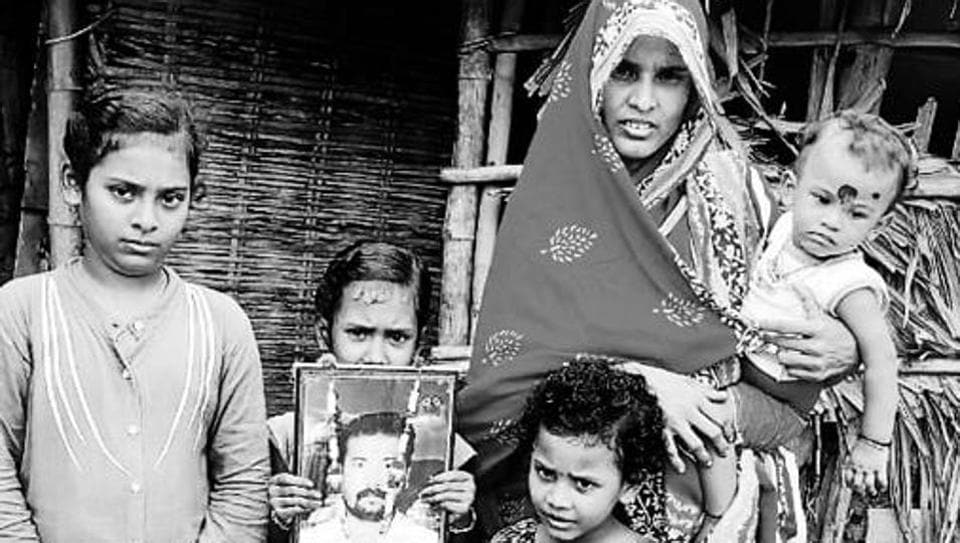
Earlier this year, he was one among the thousands of migrant workers who returned to the home state of Odisha from Surat. On May 6, Behera was housed in a quarantine centre, as per the protocol that many states were following with respect to the returnees. If no symptoms appeared in 28 days, he would have been able to go home.
“On May 8 afternoon, he was about to have his lunch at the quarantine centre when he spoke to me complaining of difficulties in breathing. He never had diabetes or any other health issues. He said he was not feeling well at all since the morning but would try to eat lunch. After a meal, he was going to be taken to the hospital in an ambulance for fever and breathlessness. But before he could eat his lunch, he died,” said Rita (30).
Behera was the first migrant worker in Odisha to succumb to Covid-19. The officials at the quarantine centre refused to hand over his body to the family as he had yet to be tested for Covid-19. Two days later, his body was cremated by the local officials after his result was positive. His family could not attend the cremation.
Rita and her three daughters — Sonali (12), Rupali (9), Asha(5) — are unable to come to terms with the loss of Behera. Her youngest daughter Payal turns one next month.
“Though his factory had shut down in April, he used to tell me things would be back to normal and he would start working soon. He had last come home when Payal was born in November last year. He was planning to come home this November. Soon after he arrived, he was taken to the quarantine centre,” Rita said. She was not allowed to meet her husband after he had returned to Ganjam in a Shramik Special train.
Rita is uneducated and has no income; the couple did not have much saved up. The administration provided ₹12000 cash assistance after Behera’s death.
“He did not even have a bank account of his own. We had four daughters while trying to get a son. All the money he earned went into repaying the loans we took to build our house and for the marriage of his sisters. He became debt-free a month before his death. When he was working in Surat, he used to send to us money through people from our village. The only bank account we have in our home is in the name of my second daughter opened by the ASHA worker when she was born,” said Rita.
“My only regret is that he could have been saved had they taken him to the hospital on time,” Behera’s older brother, Pravin, a migrant worker in Maharashtra, said.


