
 E-Paper



Non-heterosexual marriages 'harmful for human existence', Hindu body to SC
The Hindu body in its letter also 'suggested' the CJI about an “LGBTQ Partners' Registry”.

 Prefer HTon Google


A Hindu religious organisation wrote to chief justice DY Chandrachud Friday to express concerns over the Supreme Court possibly legalising non-heterosexual marriages in the country. The Hindu Dharma Acharya Sabha claimed such unions 'harmful for human existence' and suggestd a 'register' to protect and ensure the rights of LFBTQIA+ community members'.
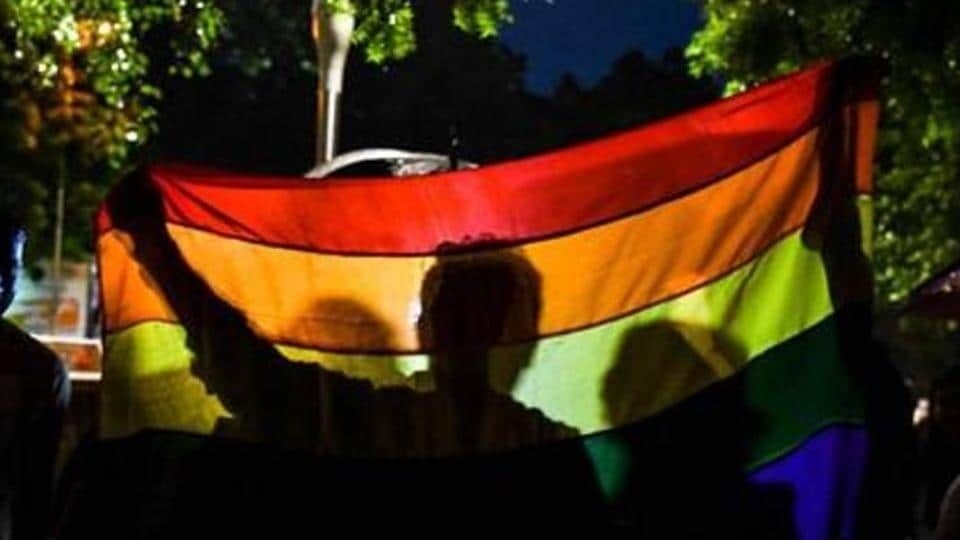
Also read: ‘Lost your minds?’: Mahua Moitra slams BCI for opposing same-sex marriage case in SC
"India is not only a country of 146 crore (people)... but it is a heritage of ancient Vedic Sanatan religion-culture, tradition, and primitive human sensibilities, where marriage is a very sacred welfare ritual that integrates men and women within family growth, preservation of family values and social responsibilities," the group said in its letter.
The letter - written by the religious body's president, Swami Avdheshanand - claimed legalising non-heterosexual marriages would 'prove to be harmful to human existence by destroying the divine Vedic beliefs, cultural practices and various methods of social development of the nation of India by causing severe anomalies in a country like India'.
"... shocked by such unnatural and unnatural thoughts! Such unfair and unethical practices have been completely unacceptable in India," Swami Avdheshanand tweeted later.
Also read: Why is India discussing same-sex marriage? 5 points
The organisation also suggested a 'LGBTQ partners' registry" to ensure rights 'without interfering with the holy practice of marriage'.
A five-judge Constitution Bench headed by the chief justice has been hearing arguments for and against the legalisation of non-heterosexual marriages in India over the past two weeks.
On Thursday, the court said social cohabitation between same-sex (and non-heterosexual) couples must find 'some recognition' in law and asked the government - which argued vehemently against ensuring equality of people with different sexual identities - about steps to ensure welfare in the (potential) absence of legal recognition of such marital unions.
"Once you accept the fact same-sex couples have a right to cohabit... there is a corresponding duty on the State to at least recognise that cohabitation. As a welfare State, as a democratic State, these are aspirations of the people... there has to be some recognition. So, what can the State do?” the bench asked.


