
 E-Paper



HTLS 2025: Important for country like India to have key ties in good place, says S Jaishankar on Putin's visit
Speaking at the Summit, Jaishankar said it is important India maintains good cooperation as much as possible with as many players as possible.

 Prefer HTon Google


External Affairs Minister S Jaishankar said at the Hindustan Times Leadership Summit (HTLS) 2025 on Saturday that it is important for key relationships to be in good place for a country like India. Jaishankar was answering a question on Russia President Vladimir Putin's New Delhi visit and India's ties with Russia.
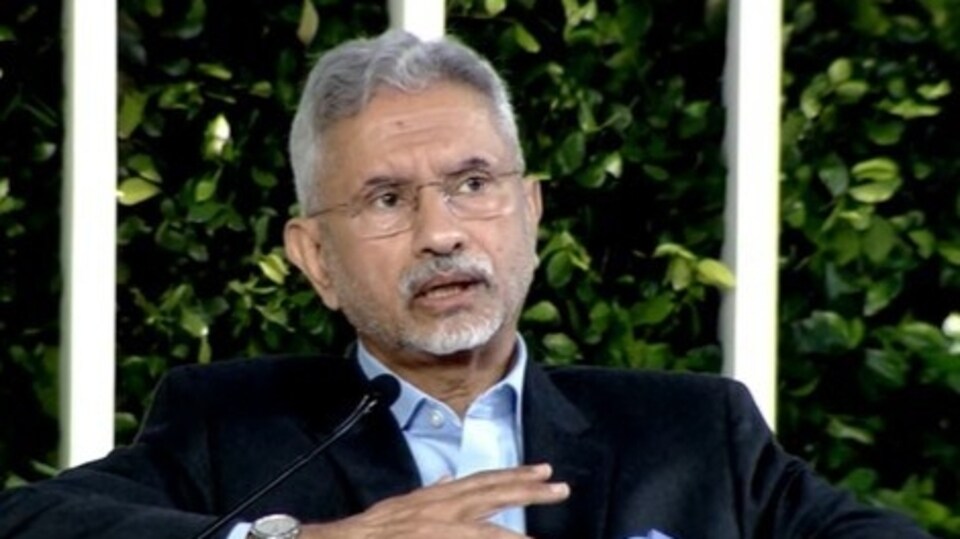
Speaking at the Summit, Jaishankar said it is important India maintains good cooperation as much as possible with as many players as possible. Follow HTLS 2025 live updates
“For a country like us... big country, rising, and expected to occupy more important place... it is important our key relationships are in good place... we maintain good cooperation as possible, with as many players as possible and that we have that freedom of choice. That in a nutshell is what foreign policy is called,” Jaishankar said.
Mobility agreement, an understanding on joint venture on fertilisers and the considerable focus on how to bring up the relationships were among the key outcomes of Putin's India visit, Jaishankar said.
Answering a query on whether Putin's India visit will in any way complicate New Delhi's ongoing trade negotiations with the United States, Jaishankar said, “I disagree, everybody knows that India has relations with all the major countries of the world... for any country to expect to have a veto or a say how we develop our relations with others is not a reasonable proposition”.
"Remember, the others can expect the same. We have made it clear we have multiple relationships, we have a freedom of choice," Jaishankar said.
“You know, in any relationship, it's natural that some aspects of it develop, and some kind of don't keep up. If you take the United States, for example, in the 80s and 90s and 2000s, our economic relationship developed. But there was virtually no defense relationship until after the nuclear deal,” Jaishankar added.
In the case of Russia, Jaishankar said, “If you look at Europe, we have a very substantive relationship with many European countries, but not necessarily extending to the defense and security sphere”.
In the case of Russia, what Jaishankar said had happened for a variety of reasons, they probably “visualised the West and China as their primary economic partners”. We visualised perhaps the same, he added.


