
 E-Paper



India emerges as top lender to Sri Lanka in first four months of 2022
India topped the list of lenders, according to data on disbursement of funds in the four months through April 30 cited by the newspaper Daily Mirror. The Asian Development Bank (ADB) was the second largest lender in this period, with $359.6 million, followed by the World Bank with $67.3 million


India emerged as the top lender to Sri Lanka during the first four months of this year, extending credit worth $376.9 million, compared to $67.9 million from China, as the island nation grapples with its worst economic crisis.
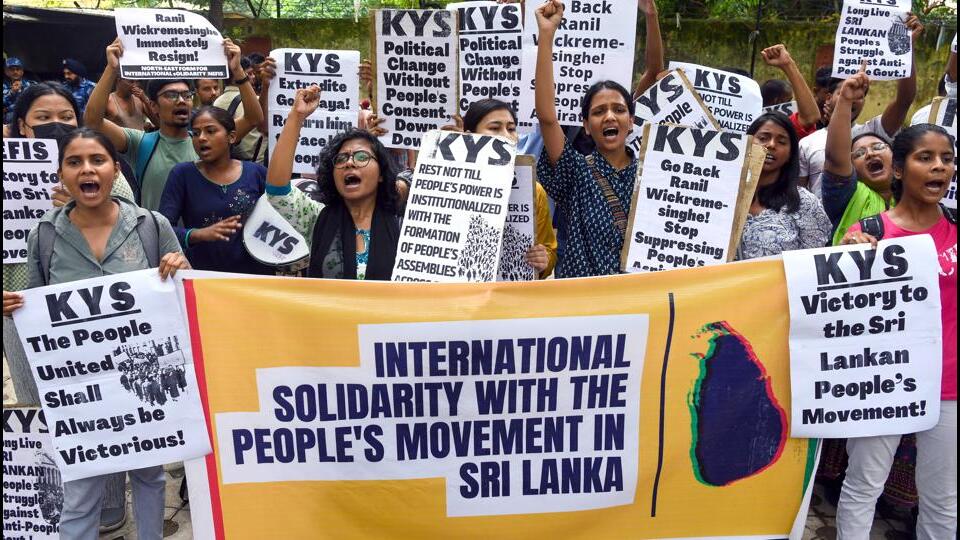
A shortage of foreign exchange has left Sri Lanka struggling to pay for imports of food, medicine and energy for its population of 22 million people. Last month, the country defaulted on foreign debt and inflation has increased by about 50%. The situation triggered massive protests that led to the resignation of President Gotabaya Rajapaksa.
India topped the list of lenders, according to data on disbursement of funds in the four months through April 30 cited by the newspaper Daily Mirror. The Asian Development Bank (ADB) was the second largest lender in this period, with $359.6 million, followed by the World Bank with $67.3 million.
The amount loaned by China was described by the newspaper as “paltry”, and the report said India came to the rescue when Sri Lanka started experiencing an acute shortage of foreign currency at the beginning of this year.
In the first four months of 2022, Sri Lanka received foreign loans worth $968.1 million and $0.7 million in grants.
India’s full package of foreign assistance for Sri Lanka since the beginning of 2022, including lines of credit for emergency purchases of fuel, food and medicines, deferral of payments to the Asian Clearing Union and a currency swap, is worth $3.8 billion.
“India emerged as the first responder under Prime Minister Narendra Modi’s neighbourhood first policy when Sri Lanka was ditched by all other bilateral partners for funding support to ride out the dollar crunch which became more pronounced since the beginning of the year due to a confluence of external and internal factors,” the report said.
A $500-million short-term line of credit for fuel purchases was agreed on February 2 for a period of two years, with a grace period of one year. Another $1-billion line of credit was finalised on March 17 for importing essential commodities.
“Despite wide expectations, China’s unwillingness or the reluctance to come to the rescue of Sri Lanka when it needed the most raised many eyebrows,” the report added. China also has not unlocked its $1.5-billion equivalent yuan-denominated swap line with Sri Lanka’s Central Bank for use.
Sri Lanka’s ambassador to China, Palitha Kohona, told Bloomberg that a request for up to $4 billion in aid could come through at some point. China was Sri Lanka’s largest bilateral funding partner until recently.


