E-Paper



India focussed on delivering health coverage to all: Health minister at WHO meet
Among the key issues to be discussed at the meet include accelerating prevention and control of cardiovascular diseases and ending neglected tropical diseases

 Prefer HTon Google


New Delhi: India’s absolute focus is on delivering universal health coverage, said Union minister for health and family welfare Mansukh Mandaviya on Monday.
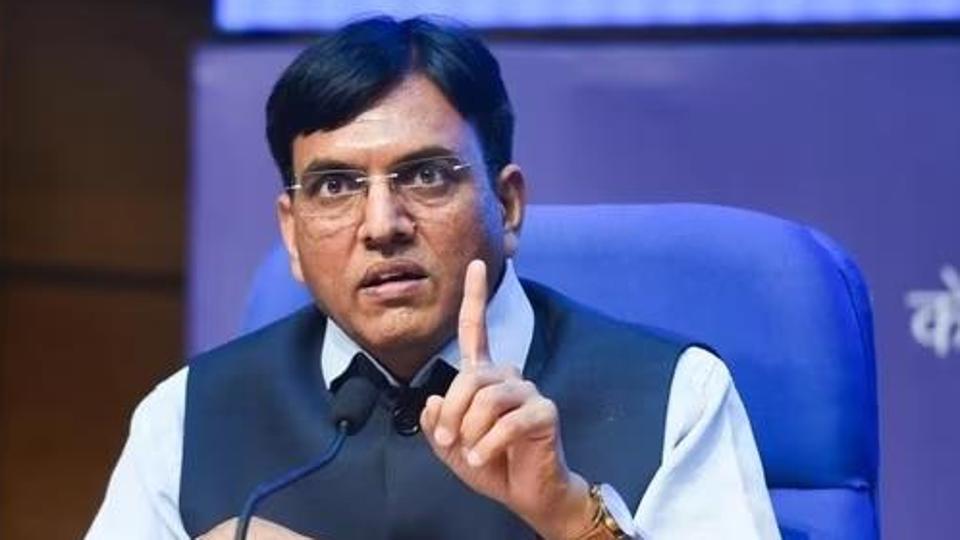
“In India we are following a holistic and inclusive approach in alignment with the vision of universal health coverage and the resolute commitment to ‘leave no one behind’,” said Mandaviya. The health minister was addressing the 76th session of the World Health Organisation Regional Committee for South-East Asia, the annual governing body meeting of WHO at the regional level.
The meeting is being held in New Delhi between October 30 and November 2.
Mandaviya said that the progress of Ayushman Bharat Health and Wellness Centres (AB-HWC) was a step in that direction, as these have played an instrumental role in providing a comprehensive array of primary healthcare services on ground, especially in rural and remote areas of the country.
“As of October 24, 2023, AB-HWCs have recorded over 2,110 million footfalls.
“The impact is resounding with individuals availing free drugs over 1,830 million times and diagnostic services over 873 million times. Nearly 26 million wellness sessions have been conducted engaging more than 306 million people,” he said.
“Our current focus on primary health centres through AB-HWC emulating a synergistic approach will result in immeasurably positive health outcomes and reductions in out-of-pocket expenditures and become a model for other countries engaged in health sector reforms.”
Mandaviya was also unanimously elected as chairperson of the 76th session of the regional committee of South-East Asia.
The session also saw meetings among health ministers and senior delegates from member countries to deliberate actions to accelerate progress towards achieving health for all.
Among the key issues to be discussed include accelerating prevention and control of cardiovascular diseases, ending neglected tropical diseases, and regional health security.
The South-East Asian Region comprises 11 countries but is home to at least a quarter of the world’s population and a significant burden of disease.
“I am encouraged to see the efforts that SEARO countries are making to combat tuberculosis as the region accounts for nearly half of the world’s illness and deaths from this ancient disease. And, to date, 7 of 11 countries in the Region have eliminated at least one neglected tropical disease… the region has made progress in many areas, including disease control and advancing universal health coverage based on the foundation of primary health care,” said Tedros Adhanom Ghebreyesus, director-general of WHO, who attended the event virtually.
Calling 2023 a year of transition that marked the end of COVID-19 pandemic, the current regional director, Poonam Khetrapal Singh, said the year was also one of transformation marked by tremendous achievements based on a deeply held strategic vision and culture shared by member countries.
“Together – at this meeting and beyond – we continue to pursue the Right of every person in the Region to the highest attainable standard of health and well-being, for more than a quarter of humanity,” said Khetrapal Singh, who ends her second five-year term as regional director on January 31, 2024.
On Wednesday, the regional committee will vote to nominate the next WHO regional director for South-East Asia.