
 E-Paper



India needs to do more to achieve gender equality under Beijing Declaration: Officials
The declaration, a resolution of the United Nations for gender equality, was passed in 1995 with 189 initial signatories.


India must guarantee a minimum of 240 days of work for women under Mahatma Gandhi National Rural Employment Guarantee Act, pass women’s reservation bill and come up with gender-segregated data of beneficiaries of central schemes among other things to achieve the principles of gender equality under Beijing Declaration.
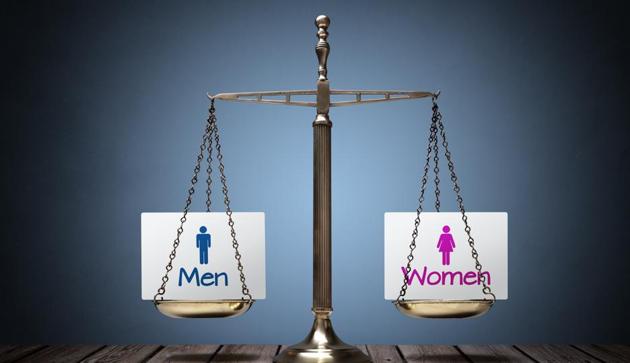
The declaration, a resolution of the United Nations for gender equality, was passed in 1995 with 189 initial signatories.
There are 192 signatories now and a 25-year review of the declaration at the meeting of the UN’s Commission on the Status of Women for its 64th session is coming up in March this year.
These recommendations emerged after officials of the National Commission for Women (NCW) and UN Women held a day-long consultation with field workers and officials to mark the 25th anniversary of the declaration.
Officials of the women and child development, health and family welfare, minority affairs and agriculture ministries were also a part of the consultation, where members of legal organisations, academics and several NGOs, too, were present.
NCW chairperson Rekha Sharma said that other recommendations include improving access to quality education, health services and skilling and working towards increasing female labour force participation.
“We need to have a convergence of women-related initiatives by various ministries for better coordination of the gender equality agenda, we need to promote more women in entrepreneurship roles and most importantly, have mechanisms for the collection of gender-disaggregated data (data analysed separately on men and women),” Sharma said.
Experts at the meeting also stressed on the need for an anti-discrimination bill which penalises gender-based discrimination. Education experts said that the Right to Education (RTE) Act needs to be implemented fully and comprehensive sexual education should be made available in all schools. Sexual health experts said safe abortion care should be accessible.
Priyanka Samy of the National Federation of Dalit Women, who was part of the discussion, said the government needs to prioritise gender-responsive planning, budgeting and implementation.
“This should be done from the lens of intersectionality, factoring the distinct disadvantages faced by marginalised women, including women with disabilities and people across the LGBTQI spectrum,” said Samy.
In 2015, in the WCD ministry’s review report of its implementation of the declaration in its 20th year, the setting up the WCD ministry was listed as an achievement.
The passage of legislation such as the Criminal Law (Amendment) Act, 2013, and the Sexual Harassment of Women at Workplace (Prevention, Prohibition and Redressal) Act 2013, too, were listed in the report.
Sanya V Seth of the UN Women said there is a need for inclusiveness and collaboration in the policy and decision-making processes.


