
 E-Paper



‘India reselling, profiteering from Russian oil’: Top US official on why China saw no penal tariffs
In an interview with CNBC, Bessent said India had made huge profits on the sale of Russian oil during the war in Ukraine.

 Prefer HTon Google


As President Donald Trump's “penal” tariff deadline for India nears, US treasury secretary Scott Bessent argued why China is not yet seeing any such penalties yet for buying Russian oil too.
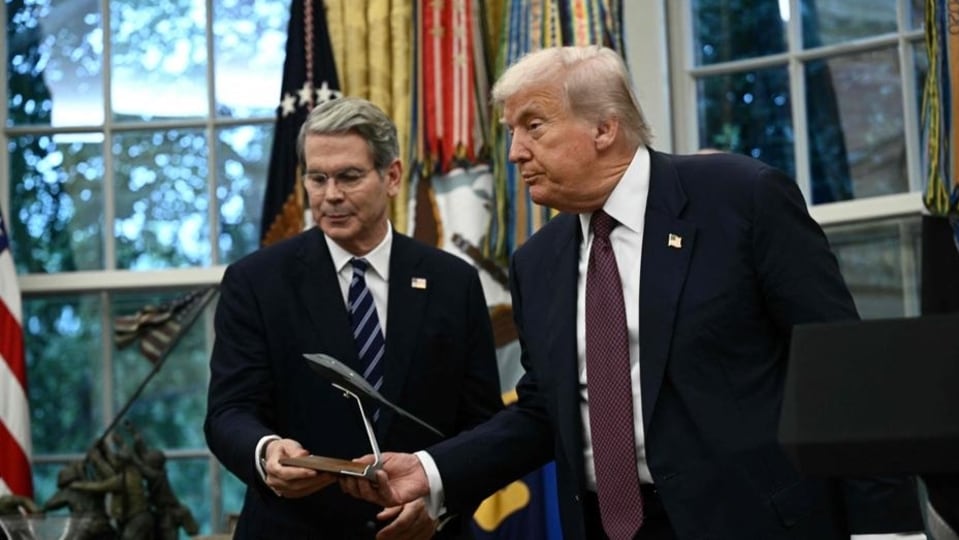
The reason for the different treatment is because India has been “profiteering” and “making billions” from its reselling of the oil, Bessent said to a question in a TV interview on Tuesday.
He told CNBC that India made “huge” profits on the sale of Russian oil during and after the war in Ukraine. This remark from the US official comes as he defended Trump's decision to not penalise China for its Russian oil purchase.
"China's importing (Russian oil) is suboptimal. Pre-invasion (of Ukrainian territory by Russia), 13 per cent of China's oil was already coming from Russia. Now it's 16 per cent, so China has diversified oil inputs," said Bessent.
The treasury secretary further said India had “less than 1 per cent” of its oil from Russia “and now its up to 42 per cent”.
"India is just profiteering, they are reselling... They made 16 billion in excess profits, some of the richest families in India," said Bessent.
"This is a completely different thing. Indian arbitrage, which is buying cheap oil and reselling it, has just sprung up during the [Ukraine] war. This is just unacceptable," he added further.
Trump's tariff deadline for India nears
US President Donald Trump has imposed an additional 25 per cent tariff on India for its purchase of Russian oil during the Ukraine war.
With this imposition, tariffs on India reached a total of 50 per cent and this is set to come into effect before the end of this month.
Following this imposition, Russia had backed India and warned the US against issuing “illegal threats” to its trading partners.
As the deadline for India near, Chinese foreign minister Wang Yi is on a visit to New Delhi. On Monday, Yi met with his Indian counterpart S Jaishankar, and said both India and China should expand cooperation amid “overwhelming bullying” and severe challenges to free trade.
India-US ties have been strained amid Trump's tariff row and negotiations for a bilateral trade between the two trading partners.
Ahead of the tariff deadline, India, on Tuesday, temporarily suspended an 11 per cent import duty on cotton until September 30.
As per Bloomberg, this move has been seen as a signal to Washington that New Delhi is willing to address concerns on agricultural tariffs.
Following Trump's announcement of 50 percent tariffs, Indian Prime Minister Narendra Modi said India was "prepared" to pay a heavy price and would never compromise on the interests of farmers.
This remark referred to a roadblock to access the agricultural product market during negotiations between US and India for a bilateral trade deal.
PM Modi reiterated this statement during his Independence Day speech on last week.


