
 E-Paper



India rejects Pakistani parliamentary resolution on Jammu and Kashmir
The resolution, which was presented in Pakistan’s National Assembly by foreign minister Bilawal Bhutto Zardari last week, had called on India to immediately halt and reverse what it said were “unilateral and illegal actions” in Jammu and Kashmir and to fulfil its obligations under UN resolutions.

 Prefer HTon Google


New Delhi: India on Tuesday rejected what it described as a “farcical resolution” passed by Pakistan’s Parliament opposing the delimitation exercise in Jammu and Kashmir and said Pakistan has no locus standi to interfere in the country’s internal matters.
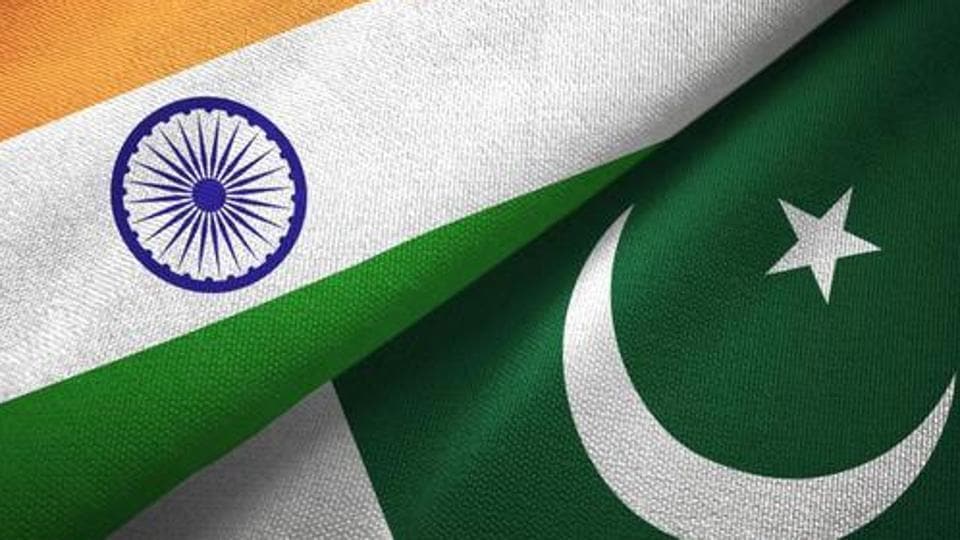
The resolution, which was presented in Pakistan’s National Assembly by foreign minister Bilawal Bhutto Zardari last week, had called on India to immediately halt and reverse what it said were “unilateral and illegal actions” in Jammu and Kashmir and to fulfil its obligations under UN resolutions.
Responding to the passage of the resolution, external affairs ministry spokesperson Arindam Bagchi said: “We categorically reject the farcical resolution passed by the National Assembly of Pakistan on the subject of the delimitation exercise in the Indian Union Territory of Jammu and Kashmir.”
He added, “Pakistan has no locus standi to pronounce on or interfere in matters that are internal to India, including the Indian territories under Pakistan’s illegal and forcible occupation.”
The whole of the union territories of Jammu and Kashmir and Ladakh “has been, is and shall always remain an integral part of India”, Bagchi said.
The delimitation exercise in Jammu and Kashmir is a “democratic exercise based on the principles of extensive stakeholder consultation and participation”, he pointed out.
“It is regrettable that instead of putting their own house in order, the leadership in Pakistan continues to interfere in India’s internal affairs and engage in baseless and provocative anti-India propaganda,” Bagchi said.
India also reiterated its call for Pakistan to “immediately cease anti-India cross-border terrorism and shut down its infrastructure of terrorism”, and to stop “grave and persistent human rights violations in Pakistan-occupied Jammu, Kashmir & Ladakh (PoJKL)”.
The Indian side also called on Pakistan to “refrain from effecting any further material changes in the status of PoJKL”, and to “vacate the Indian territories that are under its illegal and forcible occupation”.
On Monday, the external affairs ministry had similarly rejected a statement from the Organisation of Islamic Cooperation (OIC) on the delimitation exercise in Jammu and Kashmir.
“We are dismayed that the OIC Secretariat has once again made unwarranted comments on the internal affairs of India. As in the past, the government of India categorically rejects the assertions made by the OIC Secretariat on the Union Territory of Jammu and Kashmir which is an integral and inalienable part of India,” Bagchi had said in a statement issued on Monday.
OIC should “refrain from carrying out its communal agenda vis-à-vis India at the behest of one country”, Bagchi added in an indirect reference to Pakistan.
Before the passage of the resolution in Pakistan’s National Assembly on May 12, Bilawal had made a policy statement about writing a letter to the president of the UN Security Council and the secretary general of the UN on “unlawful steps” taken by India to change the demographic structure of Jammu and Kashmir. He contended the delimitation exercise was designed to “further marginalise the Kashmiri people”.



