E-Paper



India shares draft pact on Kartarpur Corridor with Pakistan
The draft agreement was shared with the Pakistani side after a meeting between the two countries at Attari on September 4 ended with sharp differences on the proposed pact, the people said.


India has shared a draft agreement on the Kartarpur Corridor with Pakistan and is hoping the Pakistani side will display flexibility and concur with it, people familiar with the developments said on Saturday.
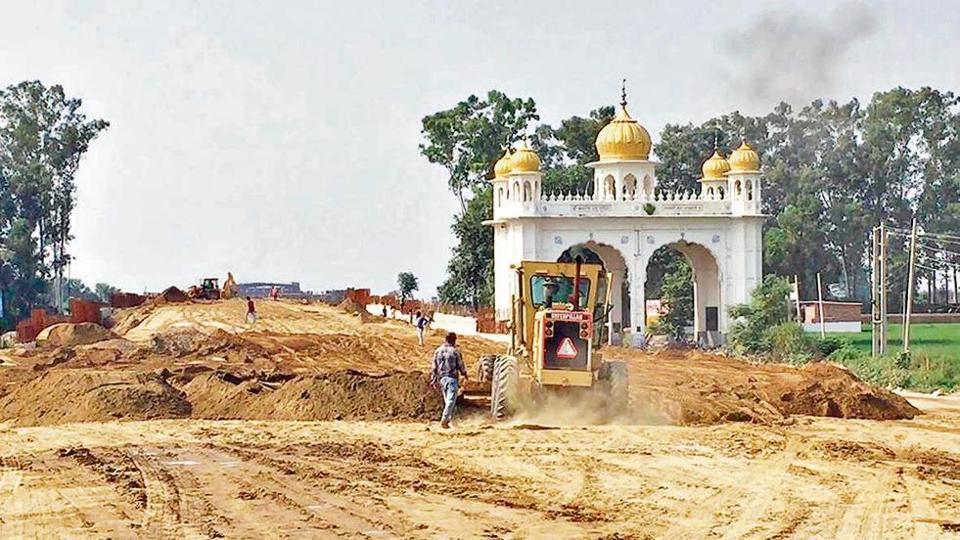
The draft agreement was shared with the Pakistani side after a meeting between the two countries at Attari on September 4 ended with sharp differences on the proposed pact, the people said.
That meeting had failed to finalise the agreement after the Pakistani side adopted what Indian officials had described as an “inflexible attitude” on certain conditions, including a service fee of $20 for each pilgrim using the corridor that will link Dera Baba Nanak in India to Darbar Sahib gurdwara in Pakistan’s Kartarpur.
“It is hoped Pakistan will show the desired flexibility and concur with the draft agreement so as to ensure that the corridor is opened in November on the occasion of the 550th birth anniversary of Guru Nanak,” said an official who declined to be identified.
At the September 4 meeting, Pakistan had also turned down the Indian side’s request to allow 10,000 pilgrims to use the corridor on special occasions and to permit consular and protocol officials to accompany the pilgrims every day.
The Indian side has said it is committed to opening the corridor in time for Guru Nanak’s birth anniversary celebrations and asked the Pakistani side to respect the sentiments of the Sikh community.
In a separate development, officials from Pakistan’s federal government, Punjab province and security agencies held a meeting in Lahore to review arrangements for the Kartarpur Corridor.
Also watch: ‘India must tread delicate line on Kartarpur Corridor’: Ex-envoy I WorldView
A statement issued by the Evacuee Trust Property Board (ETPB) after the meeting said the authorities had decided 5,000 pilgrims could use the corridor every day between sunrise and sunset and they would be provided free transportation, medical services and a meal.
The Indian pilgrims would be given special cards at the start of the pilgrimage after handing over their passports, which would be handed back to them when they returned.
The statement said a sum of Pakistani Rs 10 lakh will be spent every day on the free meals, and the cost per pilgrim will be Pakistani Rs 200. Besides free medical services, Pakistan Rangers personnel and guards from ETPB will be deployed for the security of the pilgrims.
A Pakistani company called Noble Global has been chosen to pick and drop the pilgrims from certain fixed points.
Once opened, the corridor will meet a long-standing demand of the Sikh community to be allowed direct access to the historic gurdwara built at the site in Pakistan where Guru Nanak spent the last years of his life.