
 E-Paper



India sheds reluctance in engaging Taliban at the Doha intra-Afghan talks
India removed the ambiguity around engaging with the Taliban over the weekend when external affairs minister S Jaishankar addressed the opening session of the intra-Afghan dialogue in Doha

 Prefer HTon Google


By participating in the intra-Afghan inaugural dialogue in Doha, India has shown its willingness to engage with all Afghan parties including the Taliban for peace in Kabul and to ensure no anti-India activity is allowed from Afghan soil.
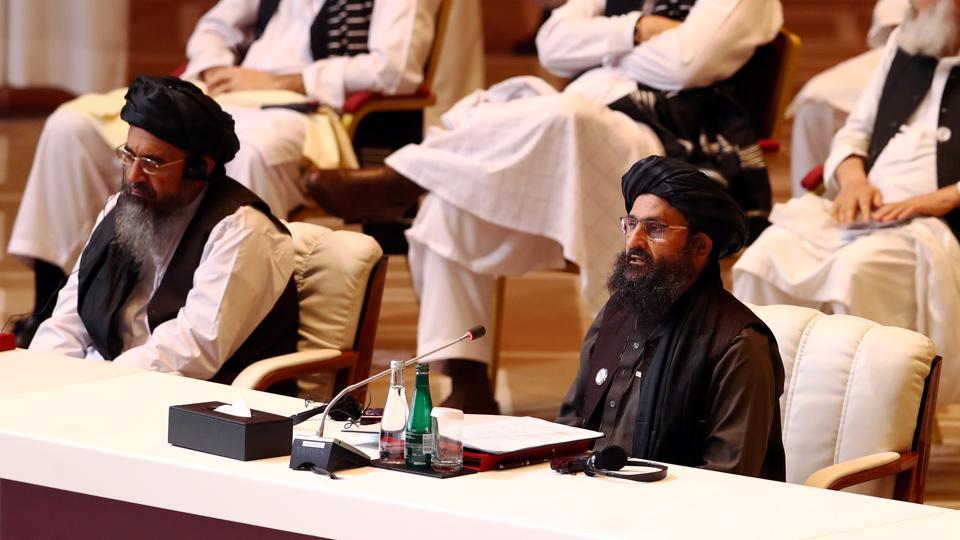
“There is no ambiguity on the Indian position vis-à-vis engagement with Afghan parties as Indian delegation sat on the same table as the Afghan government as well as the Taliban. The host nation Qatar could have only made this possible after talking to all principal stake-holders in the Afghan dialogue, ” said a senior official.
Pakistan is understood to have conveyed its concern over an Indian role at Doha to the parties concerned as Indian participation is now not restricted to only Kabul, instead New Delhi is a legitimate stake-holder in Afghan peace and reconciliation process.
Over the past decade, New Delhi was reluctant to engage with the Taliban but with external affairs minister S Jaishankar himself addressing the inaugural session, this ambiguity has been removed with India ready to talk to both sides. An ultra-conservative Sunni movement, the Taliban leadership is based in Quetta across the Bolan Pass, and its deputy leader Sirajuddin Haqqani leads the proscribed Haqqani Network. Taliban leader Mullah Haibatullah Akhundzada is a cleric and Haqqani is the sword arm of the insurgent group.
Zalmay Khalilzad, the US Representative for Afghan Reconciliation, is meeting external affairs minister Jaishankar around 3.30 pm today to brief the Modi government about the way forward to the Afghan peace, elections and the expectations from India. A Pashtun himself, Khalilzad will be arriving from Islamabad.
Addressing the inaugural session, EAM Jaishankar had advocated for a ceasefire between warring parties in Afghanistan and sought commitment from both Afghan government and the Taliban representative that Afghan soil would not be used for anti-India activities. The second part referred to the presence of Pakistan based Jaish-e-Mohammed and Lashkar-e-Tayyeba terrorist training camps across both Khyber and Bolan pass.
Also Read: Seize the opportunity, says UK on Afghan-Taliban peace talks
While India understands the US desire to get out of Afghanistan after 19 long years of counter-insurgency and policing, it is concerned about the rise in violence once the Americans exit out of Kabul with only a representative force of 4,700 available after elections.
However, the positive sign in Doha was the presence of both Afghan Government and the Taliban on the same table and the willingness to talk with each other. This raises hopes that Taliban may take the election route this time and not go for military take-over of Kabul once the US exits.


