
 E-Paper



India successfully tests K-4 nuclear-capable missile from INS Arighaat
The Indian Navy successfully tested the K-4 ballistic missile from the INS Arighaat submarine, enhancing India's nuclear deterrence capabilities.

 Prefer HTon Google


The Indian Navy on Thursday successfully conducted a test firing of the 3,500 km-range K-4 ballistic missile from its newly inducted nuclear-powered submarine, INS Arighaat. The test, conducted in the Bay of Bengal, marks a significant milestone in India’s defence capabilities, particularly in enhancing its nuclear deterrence and validating the country’s second-strike capability.
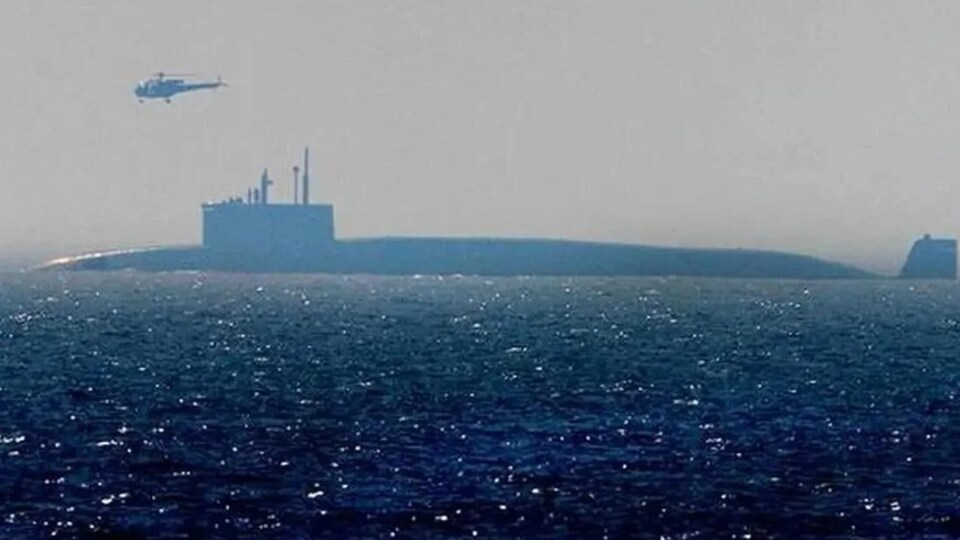
Defence sources told news agency ANI that the test results are being carefully analyzed. Following this, briefings will be provided to the top military and political leadership to assess the missile's performance. This trial is crucial for strengthening India’s nuclear triad, ensuring the country's ability to retaliate in the event of a nuclear attack.
K-4 Ballistic Missile
The K-4 ballistic missile, designed to be launched from underwater platforms, is a key asset in India's arsenal. The Defence Research and Development Organisation (DRDO) had previously conducted extensive trials to prepare the missile for its full-range test, ensuring that it meets the stringent operational standards required for such strategic weapons.
The successful test adds to the operational readiness of INS Arighaat, which was commissioned into the Indian Navy just months ago in August 2024. The submarine was inducted at the Vishakhapatnam-based Ship Building Centre and boasts advanced technology, including a more powerful missile system than its predecessor, INS Arihant.
The INS Arighaat is fitted with K-4 missiles capable of striking targets at distances over 3,500 kilometers, far surpassing the range of the K-15 missiles on INS Arihant, which has a strike range of around 750 km. This upgrade makes INS Arighaat a formidable addition to India’s nuclear-powered submarine fleet, providing the country with greater flexibility and strength in its strategic defense posture.
India's nuclear submarine
India's nuclear submarine fleet includes the INS Arihant, the first indigenously built nuclear-powered ballistic missile submarine, which was commissioned in 2018. The third vessel in this class is also set to be inducted into the Navy next year, further bolstering the nation’s deterrence capabilities.
Defence Minister Rajnath Singh, while commissioning INS Arighaat, highlighted that the submarine is a testament to India’s technological prowess and the 'Aatmanirbharta' initiative of the government.
The construction of INS Arighaat involved the use of advanced design and manufacturing technology, detailed research and development, utilisation of special materials, complex engineering and highly skilled workmanship.
It has the distinction of having indigenous systems and equipment that were conceptualised, designed, manufactured & integrated by Indian scientists, industry and Naval personnel.
The technological advancements undertaken indigenously on this submarine make it significantly more advanced than its predecessor, Arihant. The presence of both INS Arihant and INS Arighaat will enhance India's capability to deter potential adversaries and safeguard its national interests.


