
 E-Paper



Interfaith marriage a matter of personal liberty, says Delhi HC on couple’s petition
The couple stated that they had solemnised their marriage after a relationship of over seven years but were facing strong opposition from the woman’s family

 Prefer HTon Google


New Delhi: An individual’s choice to marry someone from a different faith is safeguarded under the fundamental right to life and personal liberty, even if it challenges social norms and family expectations, the Delhi high court has observed on a petition by an interfaith couple.
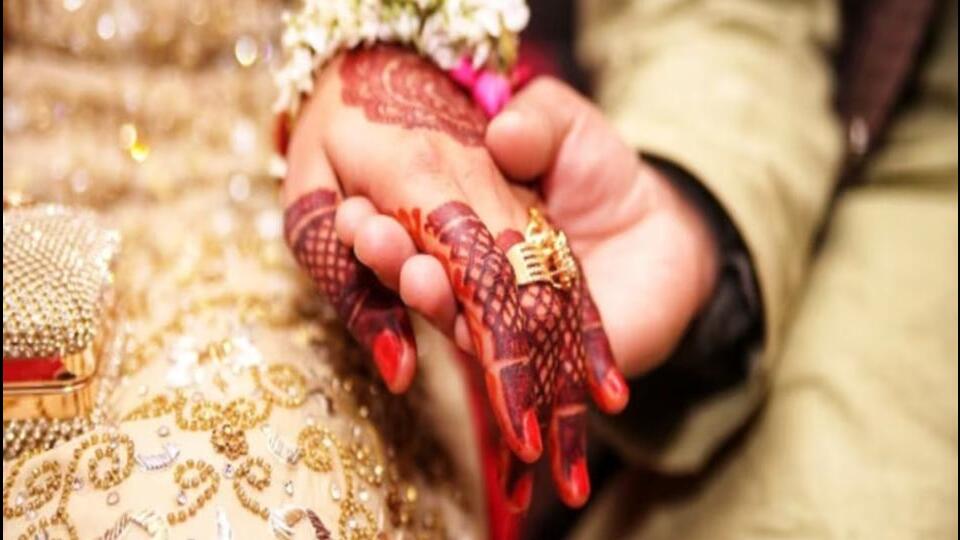
The court also ordered the city police to submit a report on allegations that police officers forcibly separated the couple in July and detained the woman at a state-run shelter home. The Delhi police, which was told to ensure the couple’s safety at its hearing on July 25, has been asked to continue providing them with police protection.
A bench of justice Sanjeev Narula heard the matter on August 8, following a plea filed last month by a 26-year-old Muslim man and a 25-year-old Hindu woman.
In their petition, the couple stated that they had solemnised their marriage after a relationship of over seven years but were facing strong opposition from the woman’s family. They added that although they had written to the Deputy Commissioner of Police (DCP), South-East district, on July 23 requesting police protection, the police had forcibly separated the woman from her husband and detained her at Nirmal Chhaya Shelter Home on July 24.
The police maintained that no coercion, unlawful action, or procedural lapse had taken place.
Noting the couple’s allegation of being forcibly separated, the court directed the DCP to submit a report on whether any unlawful separation had occurred and to identify the officer responsible, if any.
Also read: Can’t jail someone for interfaith union: SC bail for Muslim man
The plea further said that the woman had taken the decision to marry voluntarily, without any coercion.
The court directed the Delhi Police to continue providing them protection and accommodation in a safe house until they solemnise their marriage under the Special Marriage Act.
Meanwhile, the father’s lawyer asserted that his client was deeply troubled by the fact that his daughter had taken the decision to marry the man without his consent. He further submitted that he was concerned for his daughter’s welfare.
The bench said that a parent’s anguish over their daughter choosing her life partner without consultation cannot eclipse the right of an adult to choose a life partner, since Article 21 of the Constitution safeguards an individual’s right to marry a person of one’s choice.
Also Read: ANiS launches intercaste and interfaith marriage bureau
“The constitutional guarantee under Article 21 enables every adult citizen [to] shape the course of their own life, free from fear, coercion or unlawful restraint. The choice to marry, especially across lines of faith, may test the resilience of social norms and familial expectations, yet in law, it remains a matter of personal liberty and individual autonomy, immune from any external veto. While the anguish of a parent is understandable, it cannot eclipse the rights of a major to select their life partner,” the court said.
“The Court is mindful of the anguish of the girl’s father, who opposes the relationship on grounds that he perceives as legitimate and rooted in his concern for his daughter’s welfare. However, upon attaining the age of majority, the right to make decisions regarding marriage becomes the individual’s personal prerogative. Parental preference, however well-intentioned, cannot legally override that autonomy,” it added.
The matter will be next heard on September 12.


