
 E-Paper



'Intolerance' driving the killings in Kashmir, says RSS leader over Pahalgam terror attack
The deadly terrorist attack in Baisaran near Jammu and Kashmir's Pahalgam left 26 people, mostly civilians, dead.

 Prefer HTon Google


A day after a terror attack in Pahalgam killed 26 people, Rashtriya Swayamsevak Sangh (RSS) joint general secretary Krishna Gopal on Wednesday said that a form of "intolerance" was behind the killings in Kashmir.
Speaking at an event in Mumbai, Gopal said that the same intolerance will also result in the downfall of the those who promote it. He added that such elements set out to harm those who do not agree with their beliefs, a news agency PTI report said.
"A form of intolerance is driving the killings in Kashmir. One day, this intolerance will also lead to their (the ones who promote it) downfall," Gopal said. He further added that this intolerance develops into a sort of nationalism and has divided people across the globe.
ALSO READ | Pahalgam terror attack: Survivor reveals how chanting ‘Kalima’ saved his life
"Nationalism has become very dangerous in Pakistan. The Baluch people say they do not want to live in Pakistan, Sindhi people say they do not want to live with Punjab. At the time of the creation of Bangladesh, they had said they were Bangla-speaking people, thus they could not live with Pakistan," the RSS leader said.
Gopal said that such kind of nationalism was the reason behind people being divided in Europe, adding that Rabindranath Tagore called it the worst word to be coined by the human brain.
Contrasting this concept with that of India's "Rashtra" concept, Gopal said that the Indian context is based on spiritual and cultural unity despite the nation's such vast diversity.
ALSO READ | India takes 5 big actions against Pakistan over Pahalgam attack
"Hundreds of languages, religions and lakhs of goddesses exist. But India is one...Diversity...has been managed successfully. Once we understand it, you will understand our concept of Rashtra," he added.
He also referred to the recently held Maha Kumbh Mela and termed it as a demonstration of India's spiritual unity. While criticising a "materialistic approach" to the event, Gopal said, "It would happen even without a government."
The RSS leader further said, "They study how many people came, how many new bridges were built, rise in power generation, garbage, hotels, trains, flight, revenue, toilets, new electricity poles...If you want to understand Kumbh, study an 80-year-old woman from Tamil Nadu carrying her clothes in a basket over her head, or speak to the 85-year-old man taken there by his two sons. These people will tell you about its spirit."
ALSO READ | Pahalgam terrorist attack: These are the suspects in the deadly strike that killed 26
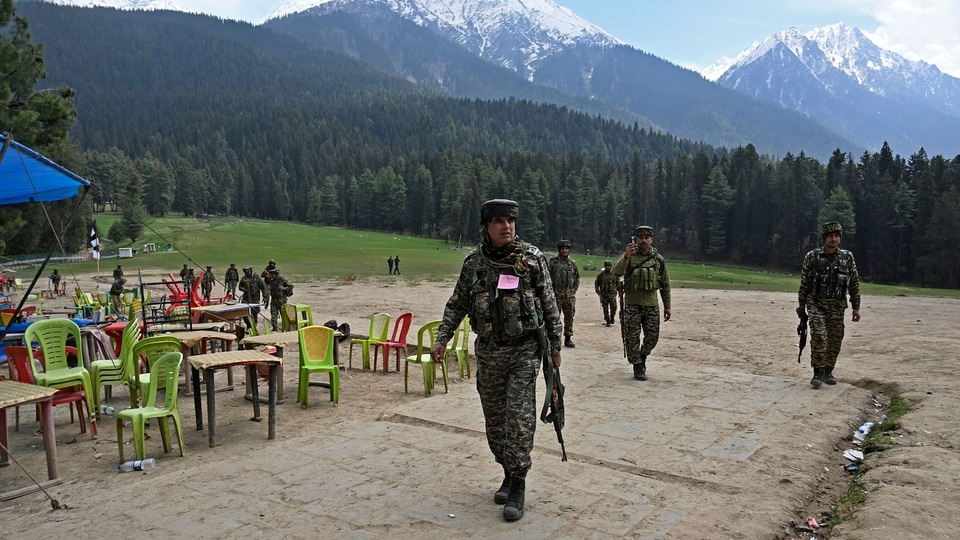
Terrorists came down the hills in Baisaran, a picturesque tourist spot in Pahalgam, which is also known as 'mini Switzerland', and began firing at tourists present there on Tuesday. The deadly attack left at least 26 people dead, mostly civilians.
Prime Minister Narendra Modi, who was on a state visit to Saudi Arabia, cut short his trip and returned to India early on Wednesday morning. He chaired a meeting of the Cabinet Committee on Security (CCS), which later announced five major punitive actions against Pakistan in response to the terror attack.
The actions include putting in abeyance the Indus Waters Treaty, closing the integrated check post at the Attari border and cutting down the overall strength of the high commissions.


