E-Paper



Kuno National Park to get long-awaited cheetahs from Africa on August 13
The translocation of African Cheetah is a part of India’s plan to reintroduce the fastest land animal after extinction of the Asiatic cheetah in the 1950s

 Prefer HTon Google


BHOPAL: Madhya Pradesh’s Kuno National Park is likely to receive its long-awaited cheetahs on August 13, people familiar with the matter said. Twelve cheetahs in South Africa and eight in Namibia are already in quarantine, and between four and eight are likely to arrive in the first tranche.
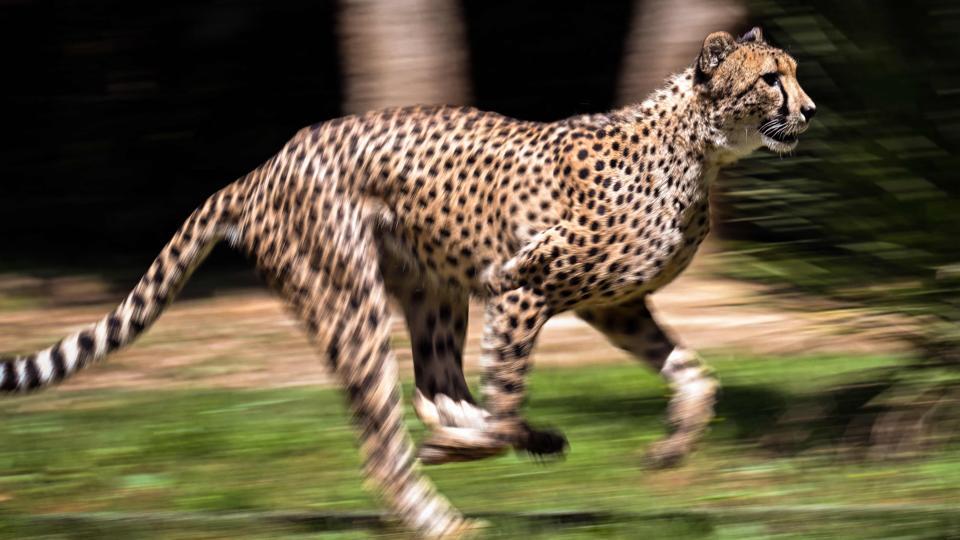
The translocation, described as the world’s largest intercontinental animal translocation, comes 70 years after the last surviving cheetah in India was recorded to have been hunted down in Chhattisgarh in 1952.
The park, originally developed to be the second home for Asiatic lions in India besides Gir, was selected as a habitat for the African cheetah by a Supreme Court-mandated expert committee in January 2021.
Madhya Pradesh forest officials said that they have been informed that it is possible that Prime Minister Narendra Modi may also arrive at the Kuno National Park on August 13.
South African officials, however, said they were waiting to make an official announcement regarding the schedule because an official memorandum of understanding was yet to be signed, but it was likely to be done before August 12. The Indian government signed a memorandum of understanding with Namibia last month in Delhi.
South African cheetah expert Vincent Van Der Merwe said, “Cheetahs have been vaccinated against all the viral diseases. In South Africa, seven male cheetahs and five female cheetahs, all in prime breeding age, are at two quarantine centres. As per the plan, the cheetahs from South Africa will be tranquilised on August 12 morning. The animals will be flown from OR Tambo Airport in Johannesburg on August 12 and will reach India on August 13. The cheetahs from Namibia will be flown to South Africa and then to Delhi, India. An expert veterinarian will travel with a cheetah.”
Authorities at the Kuno National Park said they have taken steps to prepare for the cheetahs except for the presence of three leopards who need to be taken out of the enclosure built for the cheetahs.
Cheetahs often die in conflict with leopards in South Africa. The cheetah, the fastest land animal on the planet, is the smallest in the big cat family, and often fails to save its prey from the bigger species.
JS Chauhan, principal chief conservator of forest (PCCF), wildlife, said shifting out the leopards had become a top priority because of the approaching date.
“We were trying to shift leopards naturally but now our priority is to shift them as soon as possible. The trap has been installed but leopards are escaping... Now, the forest official will tranquilise the animal to remove it from the enclosure spread across 500 hectares. Other preparations including the arrangement of water and shifting of prey base of at least 100 deer have also been finalized,” he said.
Adrian Tordiffe, a scientist at the University of Pretoria, which is leading the effort to translocate the cheetahs to India said, “All the preparations have been completed in South Africa and we are just waiting for the MoU to be signed. A meeting was held on Thursday to discuss it. The MoU is with the president of South Africa. If all goes well, India will get 12-18 cheetahs but if the signature on the MoU is delayed, Namibia will send 4-8 cheetahs on August 12. To reduce the journey time to 15 from 18 hours, Johannesburg has been made central point. Cheetahs from both South Africa and Namibia will travel to Delhi from Johannesburg,” he added.