E-Paper



Large wildlife habitat worldwide likely to be hit by extreme weather by 2050: Study
Large wildlife habitats to face heatwaves, fires, floods by 2050, according to a new paper in Nature Ecology and Evolution.

 Prefer HTon Google


Large areas of wildlife habitat worldwide are likely to be hit by multiple extreme weather events by 2050, according to a new paper in Nature Ecology and Evolution — with the scale of impact determined, in large part, by how quickly the world cuts emissions.
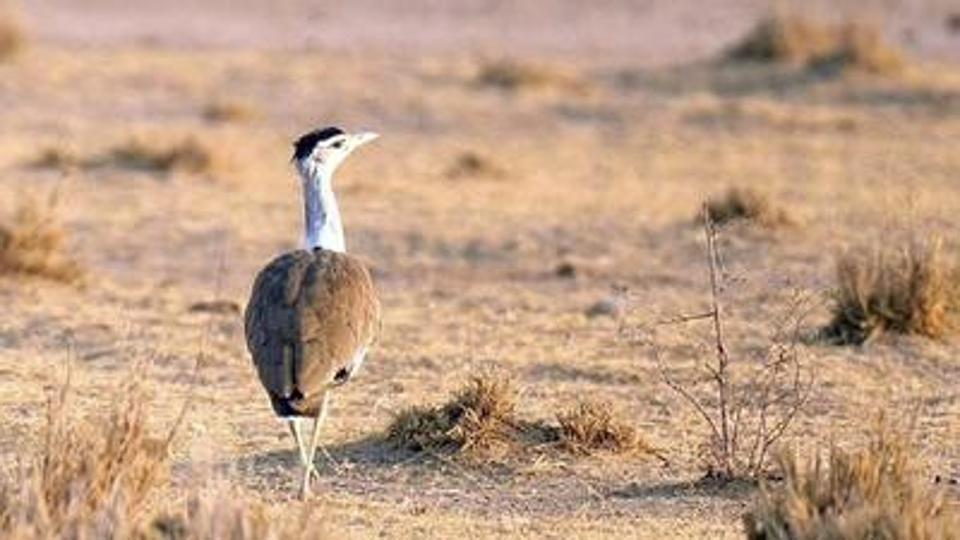
Using climate impact projections and species range data, scientists modelled changes in exposure to droughts, heatwaves, river floods and wildfires for 33,936 terrestrial vertebrate species across 794 ecoregions. By 2050, under a medium-high emissions scenario, an average 74% of the area within species’ current geographic ranges is projected to be exposed to heatwaves, 16% to wildfires, 8% to droughts and 3% to river floods. Species-rich areas in the Amazon basin, Africa and Southeast Asia are among the most exposed.
The compounding of these events is where the real danger lies. A single heatwave, flood or fire can devastate animal populations; when multiple extreme events follow one another, their effects on species and habitats multiply. The 2019–20 heatwaves in Australia killed more than 72,000 flying foxes. That same year, wildfires in the Pantanal killed an estimated 17 million vertebrates. Studies of the 2019–20 Australian fires found 27–40% greater declines in plant and animal species in areas that had experienced a drought immediately beforehand. A review of 519 studies found that 57% documented negative responses to extreme events, including 100 cases of population decline exceeding 25% and 31 records of local extirpation.
By 2050, 22 ecoregions — primarily in mid-latitudes — are projected to have at least half their area exposed to two or more types of extreme events. By 2085, that figure rises to 236 ecoregions, with 36% of species’ range areas exposed to multiple event types.
Rapid emissions cuts could still largely prevent this trajectory. In a scenario where warming begins to reverse in the latter part of the century, habitats exposed to multiple extreme event types by 2085 would be limited to just 9%.
“Climate change, and in particular extreme events, are still really being underestimated when it comes to conservation planning. It’s not just going to be a gradual shift of temperature over many years,” said lead author Stefanie Heinicke, a postdoctoral researcher at the Potsdam Institute for Climate Impact Research. The paper was co-authored by researchers from Karlsruhe University of Applied Sciences, Universidad del Rosario in Bogotá, the University of Tokyo and several other institutions.
The researchers drew on climate impact simulations from the Inter-Sectoral Impact Model Intercomparison Project and species data from the IUCN Red List of Threatened Species, the Global Assessment of Reptile Distributions and BirdLife International.