E-Paper



Leave Ukraine for now, India to students amid Russian troop buildup at borders
An Indian embassy advisory asked Indian nationals, particularly students whose stay isn’t essential, to consider leaving the country. There are more than 20,000 Indians in Ukraine, 18,000 of them students.

 Prefer HTon Google


India on Tuesday asked its nationals in Ukraine to “consider leaving temporarily” and to avoid all non-essential travel within the eastern European country against the backdrop of heightened tensions over a buildup of Russian troops on the borders.
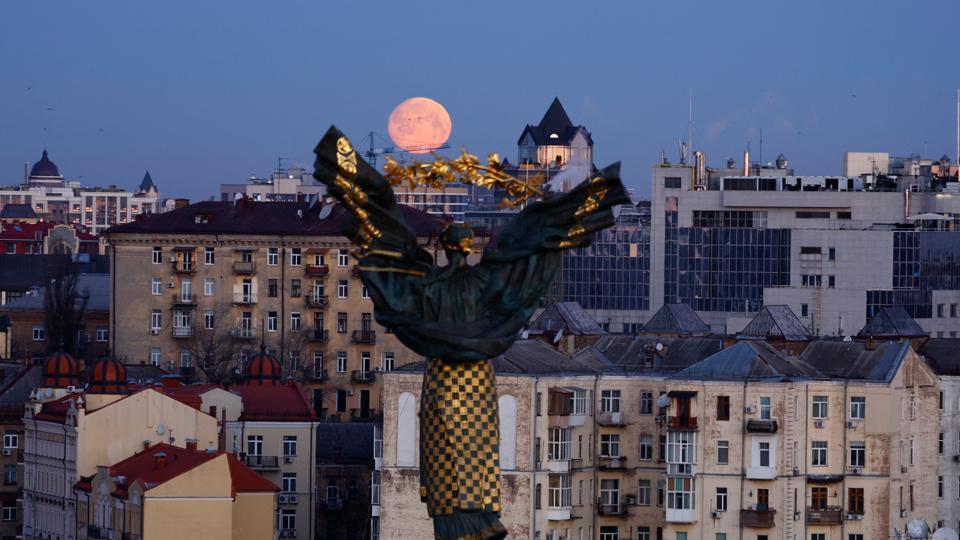
There are more than 20,000 Indians in Ukraine, including some 18,000 students. Some of the students have expressed concern about the uncertainty prevailing in Ukraine during recent interactions with Indian TV news channels.
A statement issued by the Indian embassy in Kiev said: “In view of the uncertainties of the current situation in Ukraine, Indian nationals in Ukraine, particularly students whose stay is not essential, may consider leaving temporarily.” It added, “Indian nationals are also advised to avoid all non-essential travel to and within Ukraine.”
The statement called on Indian nationals to keep the Indian embassy informed about the “status of their presence in Ukraine to enable the embassy to reach them when required”. The embassy “continues to function normally to provide all services to Indian nationals in Ukraine”.
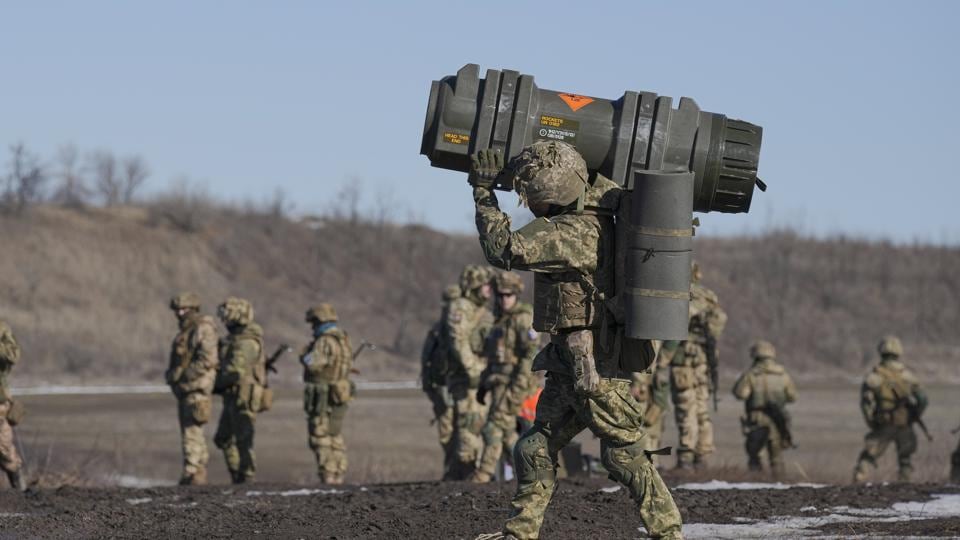
India has refrained from criticising Russia’s actions along the border with Ukraine in view of the close strategic relations between New Delhi and Moscow. However, it has called for a peaceful resolution of the situation in Ukraine through sustained diplomatic efforts.
Also Read: UN chief expresses concern over Russia-Ukraine crisis, says ‘diplomacy the only way’
US officials have repeatedly warned in recent days that Russia could launch an invasion of Ukraine as soon as this week, but have held out the hope that diplomacy will be able to find a solution. Secretary of state Antony Blinken has said the US is closing its embassy in Kiev and relocating the remaining diplomatic personnel to the city of Lviv.
US President Joe Biden spoke with Russian President Vladimir Putin over the weekend but there was no breakthrough. The White House continued to pin its hopes on diplomacy but said on Monday that the build-up of Russian troops on the borders of Ukraine was impeding de-escalation.
“We are actively working to reach a diplomatic solution to de-escalate the crisis,” White House spokesperson Karine Jean-Pierre said in response to a question about Russian foreign minister Sergey Lavrov’s remarks that the window for diplomacy has not closed.
Kremlin spokesperson Dmitry Peskov said Putin has been seeking negotiations but has also sought guarantees for the security of Russia. “And Ukraine is just a part of the problem, it’s a part of the bigger problem of security guarantees for Russia and of course, President Putin is willing to negotiate,” he told CNN.