
 E-Paper



Legal experts divided over plans to conduct simultaneous elections
Former judges and constitutional experts are divided over the proposal to hold concurrent elections to state assemblies and Parliament


Former judges and constitutional experts are divided over the proposal to hold concurrent elections to state assemblies and Parliament, with one section saying it aligns with constitutional principles while the other warn of potential threats to democracy.
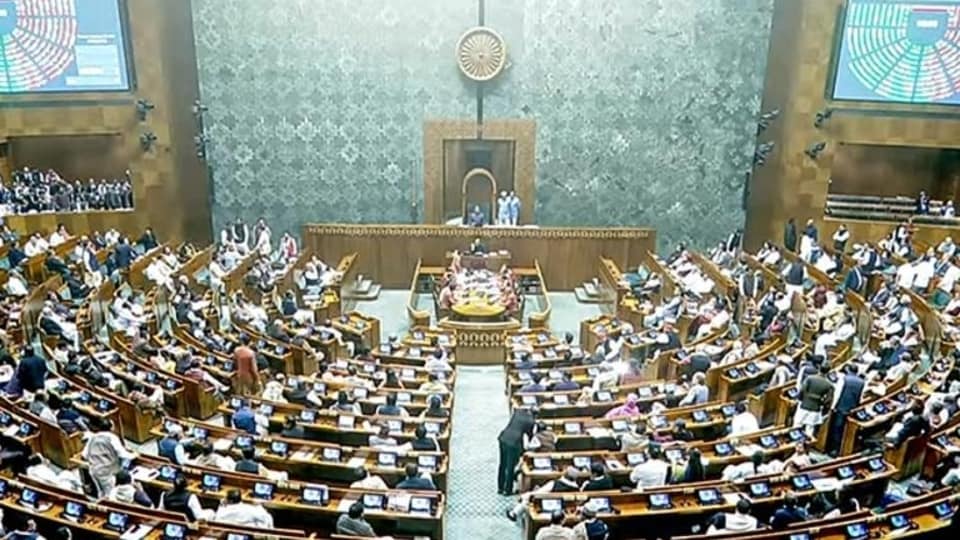
The Constitution (One Hundred and Twenty-Ninth Amendment) Bill 2024 proposes simultaneous elections for the Lok Sabha and state assemblies with a fixed five-year tenure. If any assembly is dissolved during this period, mid-term polls would be held only for the remaining term.
“The objective of holding simultaneous elections seems to be correct. Personally, there is nothing wrong with it,” former Supreme Court judge Ajay Rastogi said. Referring to India’s electoral history, he pointed out that simultaneous polls were the norm in the decades after Independence.
“Constitution only envisages there should be elections. Whether it must be simultaneous or at different points of time, is not specified. This will give more time for governments to focus on development, infrastructure and welfare activities that can take the country forward,” Rastogi said.
He addressed concerns about the current electoral pattern where state elections draw national leaders for campaigns. “By holding simultaneous elections, top party leaders will not be going to every state. You must balance the demand of people with the interest of economy and development. Interest of the nation is paramount, which should not be sacrificed. After all, laws are made to make life of common man comfortable and hassle-free.”
Senior advocate and constitutional expert Rakesh Dwivedi supported this view. “We should not become a nation of elections. There are practical problems in holding elections throughout the year. These issues have been addressed by this law,” he said.
Dwivedi dismissed concerns about constitutional challenges. “ This bill certainly does not destroy or abridge the basic structure of the Constitution. It preserves federalism and democracy as the five-year tenure of assembly and the holding of separate election, remain preserved.”
However, senior advocate Gopal Sankaranarayanan warned of potential misuse. “The idea seems to be to avoid inconvenience to voters and save money as any election entails expenditure. But we have survived for 75 years. It is not practical to hold simultaneous elections. I do not understand the need for doing so.”
He outlined specific concerns about federalism. “If there is only one election to be held in five years, what do you do if suddenly you find a hung assembly and the Centre imposes President’s Rule in a state that continues for 3 to 4 years? It could become a device for the Centre to run the state.”
Justice Rastogi called for careful consideration of the proposal. “There should be a healthy discussion on this law as the consequences may be drastic. The question is how long simultaneous elections can continue. Suppose if you hold simultaneous elections that may take roughly three months, everything will come to a standstill.”


