E-Paper



Madhya Pradesh: Thousands who lost one parent left out of Covid relief after tweak
The change in the scheme’s contours has left many aggrieved families even more desperate with the mother of a 12-year-old boy from Gwalior telling HT that she “blamed herself” for surviving Covid-19.

 Prefer HTon Google


Till April this year, the lives of the two sisters were the definition of comfortable. One sister, 10, studied in an international school in Indore. The other, 19, was a B Tech student at an engineering college in the city. They shared a dream, to emulate their father’s career as a software engineer. That was until April 29, when their father, the only earning member of the family died of Covid-19. Their mother, 50, slipped into depression, and they now live with their elderly grandfather in a home, for which rent has not been paid for three months. The savings the family has are being used for ration and supplies. But there was one thin glimmer of hope: a government scheme that promised children who lost even one parent to Covid-19 a monthly pension of ₹5,000 till they turned 21, free ration and importantly, free education.
Then, that door too shut.
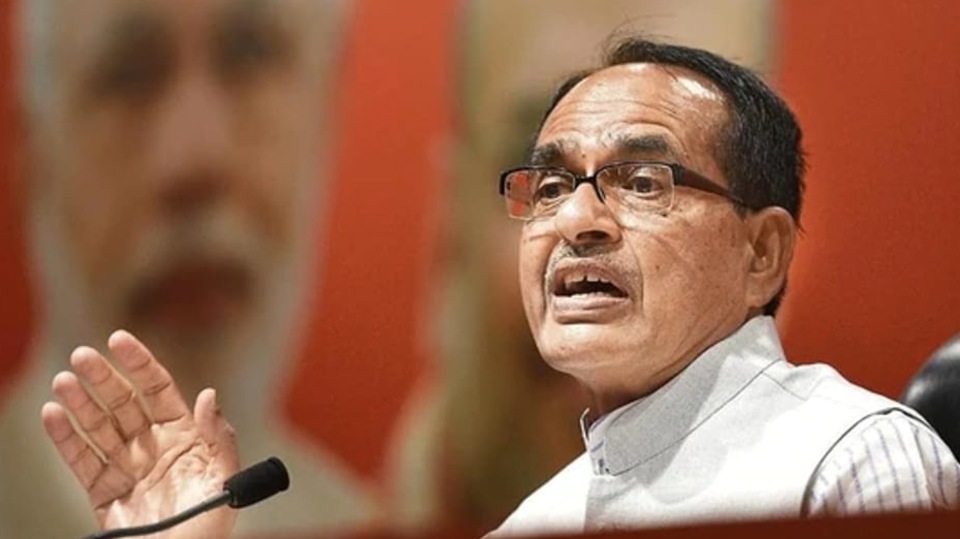
On May 13, Madhya Pradesh chief minister Shivraj Singh Chouhan, announced the Mukhyamantri Covid -9 Jan Kalyan Scheme, which promised financial aid to children who lost a parent (or both) to the pandemic. The original draft of the scheme says children in families that lost earning members are eligible for the scheme.
But months later, both sisters from Indore have found themselves outside the ambit of the scheme because of a change in the definition of the beneficiaries in the final version of the scheme. “The draft of the scheme, which was approved by the cabinet, includes only orphans under the Covid-19 Bal Seva Scheme. Point number 4.4 of the form, which made single-parent kids eligible for benefits has been removed,” a senior official from the Woman and Child Department (WCD) said on condition of anonymity.
The reason for the change, officials said, was in the numbers. Orphans that lost both their parents that applied under the scheme totaled 1,001. The number of children that applied who lost one parent? Over ten thousand. “We simply don’t have the budget to cover this,” said the official.
The state has since suggested that these 10,000 children can apply under the decade-old Foster Care and Sponsorship Scheme, under which recipients get a monthly aid of ₹2,000. Yet here too, there is a catch. The scheme, originally introduced to help abandoned children, only allocates ₹10 lakh per year as an additional budget per district. Within that allowance, a district department can only take care of forty children per district, leaving out the vast majority.
The change in the scheme’s contours has left many aggrieved families even more desperate with the mother of a 12-year-old boy from Gwalior telling HT that she “blamed herself” for surviving Covid-19. “My son was studying in a reputed school but I lost my husband to Covid in May. My husband was a manager in a factory, and earned between sixty to seventy thousand rupees a month. I am a housewife and now, I don’t have money to pay the fees for my son. Now, I am cursing myself. Because I am alive, my son has to forego financial aid.”
Government officials across districts have been taking steps to mitigate the situation. In Indore, where 330 such single parent children have been identified, the district collector Manish Singh and MP Shankar Lalwani have announced a waiver of school fees. Shruti Garg, 37, a mother of two girls (5 and 10) welcomed this relief, but called it “temporary”. “The school administration has clearly said that they won’t waive off fees for the next academic session. My husband had a transport business and earned around ₹50,000 a month.”
WCD officials and child welfare committee members are contributing what they can from their personal incomes “ but we can’t pay them for years,” said a CWC member from the Mahakaushal region. “The state should come up with a specific plan for this.”
WCD commissioner Swati Meena Naik said, “This is true that we have focused only on 1,001 orphaned children as they were highly vulnerable, and could have been trafficked and illegally adopted. During this second wave, we saw floods of messages where people were asking for help.”
Naik said that the department is developing a portal that would seek sponsorship from around the world for the other children.
Child rights activists believe the key is to focus on providing jobs. “The state removed the provision of helping single-parent kids because of high numbers of beneficiaries but they should also think of providing jobs to the single parent, mainly mothers, so that they can run the house effectively without anyone’s support,” said activist Prashant Dubey.