
 E-Paper



Makar Sankranti and kite strings: Land mines around feathered friends
As residents celebrated Makar Sankranti, flying colourful kites on their terrace and balconies, the cases of bird injuries and deaths by Chinese manja shot up.


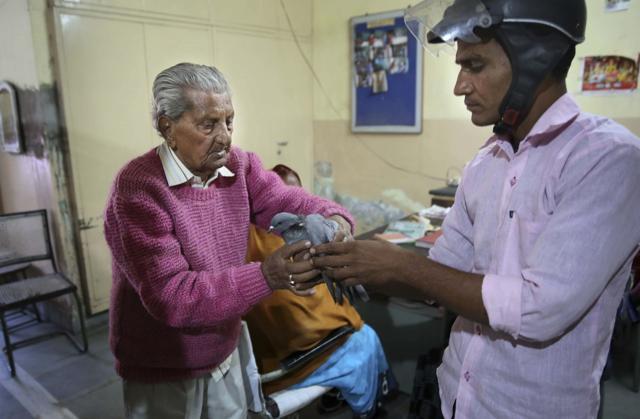
The dustbins at Rajasthan’s oldest bird hospital in Jaipur are brimming with that similar but unusual element -- an entangled mass of manja (a glass coated thread used to fly kites).
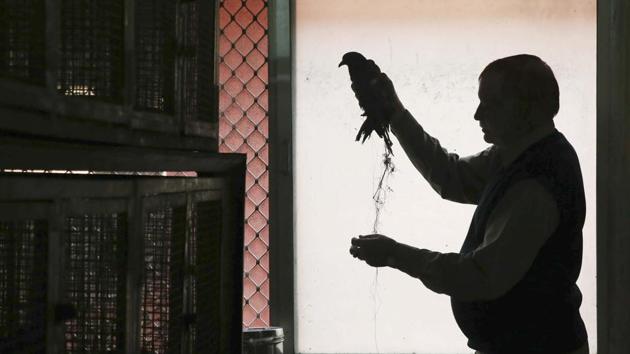
As residents celebrated Makar Sankranti, flying colourful kites on their terrace and balconies, the cases of bird injuries and deaths by Chinese manja shot up.
The hospital with 83 wards, established around 1950 and run by Sthanakwasi Shrawak Sangh, opened its doors 24x7 in the week surrounding the festival.
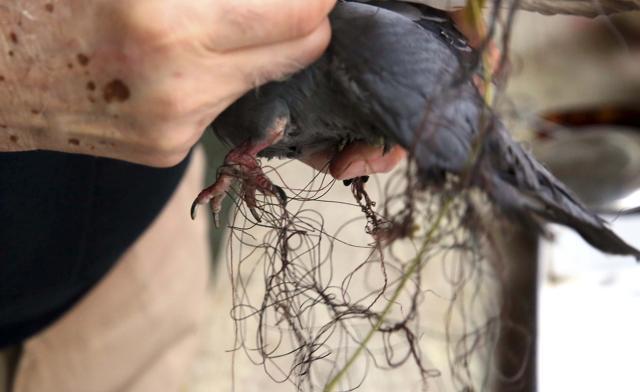
Numerous NGO’s set camps to treat injured birds, the police department issued orders prohibiting use of manja and the National green Tribunal (NGT) banned sale and use of any harmful coated thread for flying kites. Yet, the rush of concerned citizens carrying pigeons, crows, parrots, barn owls, doves, egrets and even peacocks entangled in manja for treatment does not seem tom stop.
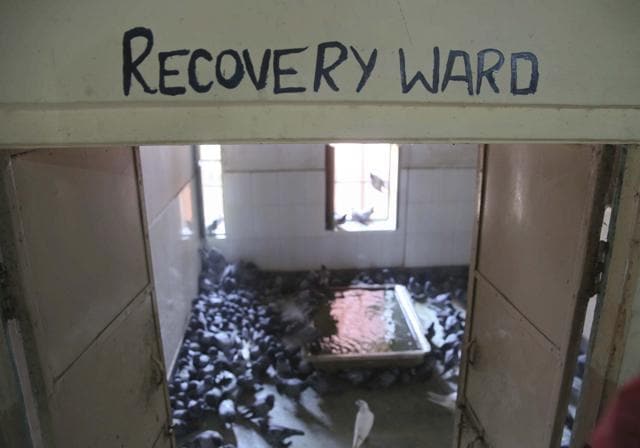
The caretaker at the hospital, Ramesh Verma, informed that around 500 birds were brought to the hospital in November and December. This number shot up to more than a 1,000 in January.
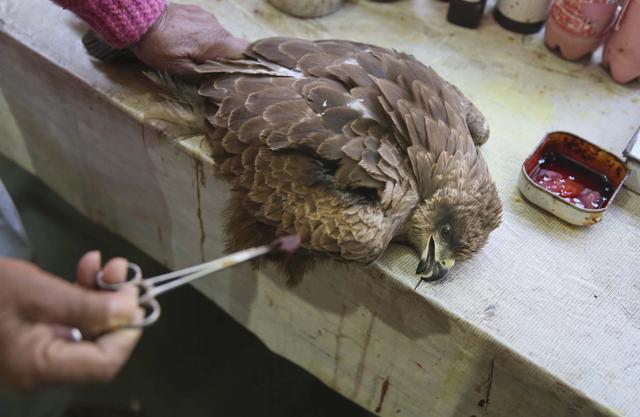
The casualties remain high even during February, long after the festival is over. Reason: Look out your window and you will see the same dangerous manja still strewn across tress, rooftops, poles and power lines -- all places frequented by our feathered friends.
“It is the responsibility of municipality officials and each and every citizen to free the city of manja,” said Rohit Gangwal, president of RAKSHA -- an organisation which released about 90 cured birds of various species last week.

The NGT banned the use of glass-coated manja for flying kites in December but the sharp string continue to be sold. PETA has said manja poses a grave threat to humans and animals as every year a number of deaths are caused by it. It also poses a huge threat when it comes into contact with live overhead electric wires, leading to grid failure.


