
 E-Paper



Mumbai mayor to be woman: How the quota lottery works, why Uddhav's Sena is upset | Explained
Before the political parties name their candidates, the eligibility of the candidate is decided based on reservation by rotation.

 Prefer HTon Google


Mumbai's next mayor is set to be a woman from the General category, as per a lottery held on Thursday amid the opposition's allegations that the procedure was “fixed” to suit the state's ruling parties BJP and Eknath Shinde's Shiv Sena.
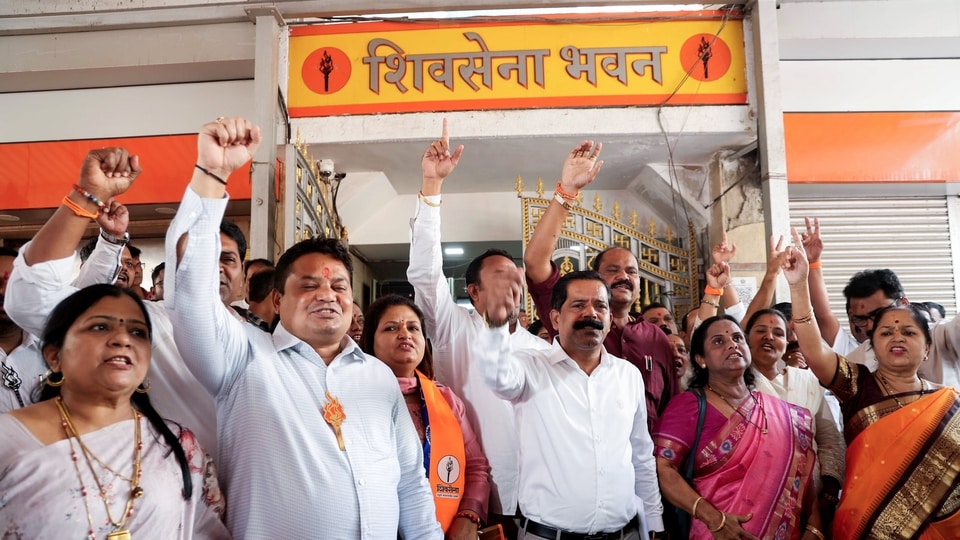
Former CM Uddhav Thackeray's Shiv Sena (UBT) raised objections to the process and alleged that the reservation was rigged, HT has reported. The Sena-UBT had hoped that the post would be reserved for Scheduled Tribes (ST), as both eligible candidates in that category belonged to Uddhav Thackeray's party.
Also read | Why Mumbai, Pune mayor posts are reserved for women
How draw work for mayor posts in Maharashtra
In Maharashtra, mayors are elected by the corporators, and the eligibility is decided by a reservation by a draw-based system. Before the political parties name their candidates, the category of candidates is decided based on this reservation.
The mayor's post is re-allotted every 2 and a half years through a lottery that includes general and reserved categories.
As per the law, the mayor's post must be reserved by draw-based rotation for Scheduled Castes, Scheduled Tribes, Other Backward Classes and women.
Once the reservation category is declared, the ruling and opposition party file their mayoral nominations.
While multiple candidates may contest, a candidate needs a minimum of 114 votes to be elected. This is an absolute majority in the 227-member House.
The elections are overseen by the seniormost member of the House, who also acts as the presiding officer.
Following the nominations, the candidate is given a window of 15 minutes to withdraw their nomination.
Also read: Raigad-Pen Growth Centre will be first city in Third Mumbai: CM
The election process of the mayor is done openly, in which all corporators publicly declare for whom they are voting.
This year, the draws of the Mumbai mayor decided that the next mayor will be a woman from the General category.
Eight other civic bodies, including Pune, Dhule, Nanded-Waghala and Navi Mumbai, will also have women mayors from the general category.
Thane will have a mayor from the Scheduled Caste category, while Jalgaon, Chandrapur and Ahilyanagar will have women mayors from the OBC category.
The lottery this year was conducted by the State Urban Development Department and chaired by Madhuri Misal, minister of state for the department. The lottery was done for the mayoral posts in Mumbai and 28 other civic bodies.
Shiv Sena (UBT) leader and former mayor of Mumbai, Kishori Pednekar, opposed the lottery procedure, claiming that the rules were changed without informing anyone. She said the last two city mayors were from the general category, so the new mayor should have been from the Other Backwards Classes (OBC).
Responding to the allegations of fraud, Madhuri Misal, minister of state, who chaired the draw process, said the government had taken note of the objections. However, she dismissed Sena (UBT)'s claims, stating that they lacked substance.
In the January 15 elections, the BJP won 89 seats in the BMC while Shiv Sena, led by Deputy Chief Minister Eknath Shinde, secured 29, leading the alliance to cross the halfway mark of 144 required to control the civic body.


