
 E-Paper



Naga tribal bodies shut down government machinery seeking CM’s resignation
They are seeking the resignation of chief minister TR Zeliang for deciding to hold elections to urban local bodies (ULBS) with 33% seats reserved for women.


Tribal organisations in Nagaland started their complete shutdown of government machinery across the state from Monday seeking the resignation of chief minister TR Zeliang for deciding to hold elections to urban local bodies (ULBS) with 33% seats reserved for women.
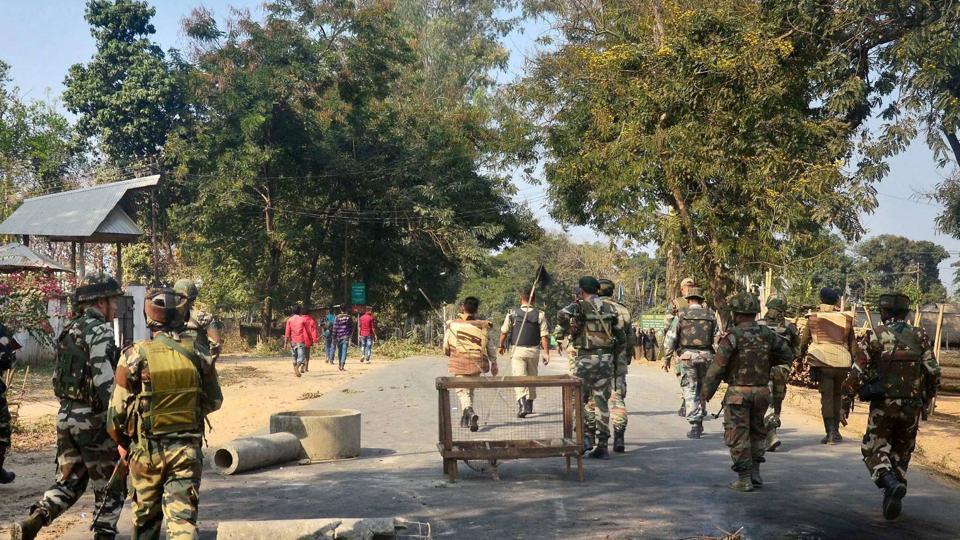
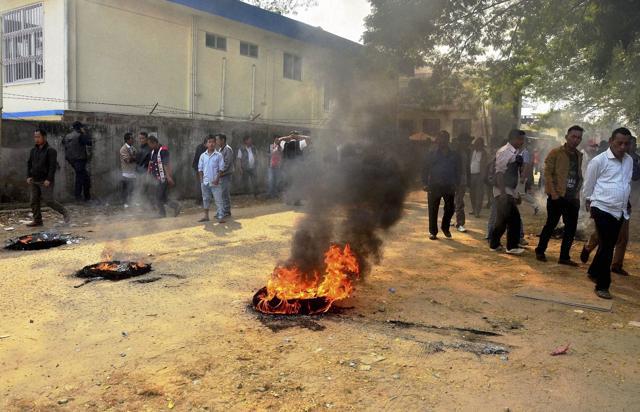
Volunteers were out on the streets from early morning in the state capital Kohima and commercial hub of Dimapur to prevent movement of government vehicles and stop work in offices.
Read: Kohima violence: It was a problem in the making
“Our bandh and protests would continue till the CM steps down. If that doesn’t happen we might be forced to take another course,” KT Vilie, convenor of Nagaland Tribes Action Committee (NTAC), said.
“We are putting volunteers on the streets across the state to stop government vehicles. Government offices have been asked to shut down voluntarily,” Kevichata Sechi, vice-president of Angami Youth Organisation (AYO), said.
Educational institutions, police stations, central government offices, banks, health centres and several other establishments have been exempted from the purview of the bandh.
To prevent the situation from turning violent, police personnel have been placed at strategic locations.
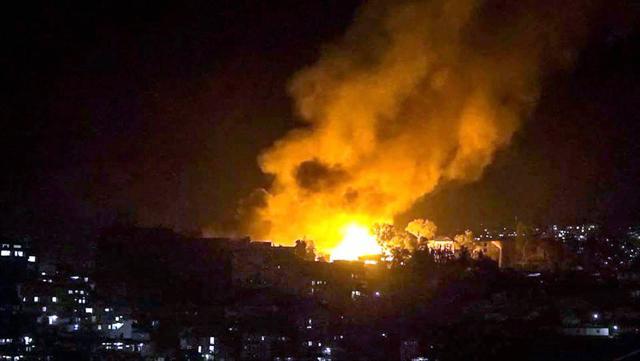
Two people were killed in police firing in Dimapur on January 31 when hundreds tried to enter the CM’s private residence. Two days later over 20 government buildings were burnt down in Kohima by protesters.
Read: Naga women hurt by opposition to reservation, but determined to get rights
“Since the situation is volatile, we want to exercise restraint so that there is no further damage to government property and loss of lives,” Nagaland police DGP LL Doungel told Hindustan Times.
On Sunday, the state government called for a consultative meet with all tribal organisations on February 8 to “discuss the various problems and issues arising out of the ULB elections”.
A Christian-majority state, tribal bodies play a very important role in Naga society where many traditional and customary rules are still followed.
It was opposition from the tribal bodies which forced Zeliang’s government to sign a deal with Joint Coordination Committee (JCC) on January 30 to postpone urban local body polls scheduled to be held on February 1 by two months.
The JCC, the umbrella body of tribal organisation, has been spearheading the agitation against women’s reservation in elections.
But a Gauhati high court order on January 31, asking the Naga Peoples’ Front-led government to go ahead with the polls made the state government hold elections in 12 of the 32 urban local bodies as scheduled.
Women have never been active in Naga political sphere. The state has never elected a woman MLA since it gained statehood in 1963. The lone woman MP from the state was late Rano M Shaiza, who got elected in 1977.
Threats of excommunication and social boycott if they took part in polls with a reservation for women had forced 140 candidates to withdraw and no one had filed nominations in 10 municipal bodies.
The violence has now forced the government to declare elections held in the 12 local bodies null and void.



