E-Paper



NGO calls for tourist boycott of Kaziranga based on BBC film, Assam unperturbed
Survival International, a global NGO for tribal people’s rights, has written to 131 tour operators in 10 countries urging them to boycott Kaziranga after a BBC documentary made it look like park authorities were following a “shoot at sight” order to protect rhinos, endangering innocent people too.

 Prefer HTon Google


The largest habitat of endangered one-horned rhinos in the world, Kaziranga National Park, is the biggest draw among both domestic and foreign tourists coming to Assam.
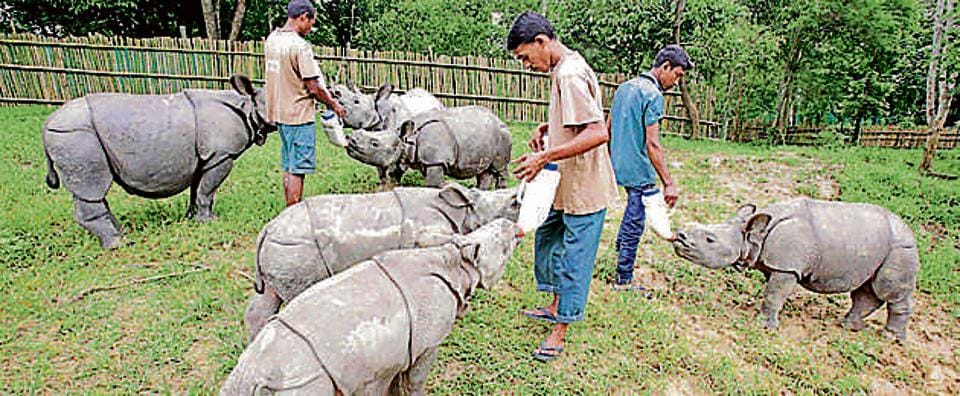
Therefore any call for a tourist boycott of the park should be something the worries the state government, given its aim to attract more visitors. But Assam’s BJP-led coalition isn’t perturbed by the appeal to tourists to stay away from Kaziranga.
Survival International, a global NGO for ‘tribal people’s rights’, wrote to 131 tour operators in 10 countries last week urging them to boycott Kaziranga “till the park stops shooting people on sight”.
The call came following a BBC documentary ‘Killing for Conservation’ aired last month, which tried to portray that forest guards in the park had been given license to kill people who appear to be a threat to wildlife.
Incidentally, the National Tiger Conservation Authority (NTCA) had asked the environment ministry last week to ban BBC from filming in forest areas of India for five years for “breach of trust” and “portraying of conservation efforts in India in extremely negative light”.
The NTCA had also requested the ministry of external affairs not to renew the visa of Justin Rowlatt, BBC’s south Asia correspondent who had filmed the documentary on Kaziranga.
“Our job is to protect rhinos, which are our pride, and we will continue doing that by taking hard decisions, if needed. We are not concerned about tourists,” Assam’s forest minister Pramila Rani Brahma told Hindustan Times.
She pointed out the boycott call won’t have much impact as most visitors to Kaziranga are domestic tourists, who are unlikely to be “swayed” by the BBC documentary or the appeal by Survival International.
“If we are able to do our job and increase the number of rhinos by tackling poachers, tourists would definitely come to Kaziranga,” said Brahma while blaming BBC for coming to Kaziranga for filming with a “negative intention”.
The latest BBC documentary comes after another one on the park in late 2016. Survival International had found faults in the earlier one for not highlighting that guards in Kaziranga are “motivated to kill people on sight”.
The national park, which is home to over 2400 rhinos, attracts many foreign tourists each year. Last year Britain’s Prince William and Princess Kate had also paid a highly-publicised visit.
Contrary to speculations in local media that Survival International’s appeal would impact the number of tourists, resorts near the park feel the boycott call won’t affect business much.
“It’s unlikely to impact business considerably. Foreigners comprise only around 30% of our total clients and they too are likely to take their own decisions rather than agreeing to an appeal by an NGO or tour operators,” said Prashanta Sarma, general manager of Iora-The Retreat.
Read | Rhino carcass with horn removed found in Kaziranga, second death this year
Wildlife experts and nature lovers in Assam have also questioned the motive behind the BBC documentary. Some even termed it a pre-planned propaganda carried out with mala-fide intention.
“Gun battles between protection force and well-armed poachers occur often and sometimes they result in casualties. Poachers are gunned down even in rhino parks of Africa. Why did Survival International select just Kaziranga for this propaganda?” questioned Bibhab Talukar of Guwahati-based Aaranyak.
The exorbitant price for rhino horns in the international market makes Kaziranga a target for poachers. Between 2005 and 2015, 127 rhinos were killed by poachers. Sixty seven poachers had been killed in anti-poaching activities during the same period.