
 E-Paper



Nifty 50: The unstoppable India story
The rise and rise of India as a global economic powerhouse is reflected in some simple yet powerful numbers – including the Nifty

 Prefer HTon Google


When the Nifty 50, India’s favourite stock market index pushed past the 20,000 mark on 11 September – it would close a few points below – it was more than a numerical record achieved by the flagship index of the capital markets. It was the first time the benchmark index of the National Stock Exchange (NSE), had crossed 20,000, enough cause for celebration. On Wednesday, September 13, the index closed above 20,000 for the first time in its history.
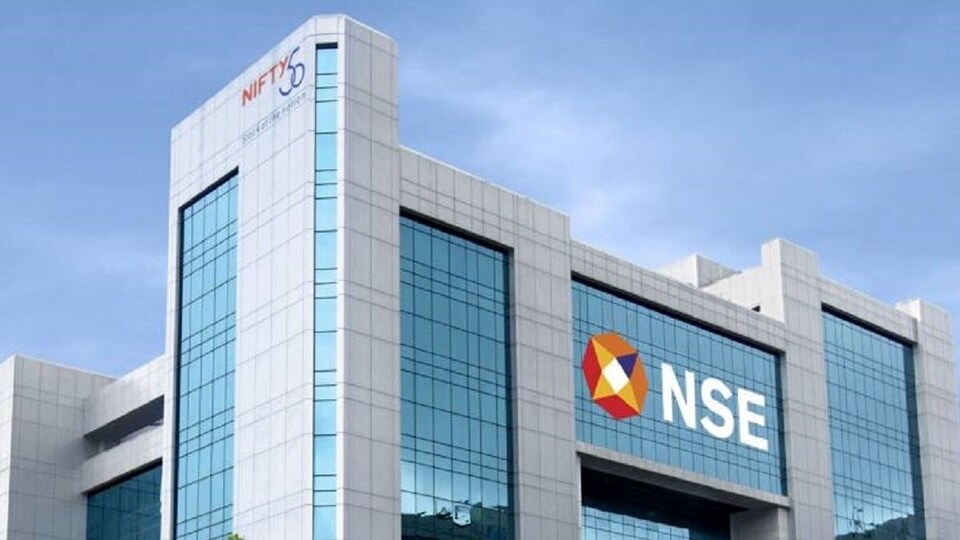
Read here: Nifty closes above 20,000-mark for first time, Sensex ends day at 67,467
The rise and rise of India as a global economic powerhouse is reflected in some simple yet powerful numbers – including the Nifty. Consider Nifty’s progress over the last 27 years. The benchmark index was launched in November 1995 with a base value of 1,000. It took almost 22 years to reach the 10,000 mark, but the index started to gallop post-2017, taking just over six years to add another 10,000 points.
This narrative is even more compelling if one were to account for the fact that this period encompasses a post-pandemic downturn in economies around the world.
India, however, weathered the storm and while many economies continue to struggle, its robust economic growth is expected to continue well into the next decade.

Nifty has created tremendous value for investors. The National Stock Exchange itself was created in 1992, to democratise the country’s equity markets, taking screen-based trading to every corner of India. NSE initiated landmark regulatory reforms that protected the interests of investors and, over the years, launched myriad products. It also took the capital markets to the “real Indian”, allowing people in every corner of the country to participate in the country’s growth and development, while ensuring their financial well-being.
Nifty’s progress is also testament to the trust Indian and foreign investors place in India’s capital markets and its orderly, regulatory and legal system, reposing their faith in a marketplace that is fair, efficient, transparent, low-cost, always available and better than the best in the world.
While NSE has pushed for high quality corporate governance for listed companies and sought to make retail investors aware of equity markets and the equity culture, the Indian investor too has matured, demonstrating patience and a strong understanding of the financial markets. Here are some very encouraging numbers: More than 75 million direct unique PAN numbers with investors are now registered with NSE, suggesting that 50 million households now directly invest a portion of their savings in the equity market via NSE. For a country that once distrusted stock markets, that’s a significant achievement.
Nifty is composed of the 50 top-performing stocks on NSE. Aptly dubbed the “stock of the nation”, the index is considered extremely robust and indicative of the pulse of the Indian economy. The India story is perhaps best summarised in the following snapshot of the Nifty’s composition. Here are the top five sectors with the highest weightage among the 14 sectors represented in the index: Financial Services, Information Technology, Oil Gas & Consumable Fuels, Fast Moving Consumer Goods, and Automobile and Auto Components. But it’s also an index that has kept pace with the changing face of Indian business: only 12 of the 50 current constituents of the index (on March 31) are old-times that were there when the index was conceived.
With the Indian equity market witnessing multiple structural reforms during the past decade, Nifty 50’s composition also has undergone several alterations reflecting the true dynamics of the Indian economy and financial markets – thus accomplishing its purpose of being the resilient benchmark for not just equity markets, but even the economy.
Read here: Nifty hits all-time high, opens at 20,075; Sensex up 300 points at 67,427
It doesn’t require fancy number crunching to know that ours is a consumer-driven economy. For instance, one of the central drivers of the economic development of an emerging economy is a healthy financial services sector, one that facilitates the development of a robust and resilient financial system that provides equity and credit facilities, which in turn accelerates the growth of the nation.
It is no surprise that the financial services sector has the highest weightage in the Nifty, growing from around 20% in 1995, to around 38% in June 2023. No prizes for guessing that Information Technology comes in second. While it had no presence in the Nifty in 1995, it is today one of the key drivers of the economy, with its weight in the Nifty increasing to 12.7% in June 2023.
As the world watches, the India story continues to dazzle, a testament to the nation’s indomitable spirit and commitment to a brighter future – one in which every Indian can write their own story. The journey of the last 25 years is a good beginning, we have a long way to go. The Nifty at 20,000 is an early milestone in a long march to the future for a country that is clearly on the move.
(Ashishkumar Chauhan is the MD and CEO of NSE. The views expressed are personal.)


