
 E-Paper



‘Watch dirty films and do nothing’: Niti Aayog member backs J-K Internet ban
Saraswat’s response came on a question on why internet services had been suspended in Jammu and Kashmir when he thought telecom was vital for India’s growth.

 Prefer HTon Google


NITI Aayog member VK Saraswat on Saturday claimed that the suspension of internet services in Jammu and Kashmir since the abrogation of Article 370 more than five months ago did not have a “significant effect” on the economy because it was used to only watch “dirty films”.
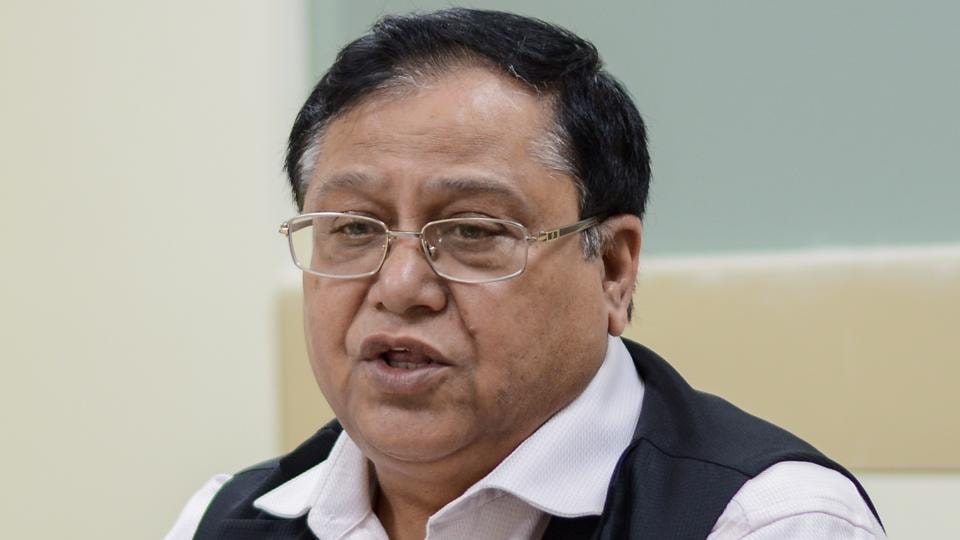
“Why do politicians want to go to Kashmir? They want to re-create the protests happening on the roads of Delhi in Kashmir. They use social media to fuel protests. What difference does it make if there’s no internet in Kashmir? What do you watch on internet there? What e-tailing is happening there? Besides watching dirty films, you do nothing there,” he said according to ANI.
Saraswat was speaking to reporters on the sidelines of the annual convocation at Dhirubhai Ambani Institute of Information and Communication Technology in Gandhinagar, where he was the chief guest.
ALSO WATCH | ‘Never been in favour of bringing Kashmir into UN agenda’: Russian envoy
His response came on a question on why internet services had been suspended in Jammu and Kashmir when he thought telecom was vital for India’s growth.
Internet has been suspended since August 5 last year when the Centre scrapped Article 370 of the Constitution that had conferred special status to Jammu and Kashmir and bifurcated the state into two Union territories. The administration had also imposed a curfew, detained political leaders and banned all communication services.
On Saturday, the Jammu and Kashmir administration restored 2G mobile data serves but that was on;ly conditional for access to a set of 153 “white-listed” websites, in all districts of Jammu division and two districts of Kashmir division – Kupwara and Bandipora.
The administration said mobile internet services will remain suspended in Budgam, Ganderbal, Baramulla, Srinagar, Kulgam, Anantnag, Shopian and Pulwama districts in Kashmir valley. Although broadband services in institutions involved with essential services were restored Tuesday night, social media websites continue to be banned in the region.
Earlier this month, the Supreme Court told the government to review orders suspending internet in Jammu and Kashmir and said such suspension can only be for a limited time period and is subject to judicial review.


