
 E-Paper



Not equal at all: The multiple shades of caste inequality in India
Caste is an important fault line in India, however, there are variations in the socio-economic status of OBCs and caste groups.


Over the past couple of years, one Indian state after another has been on the boil because of caste-based agitations. An analysis of a number of socio-economic indicators suggest that while caste continues to remain an important fault line in India’s economy and polity, there are huge variations in the socio-economic status and clout of different ‘backward’ classes and caste groups.
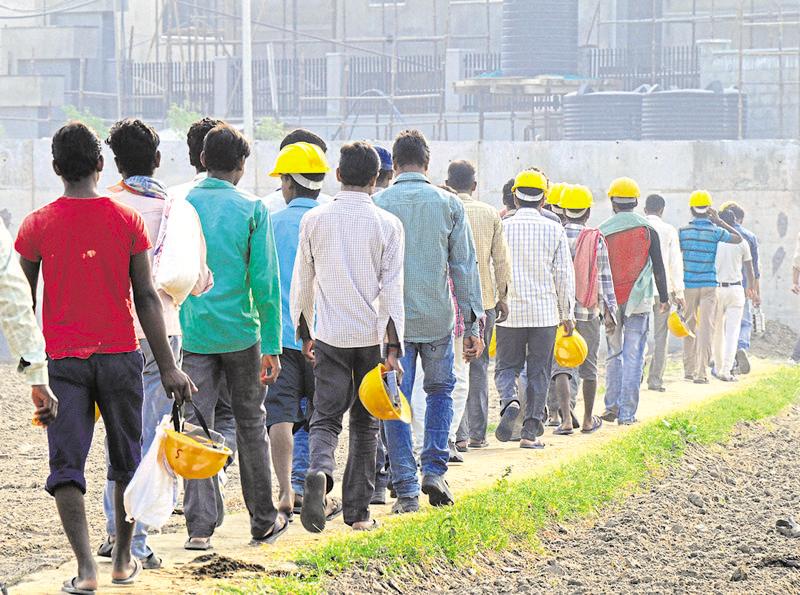
Data from the latest Economic Census shows that while the percentage share of firms and enterprises owned by OBCs is almost proportionate with their share in the total worker population, SCs have the lowest relative share among all social groups.
There is reason to believe that discrimination, in addition to lack of access of capital might also be hindering the entry of Dalits in certain businesses.
Read the full story on Livemint here


