
 E-Paper



Not unconstitutional to appoint deputy chief ministers: Supreme Court
Currently, 14 out of 28 states have deputy CMs, with Andhra Pradesh leading the pack with five deputy CMs

 Prefer HTon Google


New Delhi: The post of deputy chief minister may not be defined under the Constitution but there is no illegality in appointing senior leaders of the ruling party or a coalition of parties as deputy chief ministers, the Supreme Court observed on Monday, dismissing a public interest litigation that demanded the practice be struck down as being unconstitutional.
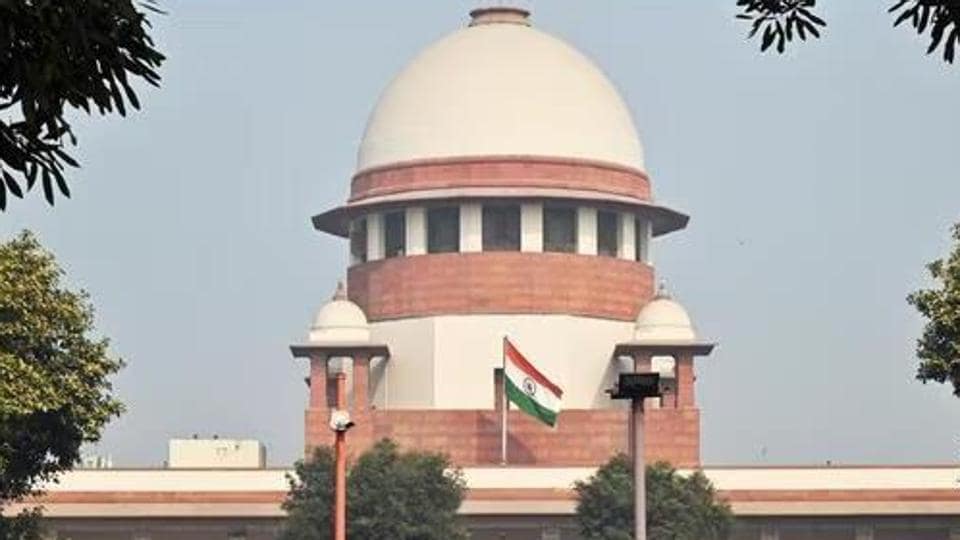
According to a bench, headed by Chief Justice of India Dhananjaya Y Chandrachud, a deputy CM is a legislator and a minister, called as a deputy CM and therefore, no constitutional provisions are contravened by this practice.
“The appointment of deputy chief ministers is a practice followed in some states to give a little more importance to senior leaders in the party or coalition of parties in power...it’s not unconstitutional,” said the bench, which also comprised justices JB Pardiwala and Manoj Misra.
Rejecting the PIL moved by Delhi-based Public Political Party, It added that deputy CMs, under the Constitution, are after all just members of the council of ministers headed by the chief minister.
The petitioner’s lawyer, on his part, argued that states are setting a wrong example by appointing deputy CMs, which he said was done without there being any foundation in the Constitution. The lawyer added that there is no such officer stipulated in the Constitution, adding such appointments also breach the rule of equality in the council of ministers.
But the bench retorted: “A deputy chief minister is first and foremost a minister...The deputy CM doesn’t breach any constitutional provision particularly because someone has to be an MLA. Even if you call someone a deputy CM, it is still a reference to a minister.”
In its brief order, the court stated: “The petition filed underArticle 32 seeks to challenge the appointment of deputy chief minsters in states. The counsel for the petitioner contends that no such office is there as per the Constitution. A deputy CM is first and foremost a minister in the government of the states. The designation of deputy chief minster does not breach the constitutional position that a chief minister must be elected to the legislative assembly. Therefore, this plea lacks substance and is thus dismissed.”
Also Read: Could Preamble have been amended without altering Constitution’s adoption date, SC asks
Article 163(1) of the Constitution lays down that there shall be a council of ministers with the chief minister at the head to aid and advise the governor. Article 164(1) outlines the appointment process, with the CM appointed by the governor, and other ministers appointed by the governor on the advice of the CM.
While there is no specific provision in the Constitution on deputy CM, in practice, a deputy CM is practically recognised as holding an equivalent status to a cabinet minister in the state and enjoys the same pay and perks as a cabinet minister.
Appointing deputy chief ministers has historically represented political compromise in the nation’s politics, particularly following the formation of a coalition government.
Currently, 14 out of 28 states have deputy CMs, with Andhra Pradesh leading the pack with five deputy CMs. Bihar, Chhattisgarh, Madhya Pradesh, Maharashtra, Meghalaya, Nagaland, Rajasthan and Uttar Pradesh have two deputy CMs each.



