E-Paper



ICMR eyes research on resistance to antibiotics
Data of close to 200 patients will be analysed during the course of the study.

 Prefer HTon Google


To better treat antibiotic-resistant infections in hospitals, the Indian Council of Medical Research and the Global Antibiotic Research and Development Partnership has launched an observational study in the country, according to people familiar with the matter.
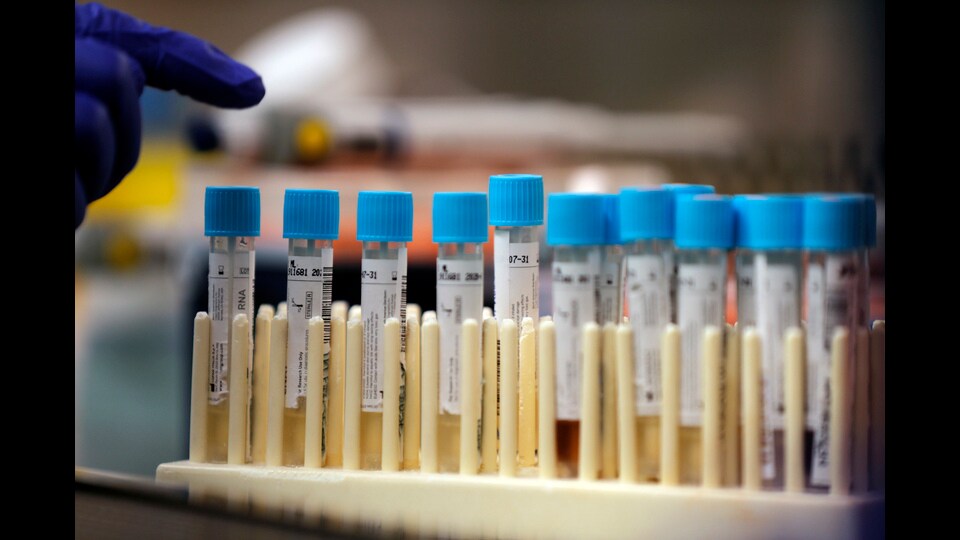
Data of close to 200 patients being treated for infections caused by carbapenem-resistant organisms across six hospitals in the country will be analysed during the course of the study. Carbapenem is a class of antibiotics usually reserved for known or suspected multidrug-resistant bacterial infections.
“We are seeing rising rates of resistance to carbapenems, the class of last-line antibiotics most commonly used to treat hospital-associated multidrug-resistant bacterial infections,” said François Franceschi, project lead for serious bacterial infections at GARDP. “This study is designed to give us some of the answers we need to provide better treatments for people who develop these deadly antibiotic-resistant infections.”
The study is being carried out at the Kasturba Medical College in Manipal, Karnataka, Christian Medical College in Vellore, Tamil Nadu, Tata Medical Centre in Kolkata, P D Hinduja Hospital & Medical Research Centre in Mumbai, Postgraduate Institute of Medical Education and Research in Chandigarh and Sir Ganga Ram Hospital in New Delhi.
The study will look at the distribution, patterns and determinants of health and disease conditions, as well as the treatments administered to both adults and children with severe bacterial infections caused by carbapenem-resistant enterobacterales (CRE) and pseudomonas aeruginosa (CRPA), the global parnership said in a statement.
Infections caused by these bacteria are difficult to treat because they do not respond to commonly used last line antibiotics. Data will also be collected on the clinical outcomes for patients with confirmed CRE and CRPA infections in the six hospitals selected by the study.
These infections have been recognized as critical in the Indian priority pathogen list, which guides research, discovery and development of new antibiotics in India.
“Treating Pseudomonas infections has become significantly more difficult because of antibiotic resistance. Without enough antibiotics in the pipeline to address this challenge and as access to newer drugs is not available in India, the situation appears grim,” said Dr Soumyadip Chatterjee, principal investigator for the study at the department of infectious diseases, Tata Medical Centre, Kolkata.
“More research as well as active involvement of regulators and policymakers is vital,” he said in a statement. “The study will provide crucial information that could ultimately be used to improve treatments and help reduce deaths and illness associated with bacterial infections.”
A 2019 Lancet study highlighted the fact that antimicrobial resistance (AMR) poses a major threat to human health around the world. Nearly 1.3 million deaths in 2019 were attributable to AMR, the study found.
“On the basis of our predictive statistical models, there were an estimated 4·95 million (3·62–6·57) deaths associated with bacterial AMR in 2019, including 1·27 million (95% UI 0·911–1·71) deaths attributable to bacterial AMR,” the Lancet paper said.
The results of the latest study will serve to better prepare hospitals involved in carrying out future interventional trials of novel therapeutics able to combat carbapenem-resistant infections, GARDP said. The observational study is also underway at five hospitals in South Africa.
GARDP is a Swiss not-for-profit organization developing new treatments for drug-resistant infections that pose a grave threat to health. It was established by the World Health Organization and the Drugs for Neglected Diseases initiative in 2016.