
 E-Paper



Odisha brings policy to ensure equal opportunity to transgenders
In June this year, Odisha police allowed transgenders to apply for the post of sub-inspectors while revenue and disaster management department opened its doors to transgenders for the post of revenue inspectors

 Prefer HTon Google


The Odisha government has issued an equal opportunity policy for transgenders which will result in the appointment of a complaint officer for redressal of their grievances within 15 days of lodging a complaint.
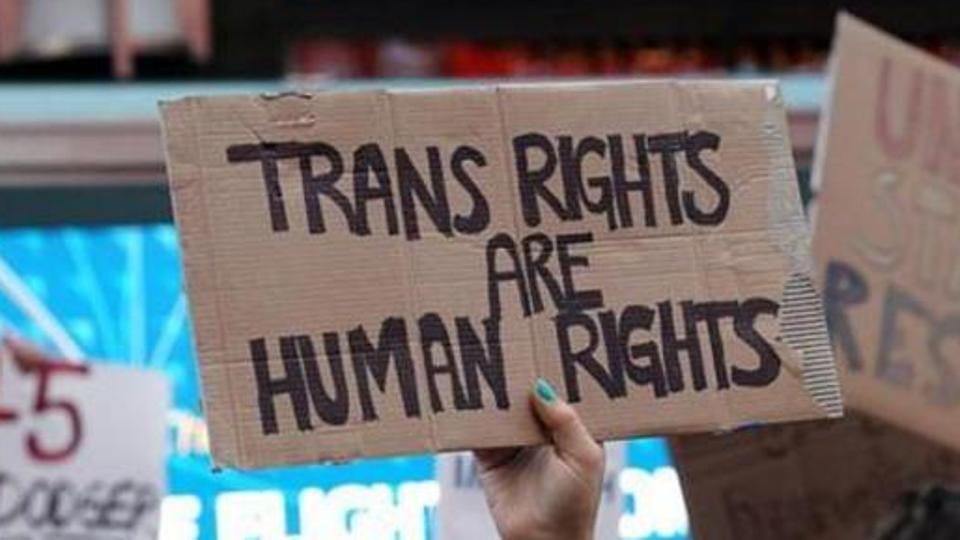
The police issued by department of social security and empowerment of persons with disabilities, the nodal department for transgenders in the state, also mandates the head of department to act on the enquiry report submitted by the complaint officer within 15 days of its submission.
“The policy would strive to ensure that no opportunity is denied to transgender persons merely on ground of sexual orientation. Transgender persons would not be discriminated in terms of any position, training, promotion, transfer posting level. Any employee who violates the policy, or in any manner discriminates with any transgender persons, or harasses them would be dealt with as prescribed in the service rules,” a senior government official said, adding that department will provide equal employment opportunities without any discrimination on the grounds of age, sex, sexual orientation, colour, disability, marital status, nationality, race and religion.
Also Read: Ex-Koraput MP seeks Union Territory status for erstwhile Dandakaranya region
In June this year, Odisha police allowed transgenders to apply for the post of sub-inspectors while revenue and disaster management department opened its doors to transgenders for the post of revenue inspectors. So far 26 transgender persons have applied for the post of sub-inspector in Odisha police while around 20 applied for the post of revenue inspector. Around 40 transgenders are working in urban development department in the state.
According to the Socio Economic and Caste Census (2011) in Odisha, there are 4,316 transgender households in rural areas and 463 transgender persons in urban areas. However, their present numbers would be much higher as they now have the courage to express their transgender identity with the Supreme Court of India granting legal recognition to a person‘s self-identified gender as either male, female or the third gender.
Leading transgender activist Meera Parida said the equal opportunity policy was a welcome step in mainstreaming the transgenders. “For long we have been marginalised. Around 14.5% of the respondents in a statewide online Transgender Survey conducted by a government department in 2017 found that transgenders have no income and were living in poverty. We hope the Odisha would reserve 1% of government jobs for transgenders like Karnataka has done,” said Parida.



