E-Paper



Odisha to deduct maintenance from salaries of govt employees who default: CM
The amount will then be deducted from the salary and transferred electronically to the bank account of the employee’s wife or children

 Prefer HTon Google


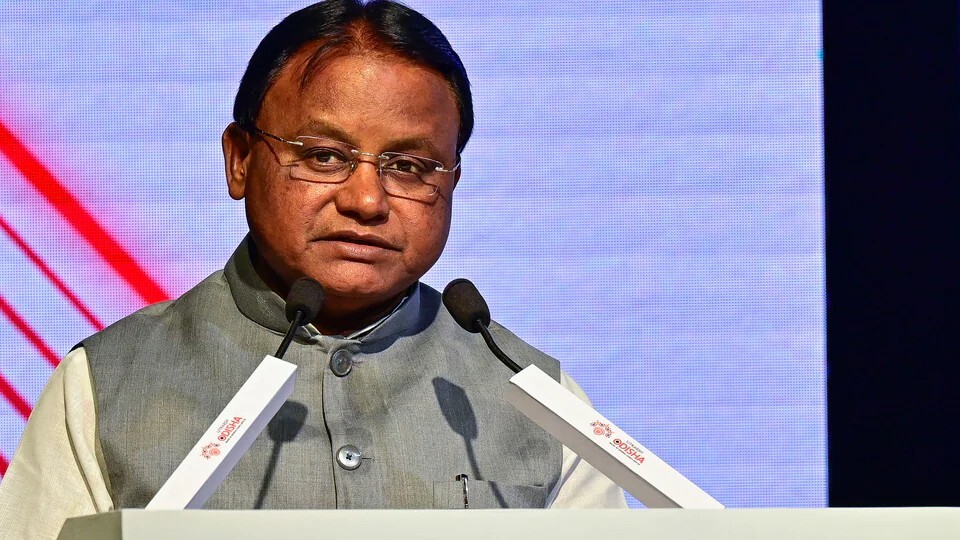
The Mohan Majhi government will directly deduct court-ordered maintenance payments from the salaries of government employees who fail to pay it to their wives or children regularly, chief minister Mohan Charan Majhi said on Sunday.
A press release from CMO said the state government has directed departmental drawing and disbursing officers (DDOs) to deduct the amount specified by family courts from the monthly salaries of employees who default on maintenance or alimony payments and transfer it electronically to the bank accounts of their wives or children.
The decision follows repeated complaints received during the CM’s public grievance hearings, with two to three cases relating to non-payment of maintenance were brought at each hearing.
“There are government employees in the state who are committing contempt of court and, at the same time, doing injustice to their wives and children. This is absolutely unacceptable to the state government,” Majhi said.
Under the new guidelines, when a court orders a government employee to pay maintenance or alimony, the departmental drawing and disbursing officer will factor the court-ordered amount into the employee’s monthly salary bill.
The amount will then be deducted from the salary and transferred electronically to the bank account of the employee’s wife or children. CMO officials said the government aims to ensure that maintenance reaches the intended beneficiaries directly and that government employees cannot easily evade their obligations.
During CM grievance cell hearings, there were several such complaints of some government employees failing to comply with court orders. The CM directed that the court-ordered maintenance provisions be integrated into Odisha’s Human Resource Management System (HRMS), the automated system for managing government employees.
The integration is expected to make the process more systematic and reduce delays in implementing court orders, the CMO said. “The system would not only improve compliance with court orders but also help reduce the financial hardship faced by women and children whose maintenance payments have been withheld,” it said.
The CMO said the new mechanism would ensure that court-ordered payments are made without requiring the affected women or children to repeatedly pursue the defaulting employee.