
 E-Paper



Odisha tusker that killed 4 people dies
The tusker had strayed from a herd from Keonjhar district before it went on a rampage in Danagadi area of Jajpur as agitated villagers tried to drive it away lighting torches and bursting firecrackers.


A 14-year-old elephant, which had killed four people in Odisha’s Jajpur district in January, on Monday succumbed to its wounds it had sustained while trying to break free from its chains.
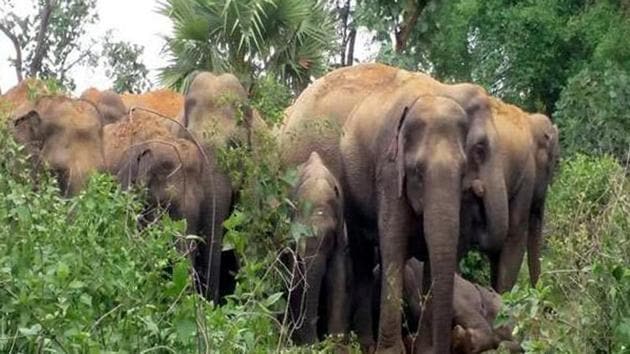
The tusker had strayed from a herd from Keonjhar district before it went on a rampage in Danagadi area of Jajpur as agitated villagers tried to drive it away lighting torches and bursting firecrackers.
At least 10 other villagers were also injured in the stampede as the elephant rampaged through.
The elephant was tranquillised and brought to the Chandaka elephant sanctuary on the outskirts of Bhubaneswar on January 29.
Wildlife officials said after the elephant was tranquillised, it was taken in a truck to a forest in Cuttack district for release. However, the move was opposed by local villagers.
Later, the officials had to shift the elephant to Mahavinayak Nature Camp in Chandikhole of Jajpur district. They met with resistance from locals there as well.
It was then brought to Godibari area in Chandaka sanctuary on January 31, but as it became more aggressive it was shifted to Kumarkhanti area of Chandaka sanctuary and kept in iron chains.
“While trying to break free, it had sustained a deep wound on the leg, which got infected,” said a forest official.
A veterinary doctor of the Odisha University of Agriculture Technology, who treated the elephant, said the animal probably died of septicaemia.
Wildlife conservationists said the elephant could have been saved if it had been released to a forest on time.
“The iron chains caused infection leading to wounds in the legs of the elephant,” Biswajit Mohanty of Wildlife Society of Odisha said.
In 2006, a tusker that had killed two people in Puri district and later kept in chains had died of similar injuries.


