
 E-Paper



Over 50 companies from West Bengal bought electoral bonds worth ₹1600 cr: Report
The biggest contribution came from Keventer Group, which bought electoral bonds worth around ₹600 crore.


More than 50 companies from West Bengal bought electoral bonds worth ₹1,600 crore, an analysis of the electoral bond data showed, reported The Times of India.
Of the ₹1,600 funds, the biggest contribution came from Keventer Group –around ₹600 crore – through firms such as Madanlal Limited, MKJ Enterprises and Keventers Food Park.
Keventer Group was followed by RP Sanjiv Goenka Group which contributed close to ₹500 crore through companies Haldia Energy, Dhariwal Infrastructure and Philips Carbon Black, according to the newspaper.
Besides them, several other well-known industrial groups from the state also contributed to political parties. These include ITC, Rungta Group, Rashmi Group, Ambuja, Shyam Steel, IFB Group, Ripley, Shree Cement, Dhunseri Group, Utkarsh Group, Star Cement, WPIL, Tega Industries, Acropolis Maintenance, SKP Merchants and Austin Plywoods.
Also Read | What does Electoral Bond data published by the ECI tell us?
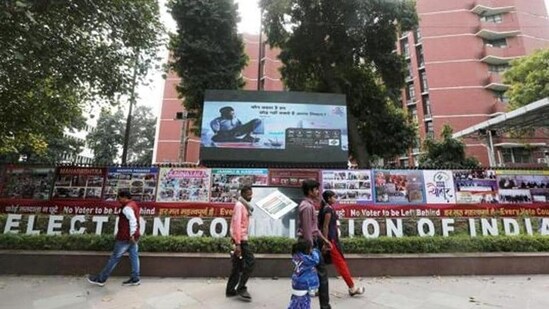
On March 14, the Election Commission of India (ECI) uploaded the electoral bonds data a day before the deadline set by the Supreme Court in the high-profile case.
Last month, in a landmark verdict delivered, a five-judge Constitution bench scrapped the Centre's electoral bonds scheme that allowed anonymous political funding, calling it "unconstitutional". It also ordered the State Bank of India (SBI) to disclose details on donors, the amount donated by them and the recipients.
Also Read | Data on electoral bonds gives Opposition some ammunition ahead of Lok Sabha elections
The data showed that around 1,260 companies and individuals bought 22,217 bonds worth ₹12,155.51 crore between April 12, 2019 and February 15, 2024. In this period, 20,421 bonds worth ₹12,769.09 crore were redeemed by 23 political parties, with the BJP leading the pack with a war chest of ₹6,061 crore (47.5% of total redeemed value), followed by the Trinamool Congress (TMC) with ₹1,610 crore (12.6%) and Congress with ₹1,422 crore (11.1%).
A number of opposition parties including TMC have criticised the BJP over the issue of electoral bonds. Former Congress president Rahul Gandhi dubbed the scheme as “the world’s largest extortion racket led by Prime Minister Modi”.
West Bengal industry minister Shashi Panja said that his party “followed all rules” and alleged that the BJP indulged in quid pro quo.


